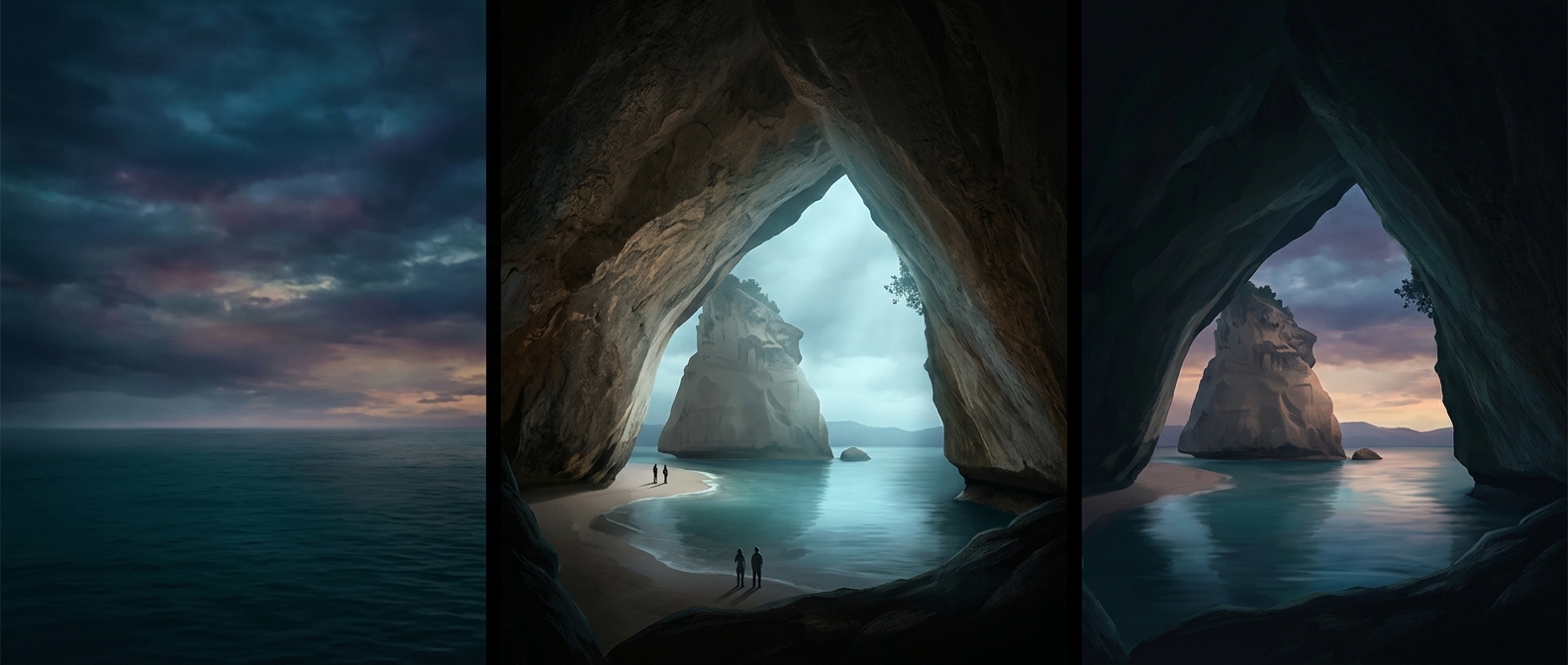
How a coastal cave becomes an arch
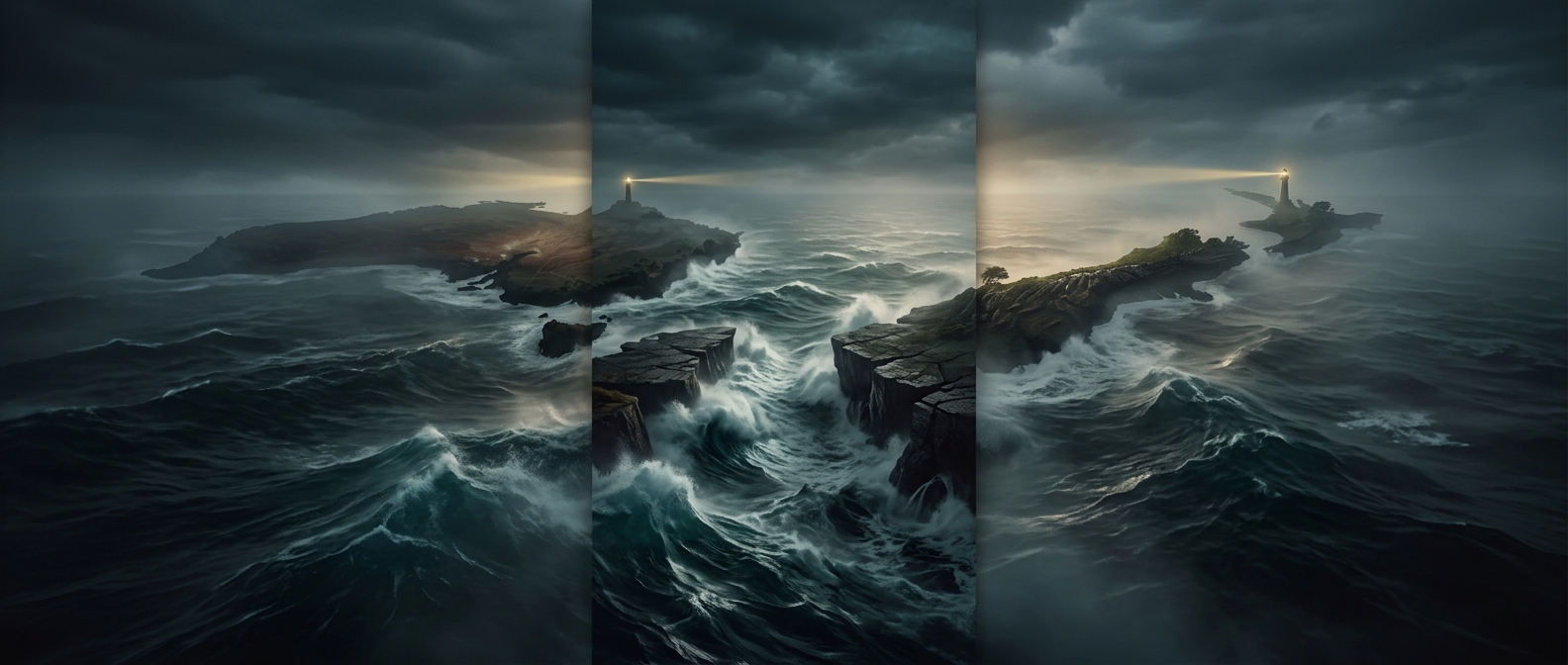
The arch at Cathedral Cove is the end result of erosion concentrated in one weak part of a rocky headland. Waves repeatedly force water and air into small cracks. Sand and stones carried by the surf scrape the rock, gradually widening those openings into a cave. Once erosion reaches through the narrow strip of rock separating the two sides, the cave becomes an arch.
The process is slow, but it is not evenly spread across the coast. Existing fractures give water an easier route into the rock, so they can grow faster than the surrounding surface. Each wave does a little work; storms can deliver especially forceful blows and push debris against the walls.
A landmark still being reshaped
The opening makes a passage between the beaches, but it also leaves a natural bridge exposed to the same forces that created it. Waves continue to wear at the base, while weather weakens the rock above. Over time, an arch may widen and eventually collapse, leaving a stack or isolated rocks offshore.
That long, uneven erosion is part of what makes the cove distinctive: the beaches sit on either side of a passage carved through the headland, rather than being joined by a built walkway. The arch is not a finished monument, but a snapshot of a coastline still changing.