A wartime gun platform became a claimed country
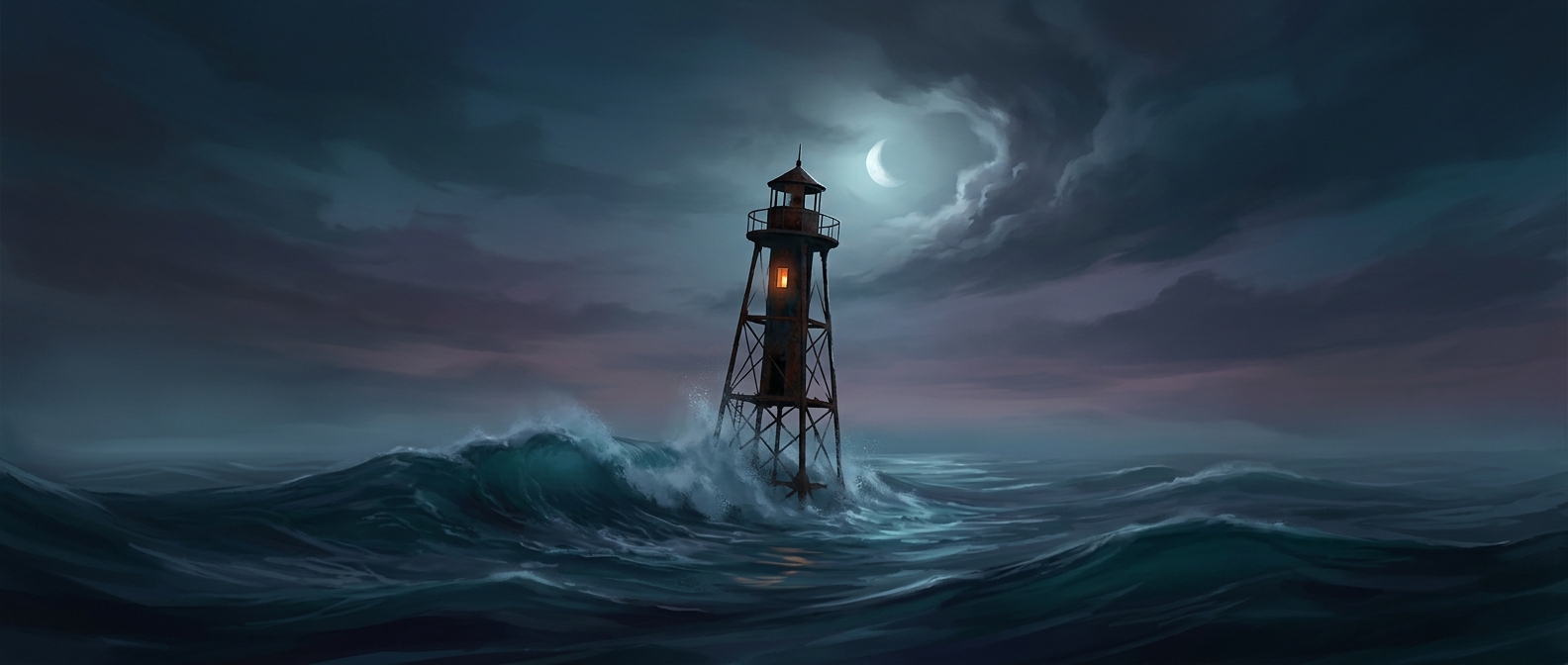
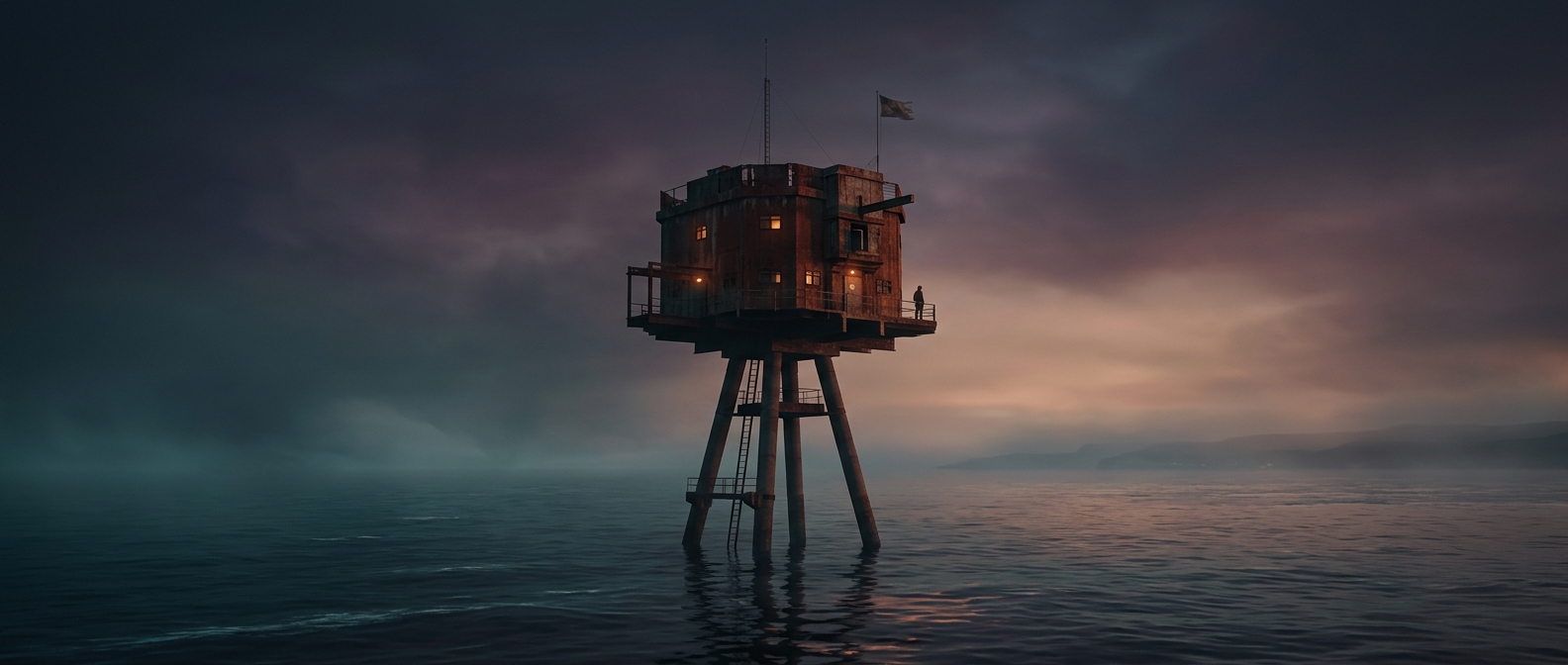
Roughs Tower was built during World War II as part of Britain’s coastal defenses. The structure stands on two tall steel-and-concrete legs sunk into the seabed, with a platform above the water for troops and weapons. Its offshore position let it help guard approaches to the Thames estuary; after the war, the fort was left unused.
In 1967, pirate-radio broadcaster Roy Bates occupied the abandoned tower and proclaimed it the independent state of Sealand. The move turned an isolated military outpost into a lasting sovereignty claim: a declaration that the territory governs itself rather than belonging to Britain.
A platform is not the same as a recognized state
Sealand issues documents and currency, but those symbols do not by themselves make a country. Broad international recognition matters because it allows other governments to treat a claimant as a sovereign state in diplomacy and law. Sealand has not gained that recognition.
The fort’s position offshore helped make the claim possible, but the legal setting changed. Britain later extended its territorial waters, bringing the tower within them. That leaves Sealand’s unusual status far short of the settled independence its name suggests.
What makes the place memorable is the scale of the transformation: a compact wartime installation, designed to defend a coastline, became the physical center of a self-declared nation.