Why a crowded room can disrupt Wi-Fi
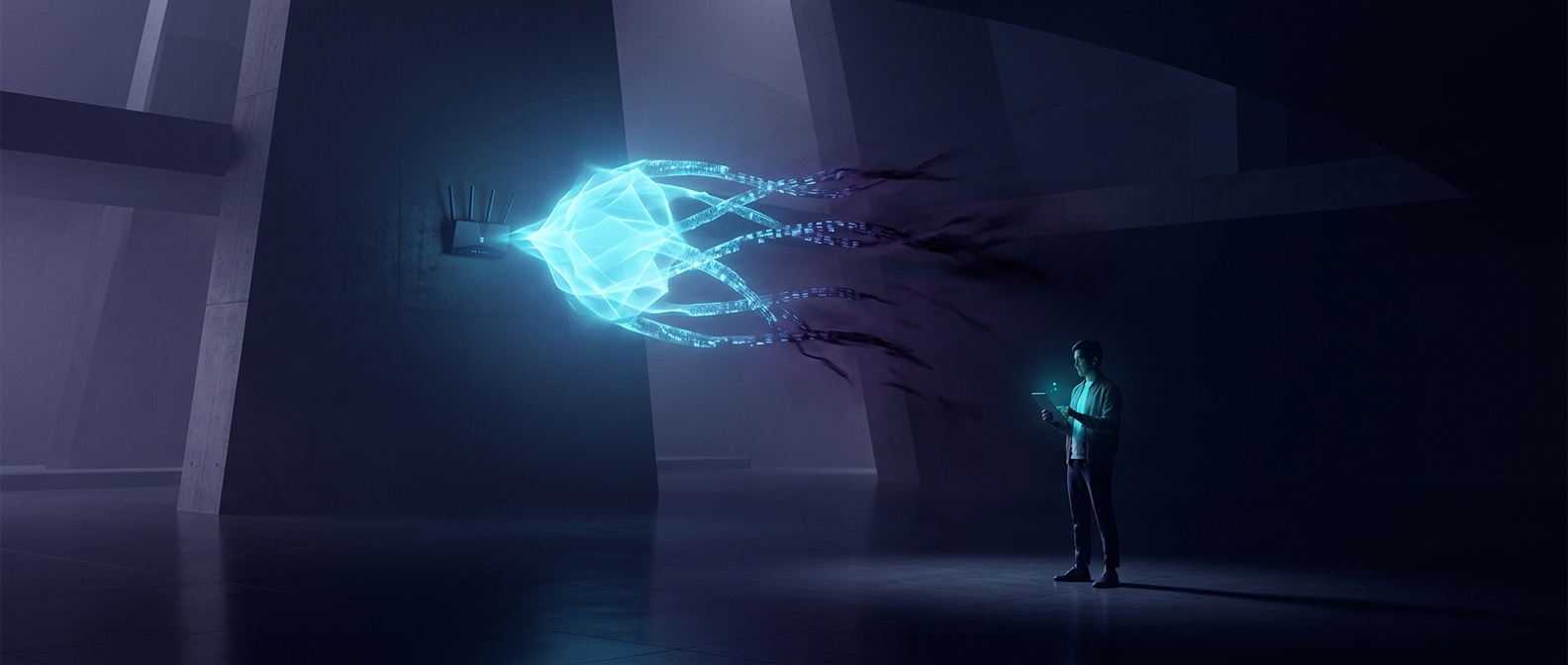
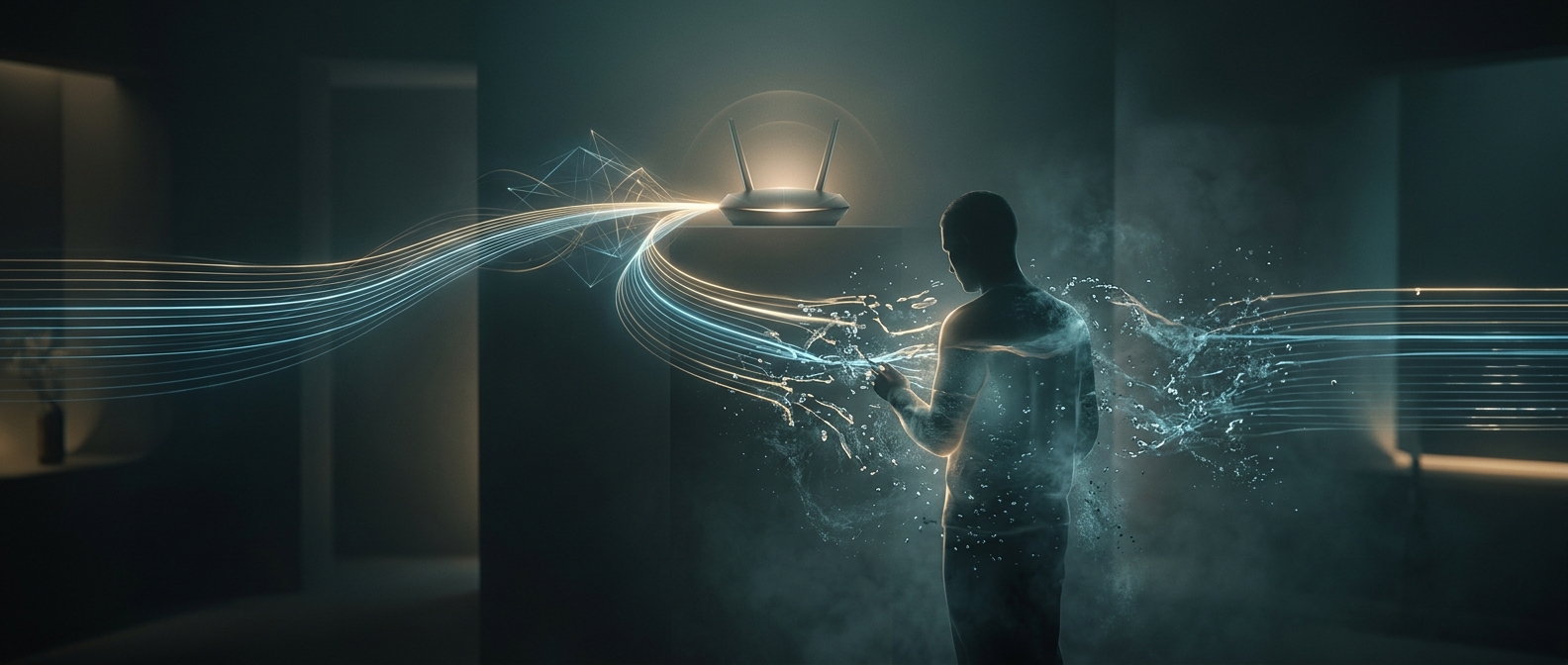
Wi-Fi is a radio signal: the router sends electromagnetic waves through the air, and your device listens for them. At 2.4 gigahertz, water absorbs some of that energy. Because the human body is largely water, a person standing in the path of a signal can take up a small part of it rather than letting it reach the receiver.
That loss matters most when the signal is already weak. A wall, distance, or interference may have left a device with little margin; several people between it and the router can further reduce the signal that arrives. The result may be a slower connection or a brief drop—not because people generate radio noise, but because their bodies obstruct and absorb part of the wave.
The effect depends on where people stand
Wi-Fi does not travel only in a straight line. Signals can reflect off surfaces and reach a device by multiple paths, so moving a person may change which paths remain available. A packed room can therefore make reception less reliable in some spots while leaving other locations nearly unchanged.
The practical clue is to check the route between router and device. Raising the router, moving it into a more open position, or placing it closer to the devices can reduce how much the signal must pass through people and other obstacles. In a busy room, even shifting a laptop a few feet may put it on a clearer path.