The indoor problem: one transmission, many arrivals
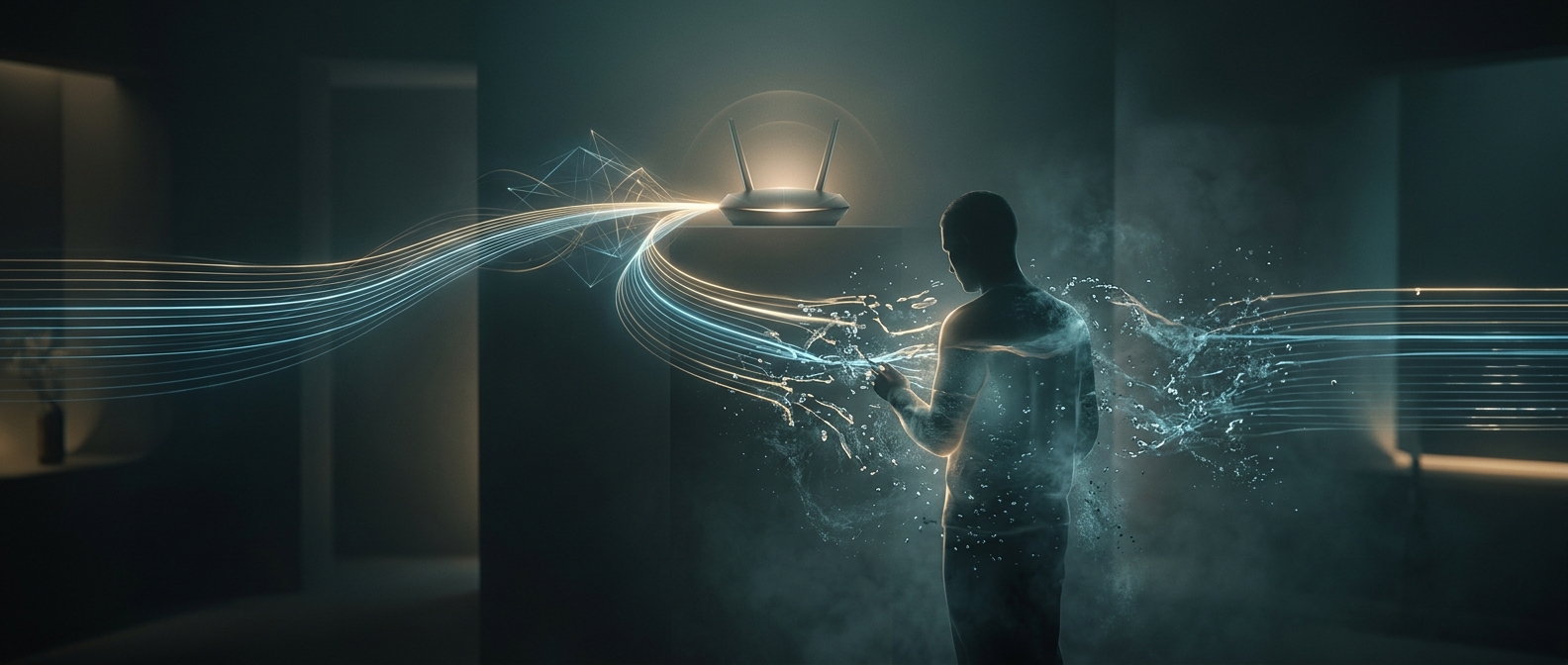
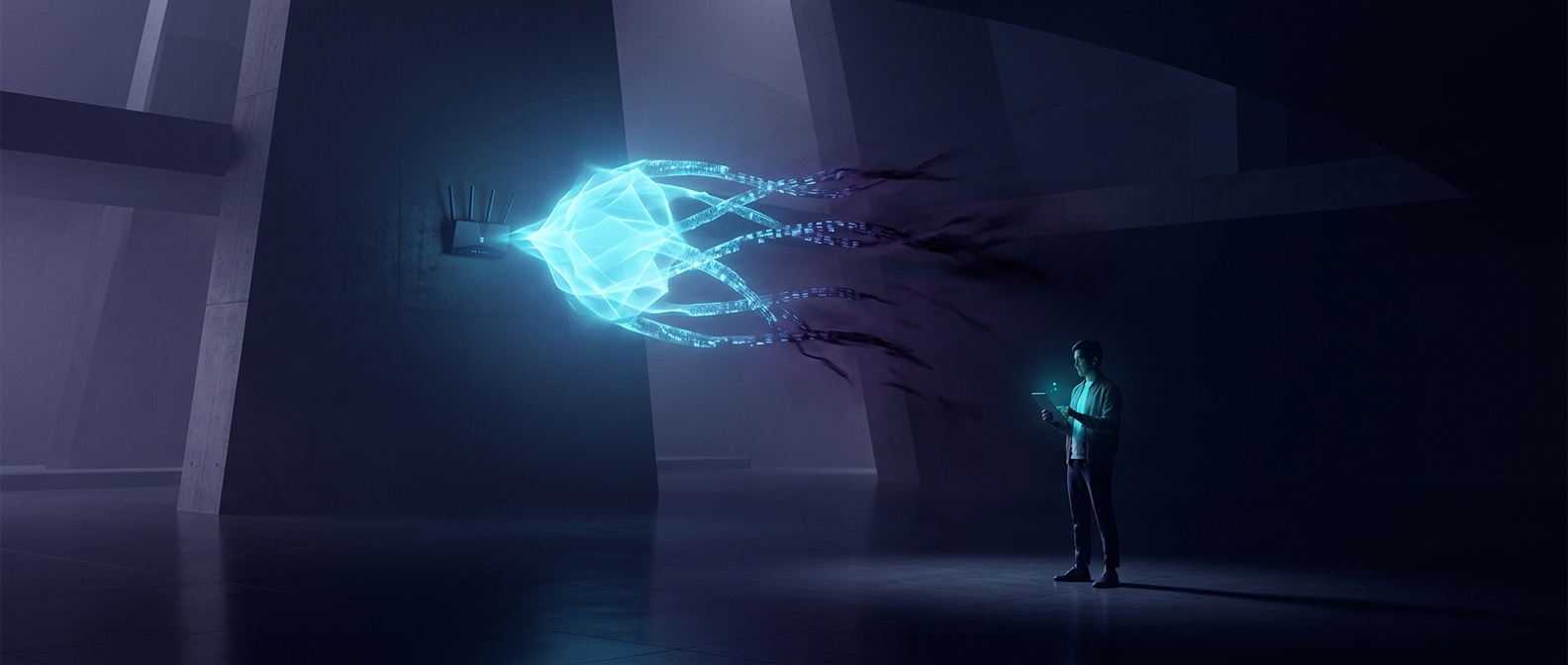
A radio signal inside a room rarely travels only from router to device. It also bounces off walls, floors, furniture, and people. The receiver may therefore get several copies of the same transmission, each arriving a little later than the others. Those echoes can overlap and make the original data difficult to read—a form of interference called multipath.
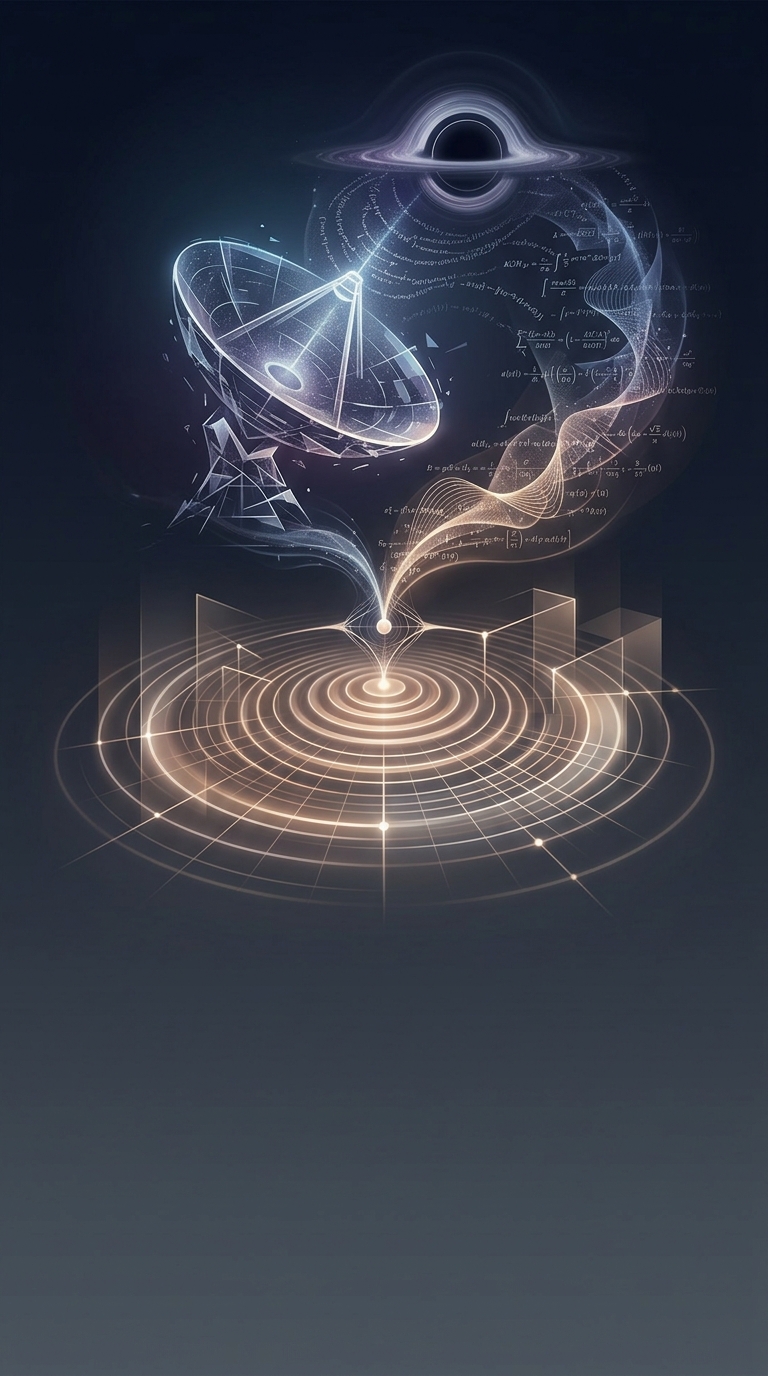
Radio astronomers face a related challenge: they must extract faint, meaningful patterns from radio signals altered by their journey through space and by noise in the measuring equipment. CSIRO researchers’ experience processing such signals helped them think about how to recover information from a crowded, distorted radio channel.
Making echoes easier to handle
The key was to change how information is packed into the signal. Instead of sending data as one rapid stream, the approach known as orthogonal frequency-division multiplexing, or OFDM, divides it among many closely spaced radio frequencies. Each carries a slower stream of data. Because each piece lasts longer, a short delay between reflected copies is less likely to smear one symbol into the next.
The receiver can then use signal processing to separate and interpret the overlapping arrivals. The echoes have not vanished; the system is designed so their damage is more manageable. That distinction matters in real rooms, where moving a device or opening a door can change which surfaces reflect the signal.
From an astronomy challenge to a household tool
The researchers’ work on detecting signals associated with black holes was not itself a Wi-Fi system. The useful connection was the underlying skill: extracting a desired pattern from radio waves that arrive mixed with noise or distortion. Applying that way of thinking to indoor reflections helped produce technology that made wireless networking more reliable in difficult environments.
The surprising link is practical rather than cosmic: a method refined for listening to the universe helped computers cope with the radio echoes created by an ordinary living room.