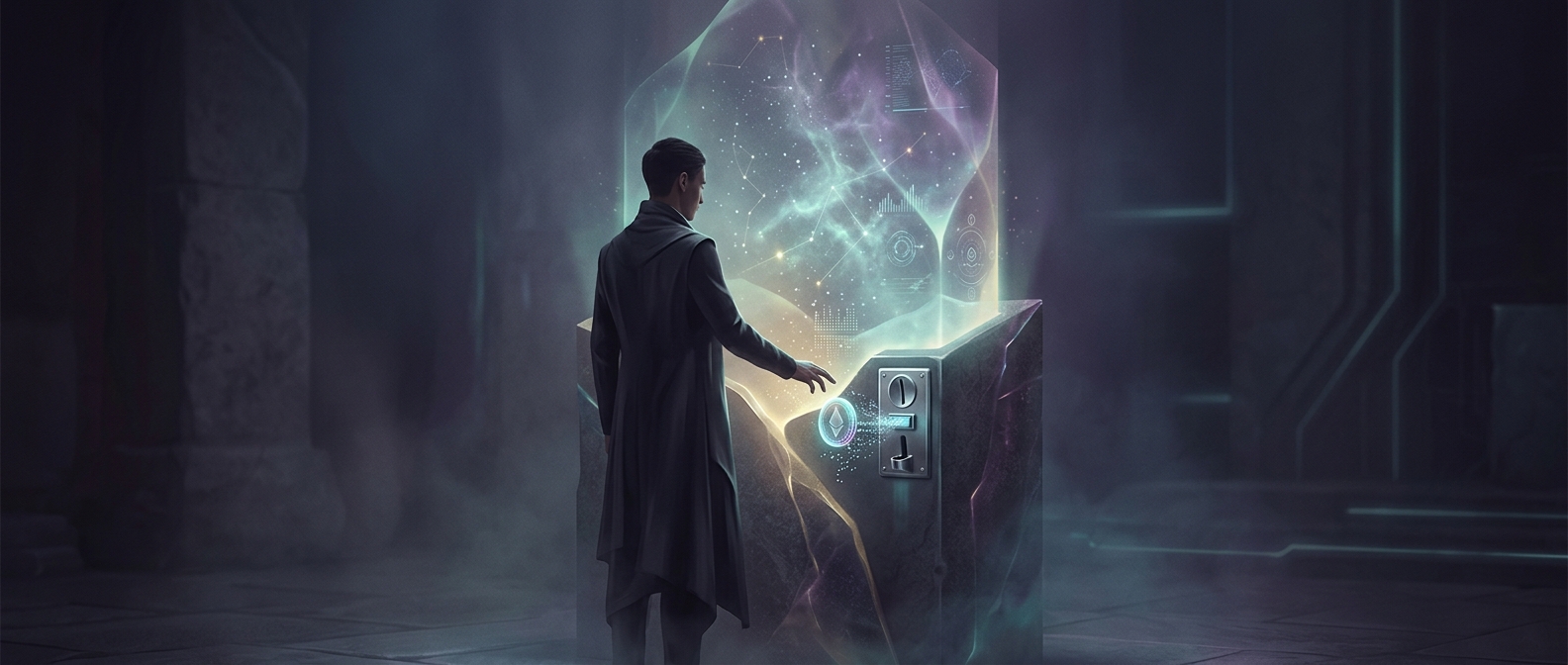
How a chatbot becomes an oracle
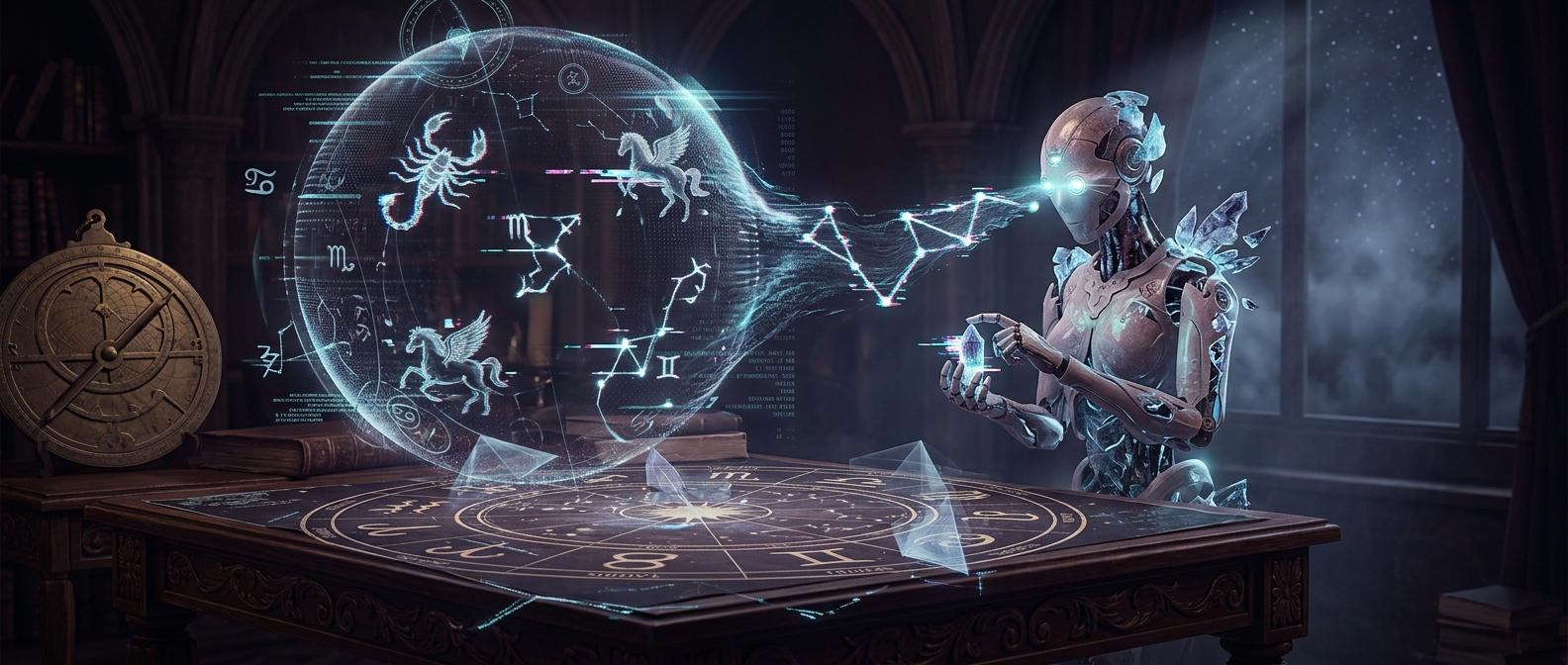
A mystical chatbot does not need to see the future to produce a reading that feels personal. It generates text by predicting what words are likely to follow a prompt, drawing on patterns learned from large collections of writing. If it has been shaped to use the language of astrology, tarot, or spiritual guidance, it can answer in that style—often with confident, intimate-sounding detail.
That fluency can make a broad statement feel tailored. A reading about uncertainty, relationships, or a coming decision may resonate because it touches concerns many people recognize. The user supplies the question and interprets the answer through their own circumstances; the system supplies a polished narrative in return.
What the subscription buys
Paid services may package that exchange as an ongoing experience: users can return with follow-up questions, receive readings in a consistent persona, or access additional features. The recurring fee is for the service and its presentation, not evidence that the chatbot has supernatural insight. Its answers are generated from language patterns, not from verified access to hidden forces or knowledge of what will happen.
The design also changes the feel of the interaction. Unlike a printed horoscope, a chatbot can respond directly to a user's details and keep the conversation going. That responsiveness can make advice seem unusually attentive—even when the system is producing plausible language rather than understanding a person's life as a human counselor might.
A reading is still a prompt to reflect
People can use such exchanges as entertainment or as a way to put worries into words. The important distinction is between a suggestion that sparks reflection and a prediction reliable enough to guide a consequential choice. A fluent answer can sound certain without being well-founded; the more personal the question, the more useful it is to treat the reading as generated text, not a verdict.