When the Sea Becomes a Sign of Chaos
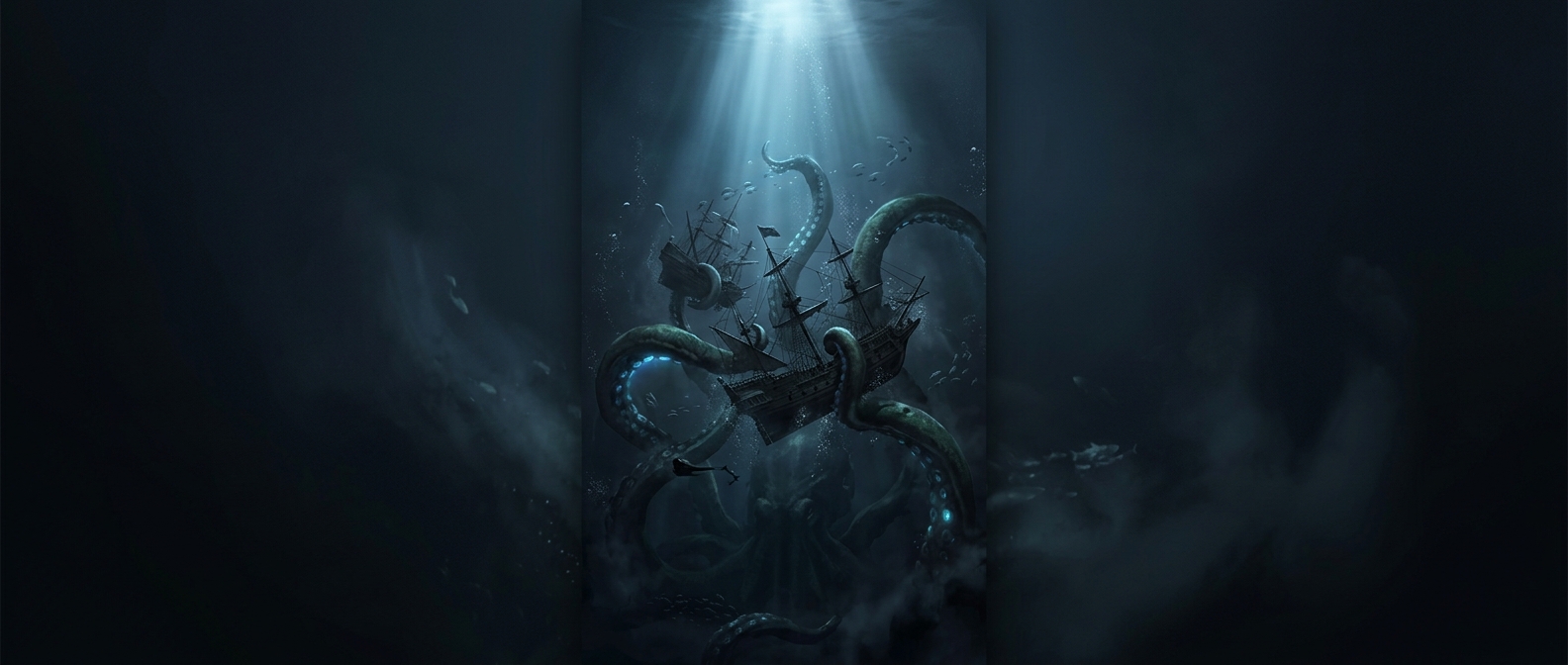
Leviathan is less a zoological creature than a way of imagining power beyond human control. In ancient religious and poetic traditions, the sea could stand for danger: it was vast, difficult to cross, and capable of overwhelming people without warning. A monster living in its depths gave that danger a form.
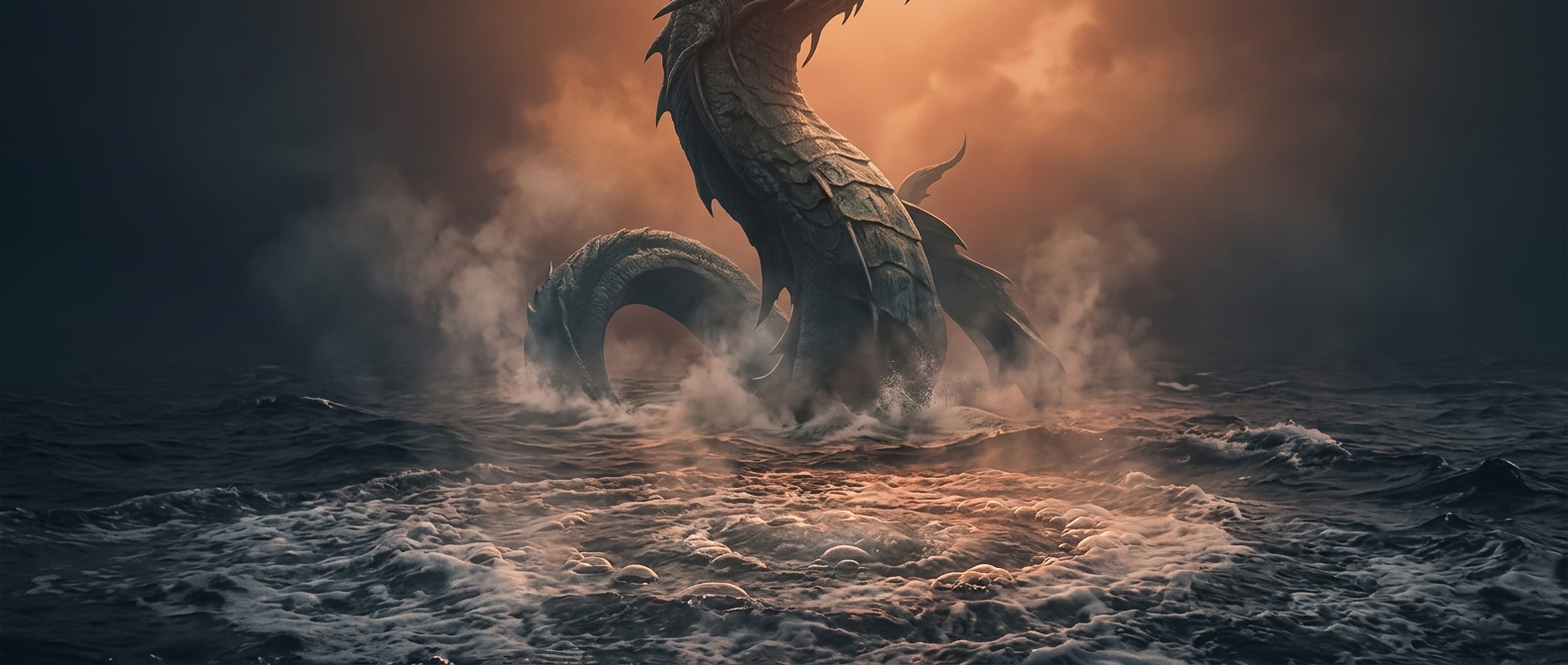
Descriptions of Leviathan vary, but images of scorching heat or boiling water push the creature beyond anything an ordinary animal could do. The sea itself seems to react to its presence. That exaggeration makes the monster feel like a force of disorder, not merely a large predator.
Why Make the Ocean Boil?
Boiling water is a visible sign that familiar limits have broken down. The ocean is usually imagined as a world apart from fire; joining the two makes the scene feel impossible and threatening. The image also turns an invisible danger into something readers can picture: a creature so overwhelming that its surroundings cannot remain unchanged.
That is the point of the scale. Leviathan’s heat is not a claim about a real animal’s biology, but part of a mythic language for confronting powers that people could not command. The monster’s most unsettling effect is not simply that it lives in the sea—it is that the sea itself appears unable to contain it.