A medical career built inside a barred institution
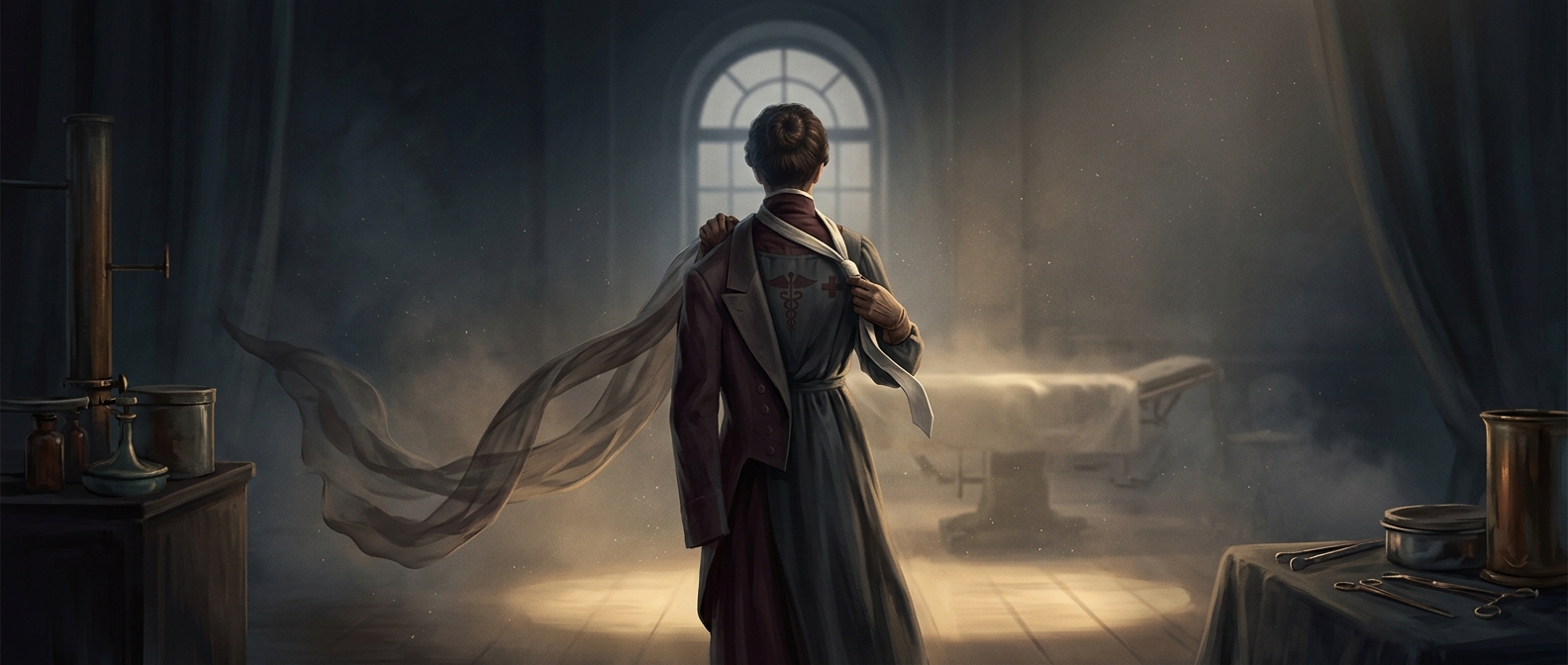
In the British Army of Barry’s era, women were excluded from surgical posts. Barry nevertheless trained and served as an army surgeon for decades, moving through a profession whose authority depended on credentials, rank, and trust. The concealment was not a brief disguise for a single appointment: it shaped an entire public career.
Barry’s work also had consequences beyond the unusual circumstances of that career. In one cesarean operation, both the mother and child survived—a rare outcome in a period when the procedure carried grave dangers. The result mattered on its own terms: a difficult operation succeeded for two patients, regardless of what others later learned about the surgeon.
What discovery could—and could not—change
Barry’s sex assigned at birth became known only after death. That discovery forced people to reinterpret the life they had understood as that of a male army surgeon. It also exposed the barrier that had made the secret necessary: the institution had barred women from the very work Barry had performed.
But the revelation did not retroactively alter the training, judgment, or actions that had made Barry a surgeon. The achievement and the exclusion belong in the same account. Barry’s story is striking not because the discovery erased the career, but because it showed how much professional ability an institution could benefit from while refusing to recognize it openly.