Memory now includes knowing where to look
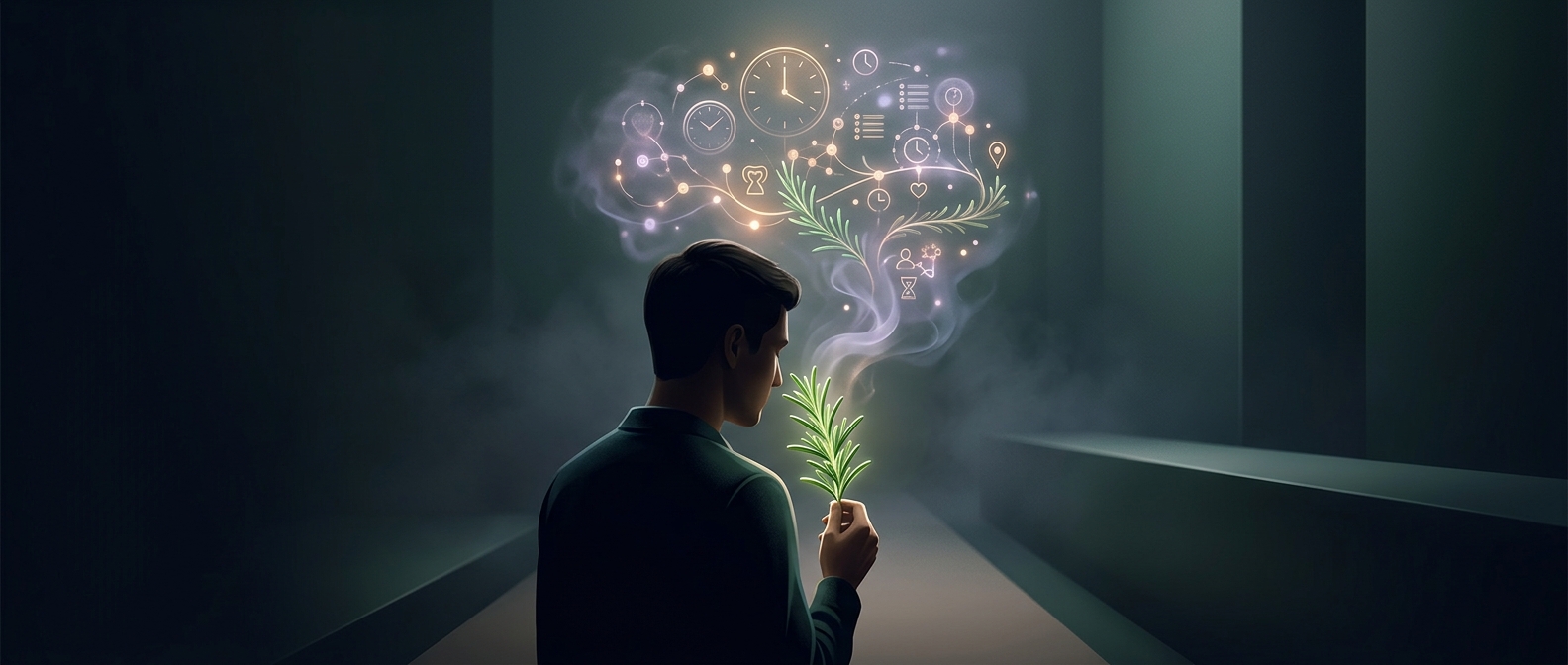
When information is easy to retrieve online, people may be less likely to store every detail in memory. Instead, they often remember the route back to it: which site, search terms, or tool is likely to help. Psychologists call this transactive memory—a system in which people keep track of where knowledge can be found, whether in another person or an external resource.
That shift changes what it is useful to remember. A person may forget an exact definition yet retain the concept well enough to recognize what needs checking and ask a precise question. Search becomes part of the process of recalling, rather than just a reference used afterward.
Offloading details changes what gets encoded
Memory is not a complete recording of experience. It is shaped by attention and by what the mind expects to need again. If a fact seems safely available online, a person may devote less effort to encoding its exact wording. The result can be weaker recall of that detail, even when the person remembers that it exists and knows how to retrieve it.
This is a tradeoff, not a simple erasure. Looking up a fact can save effort and free attention for comparing ideas or solving a problem. But information that is repeatedly retrieved and connected to other knowledge is easier to use without help than information encountered only once. Search supplies access; it does not automatically supply understanding.
The cost appears when access disappears
A remembered search path is useful only if the resource remains available and the person can identify the right question to ask. Without a connection, a saved page, or enough background knowledge to judge the result, knowing that an answer is “somewhere online” may not help. Familiarity with a result can also feel like knowledge even when the details cannot be recalled independently.
The lasting change is therefore less a replacement of memory than a change in how people distribute it: some details stay in the mind, while others are entrusted to tools. The practical test is whether someone can still explain the idea and recognize a bad answer when the search box is no longer there.