When Hunger Becomes a Threat to the Community
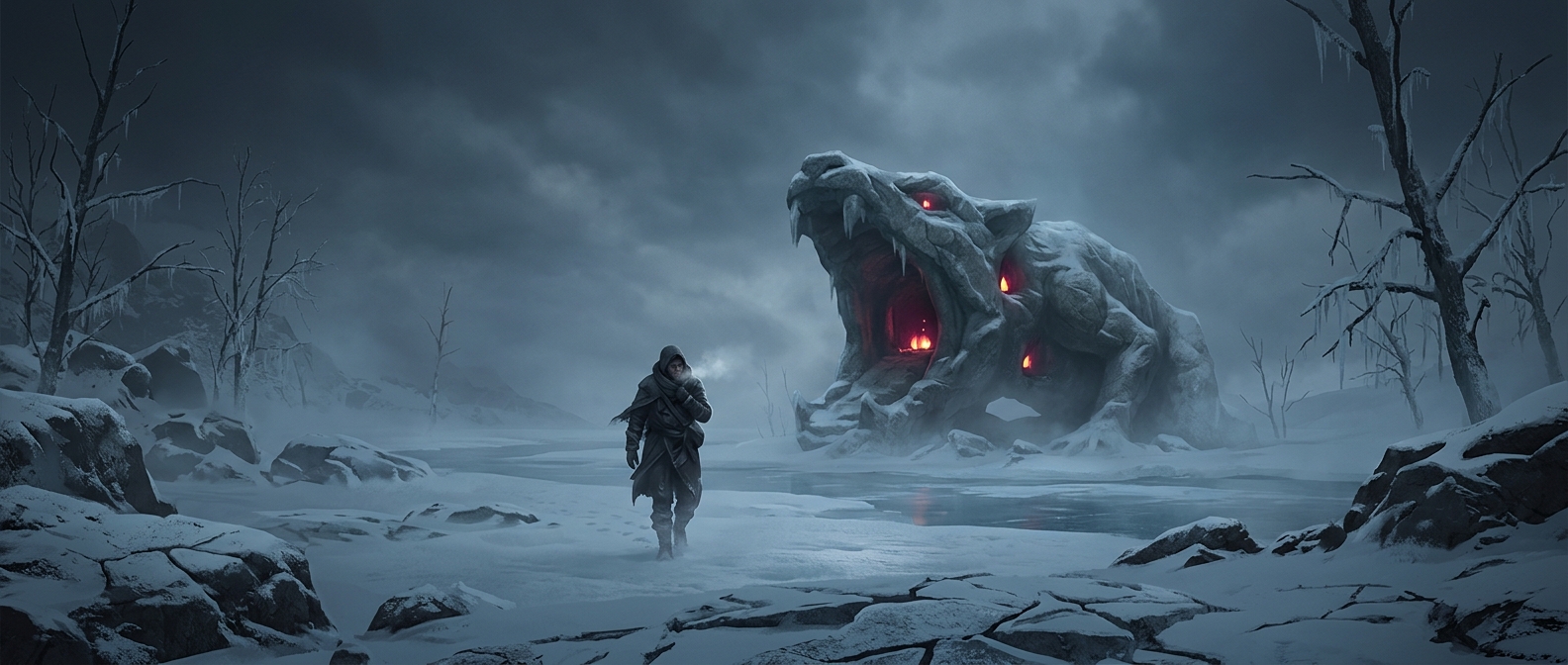
In stories about the wendigo, a winter monster associated with Algonquian-speaking peoples, hunger is more than a physical danger. It marks the point where survival might seem to demand violating a fundamental boundary: eating another person. The legend gives that feared possibility a body, turning a crisis of food and isolation into a story about what desperation can do to someone—and to the people around them.
A Taboo Under Pressure
In a harsh winter, food shortages could make each person’s survival depend on the group’s ability to share, cooperate, and protect one another. Cannibalism threatened that arrangement at its most basic level. The monster therefore represented not simply an empty stomach, but a breakdown of mutual obligation: a person who treats others as food has crossed out of the community’s moral world.
That is why the horror carries a psychological force even without treating the creature as a biological explanation for hunger. Fear of starvation can make a forbidden act feel imaginable; the legend makes the consequences unmistakable by imagining the offender as becoming monstrous. In some tellings, the wendigo is linked not only to consuming human flesh but to an appetite that cannot be satisfied—a warning against a hunger that keeps expanding rather than ending with survival.
More Than a Winter Scare
Wendigo traditions vary, and they belong to distinct Indigenous cultural contexts, not to one universal version of a “cannibal monster.” Their recurring winter imagery makes the danger concrete: when food is scarce and people are isolated, the test is not only whether anyone can endure hunger, but whether the rules that keep everyone human to one another can endure it too.