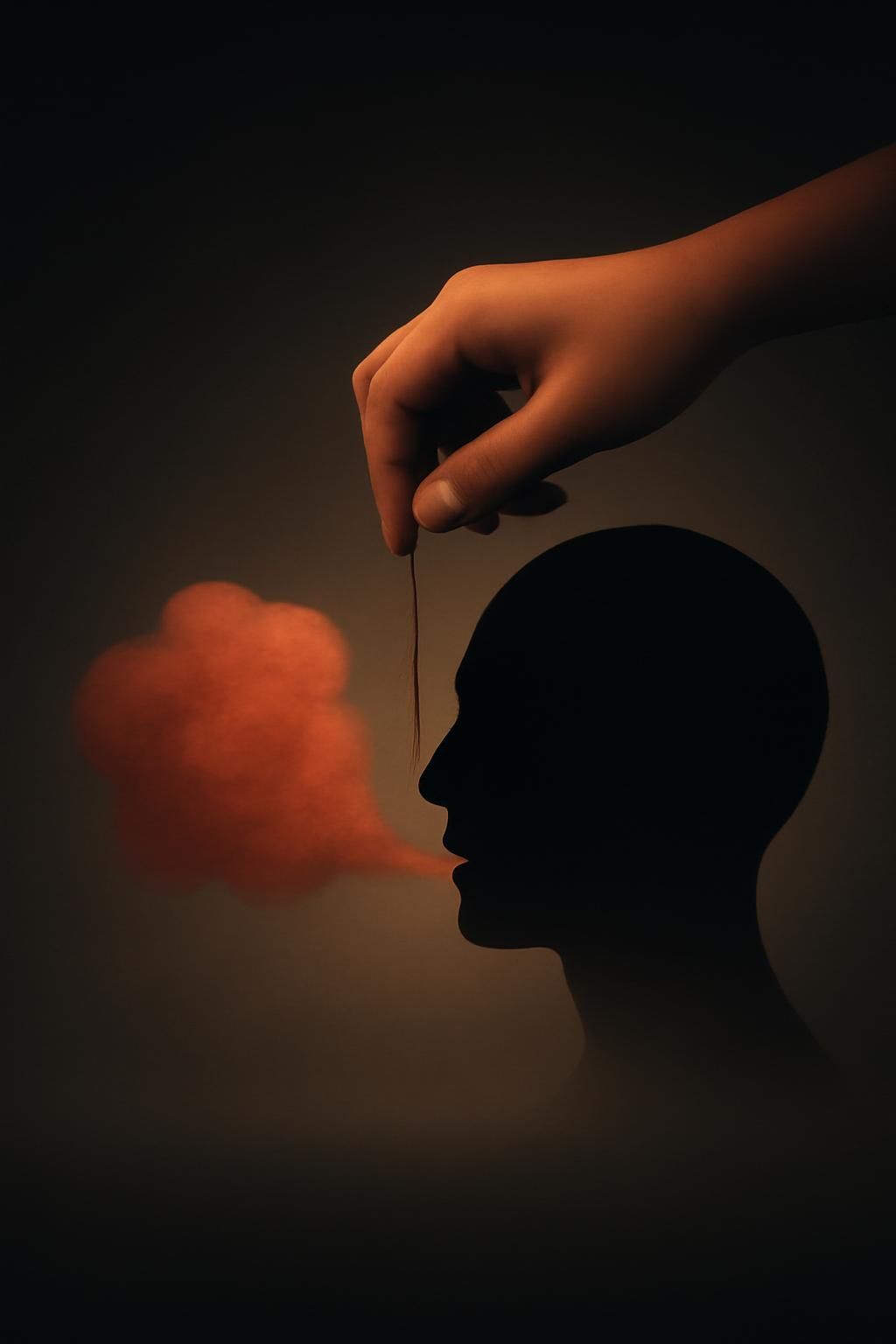
How a Room Teaches You to Hold Back Tears
People learn emotional habits partly by watching what happens when someone shows feeling. A child who sees adults respond to tears with comfort may come to treat crying as a normal way to signal distress. If tears are met with teasing, impatience, or pressure to “keep it together,” the child may learn to hide them instead. No formal lesson is required: repeated reactions make the social cost of showing emotion easier to anticipate.
Psychologists often call these learned expectations display rules—informal ideas about which emotions are acceptable, where, and in front of whom. They differ across communities, but also within them: a family, workplace, or religious setting can have its own rules. Culture is not a script every member follows; it supplies expectations people may adopt, resist, or adjust to the situation.
Why the Same Tears Can Feel Different
A person’s feelings and their judgment about expressing those feelings are not the same thing. Someone may feel grief intensely while also thinking that crying in a meeting would seem unprofessional. That second judgment can bring self-consciousness, prompting the person to suppress tears, leave the room, or wait until they are with someone trusted.
Those choices can reinforce the expectation. If hiding emotion prevents an awkward response, restraint may feel safer next time. If a person is met with understanding, showing emotion may become less risky. The response from others therefore helps shape not only what gets expressed, but what a person expects will happen when it is expressed.
Rules Change With the Audience
Even people who rarely cry in public may cry freely with close friends, while someone comfortable showing sadness may hold it back in a setting where they expect judgment. The useful question is not simply whether a person cries easily, but where they feel safe enough to let it show. A tearful reaction can reflect the emotion itself, the audience, and the learned expectations surrounding both.