Why Venus stays near the Sun in the sky
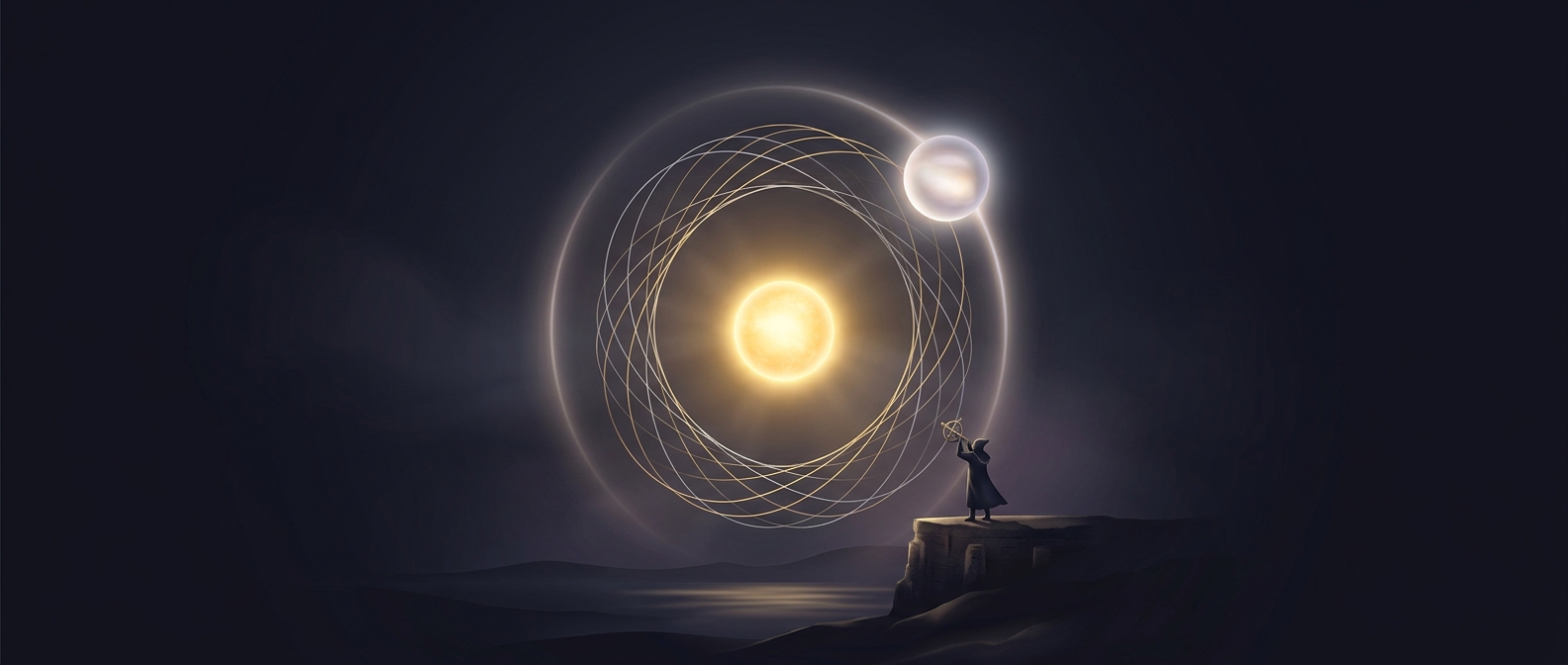
Venus orbits closer to the Sun than Earth does. From our viewpoint, it never appears on the opposite side of the sky from the Sun; instead, it shows up near sunrise or sunset, then fades from view as daylight brightens. This geometry gives astrologers a visual starting point: Venus and the Sun seem to travel together, even though they are separate bodies following separate orbits.
How astrology turns proximity into meaning
In an astrological birth chart, the Sun is commonly used as a symbol of a person’s central identity, while Venus is associated with attraction, affection, pleasure, and taste. When Venus appears close to the Sun in the chart, astrologers interpret those themes as closely woven into a person’s sense of self—potentially shaping what they value or how they express care.
That is a symbolic interpretation, not a conclusion drawn from the planets’ physical influence on personality. The astronomy explains the recurring visual closeness; astrology gives that pattern a meaning within its own system. The striking link is that Venus’s limited distance from the Sun in the sky becomes, in astrology, a way to describe how love and preference may feel personal rather than separate from identity.