A hit played back, not played live
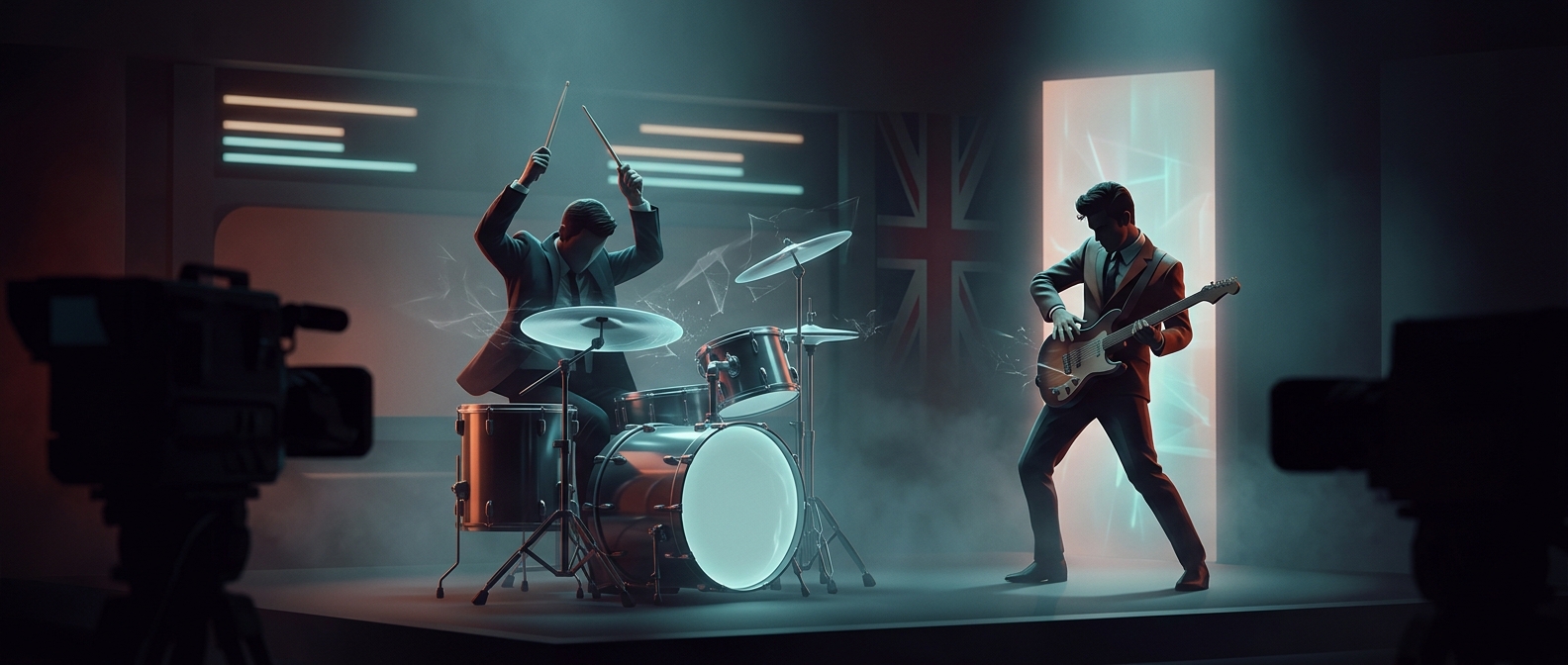
On an early television music show, putting a rock band in front of cameras did not automatically mean broadcasting a live performance. Studio sound was a practical obstacle: drums, guitars, amplifiers, and voices competing in one room were difficult to balance cleanly. Union rules also shaped what the production could do, making a live band performance harder to arrange.
The workaround was to play the song recording while the musicians acted out the performance. The singer matched their mouth movements to the vocal; the band mimed playing along. The audience heard a controlled recording rather than the instruments being mixed live in the studio.
Sound became part of the staging
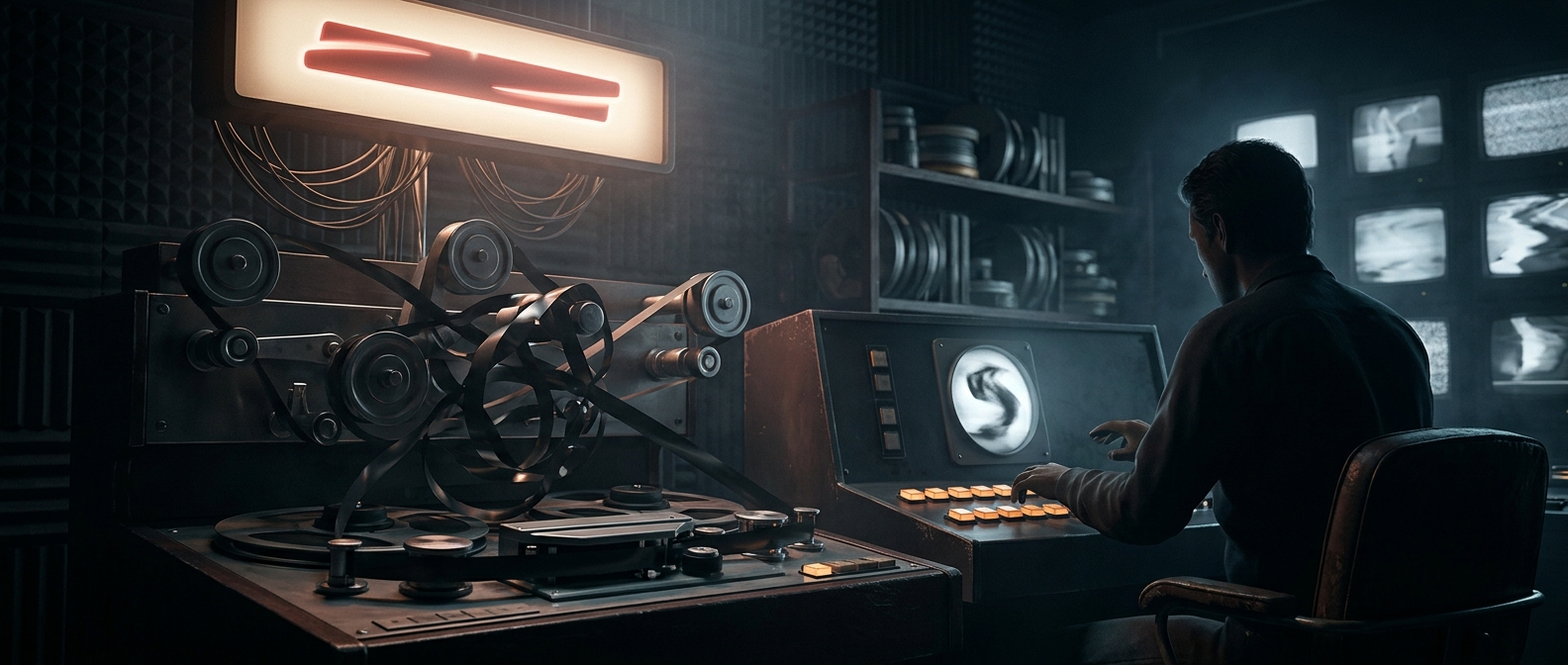
This changed what viewers were watching. The musicians still supplied the recognizable faces, gestures, and attitude of a performance, but the sound had already been captured and balanced elsewhere. Television producers could present a polished version of a hit without solving the harder problem of making a full rock group sound clear in the room.
Miming was therefore not simply a shortcut for performers. It was a production compromise between the demands of a music broadcast and the limits of the studio and its rules. The result helped turn a song’s television appearance into a visual performance built around a recording: the band could look as if it were playing live, while the sound stayed fixed on the version listeners already knew.