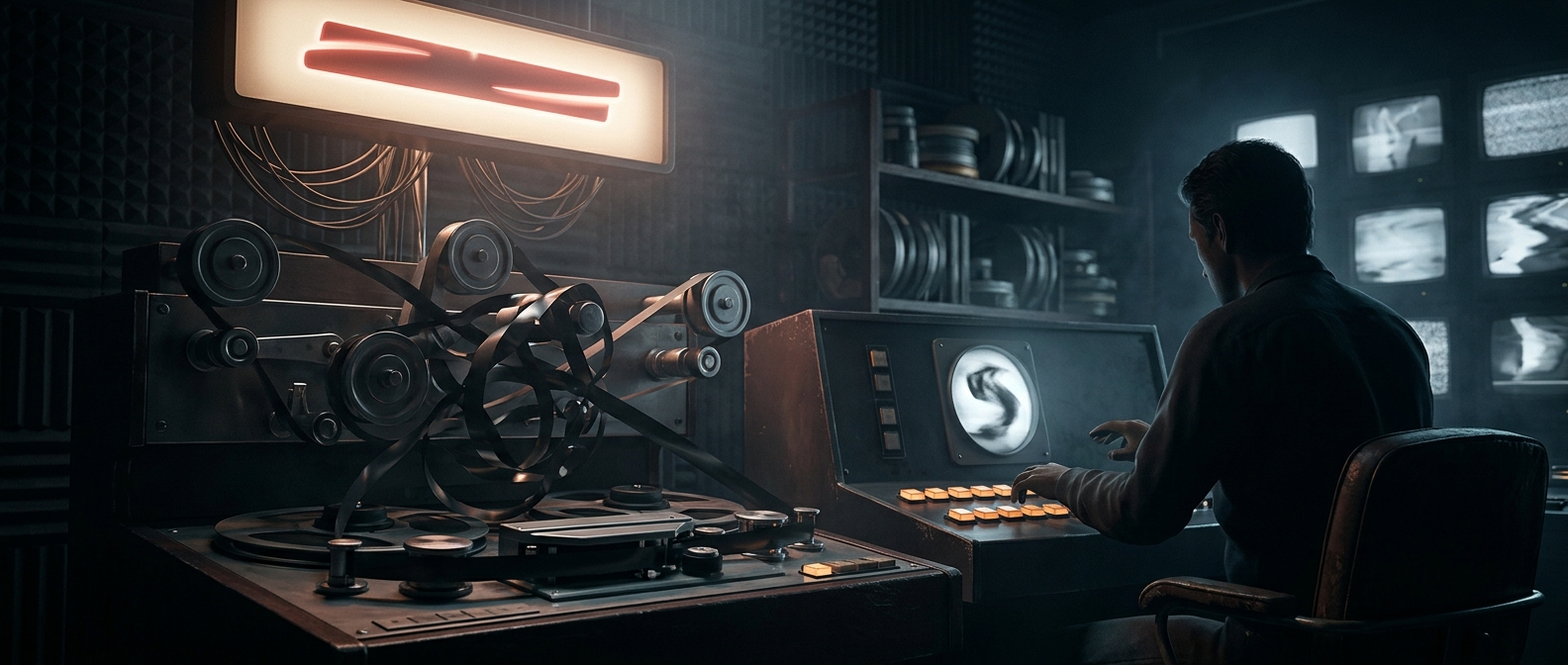
The broadcast holds a moment in reserve
A “live” program does not always go straight from a camera or microphone to a viewer’s screen. For some broadcasts, the signal passes through a short delay system before it goes out over the air. That system temporarily holds the audio—and, depending on the setup, the video—so the program is a few seconds behind the action in the studio or onstage.
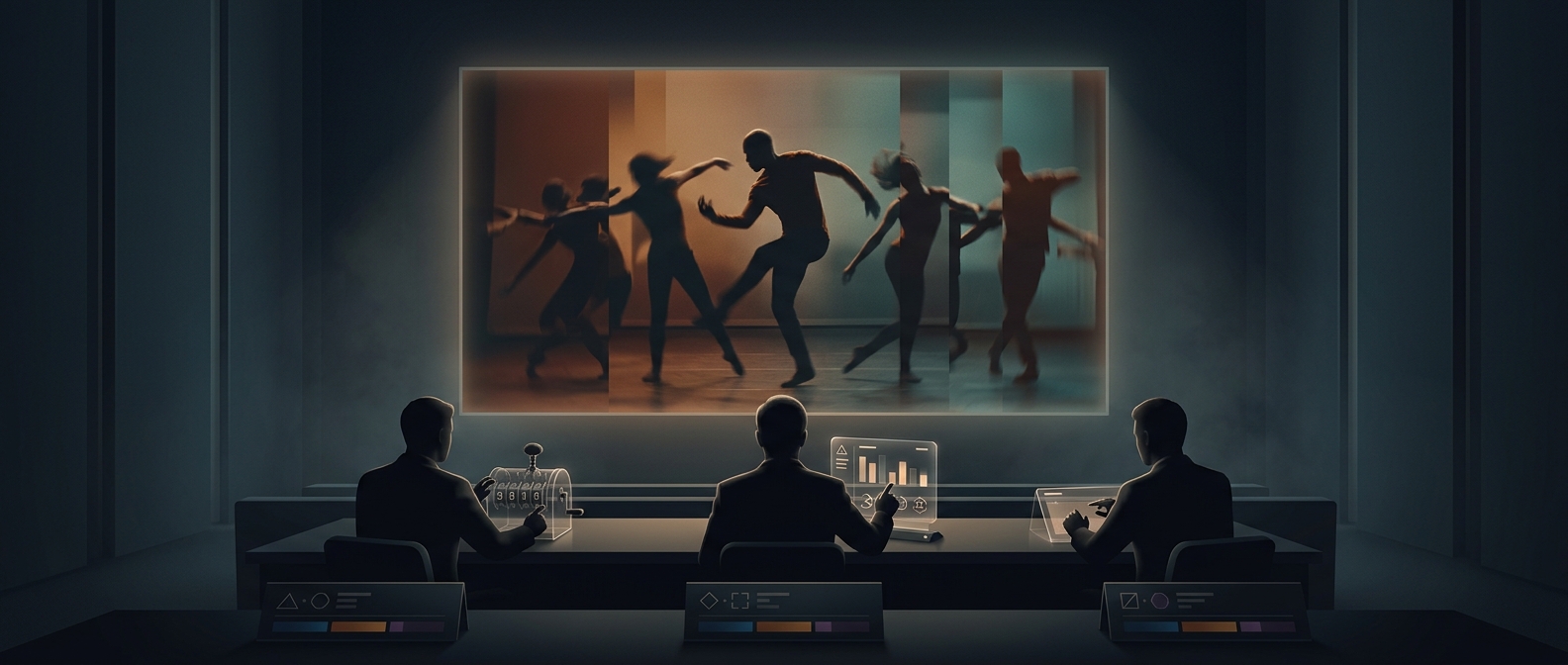
The buffer works like a brief waiting room for the broadcast. While the signal is being held, a producer or another operator can listen for something that should not air, such as unexpected profanity. If it happens, the operator can trigger a control that removes or mutes that moment before the delayed signal reaches viewers.
A safety window, not a guarantee
The delay buys people time to react; it does not automatically identify or erase every problem. A sudden remark has to be noticed, and the control has to be used quickly enough. The length of the buffer and what can be removed depend on the broadcast’s equipment and procedures.
There is also a tradeoff: viewers see and hear events slightly later than they happen. For a program marketed as live, that small gap preserves the immediacy of watching an unfolding event while giving the production team a chance to intervene. The moment on screen may be happening now—but the version reaching the audience has already waited long enough for someone behind the scenes to act.