Why a souvenir sticker can outlast the trip
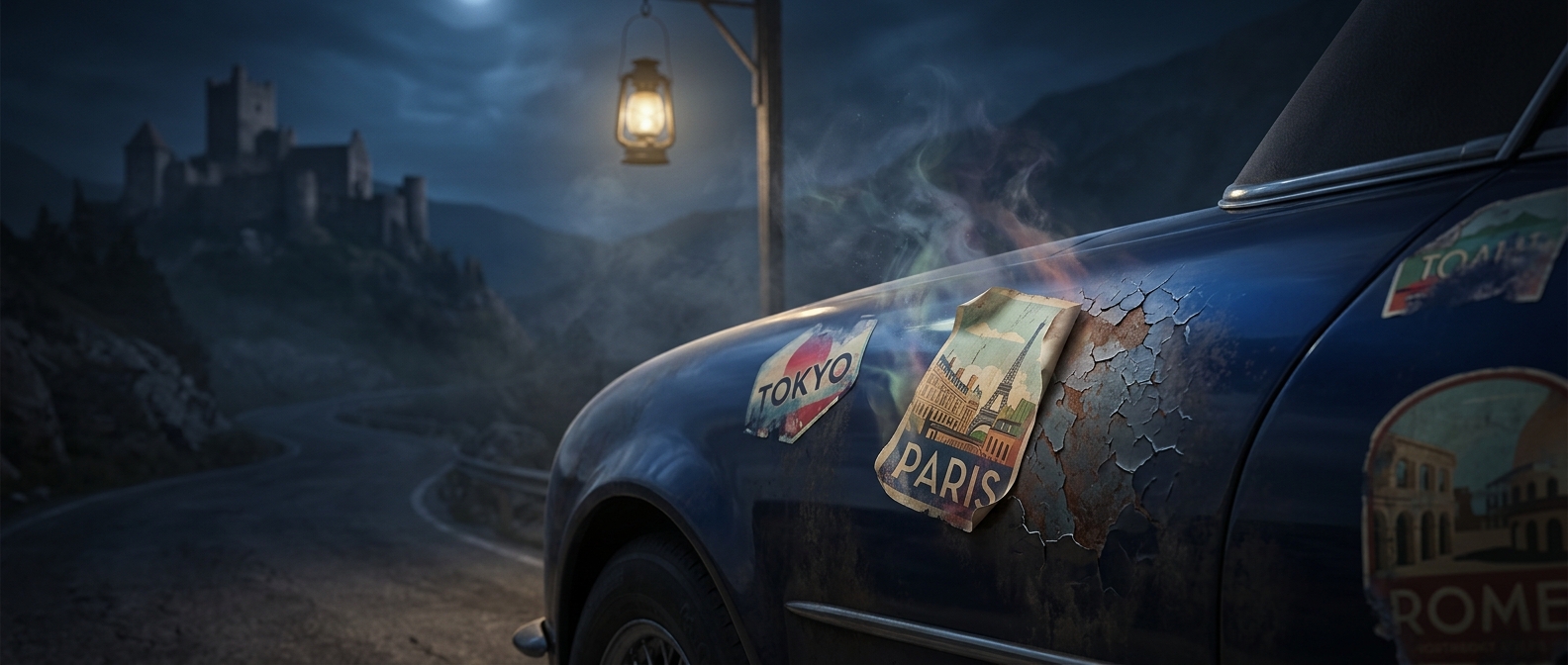
A vehicle’s clear coat is the transparent protective layer over its colored paint. A bumper sticker sits on top of that finish, but its adhesive can change as it bakes in sunlight, cools, and gets wet over months or years. It may harden or leave gummy residue, while the sticker itself becomes brittle and tears during removal.
The covered patch also ages differently from the exposed paint. Sunlight and weather gradually alter the surrounding finish, so even a cleanly removed sticker can leave a visible outline: the paint beneath it has been shielded while the rest of the panel has not. Dirt and moisture collecting around the edges can make the boundary more noticeable.
Removal is a balance of heat and restraint
Gentle warmth can soften adhesive and make a sticker easier to peel, but scraping with a blade or using a harsh solvent can scratch or dull the clear coat. Pulling a brittle sticker off in one forceful motion may take paint or clear coat with it, especially if the finish is already damaged. Working slowly with a plastic edge and a product labeled safe for automotive paint reduces the risk.
The practical catch is time: a sticker that comes off easily after a short trip may become a stubborn, sun-baked layer if it stays on for years. On a painted trunk, the souvenir can leave its outline behind even after the sticker is gone.