Why Babe needed a whole cast of pigs
A piglet is not a fixed-size performer. During the months a feature film takes to make, a young pig can grow quickly enough that its appearance changes from one scene to the next. That creates a continuity problem: footage filmed weeks apart may need to show the same character at the same apparent age and size.
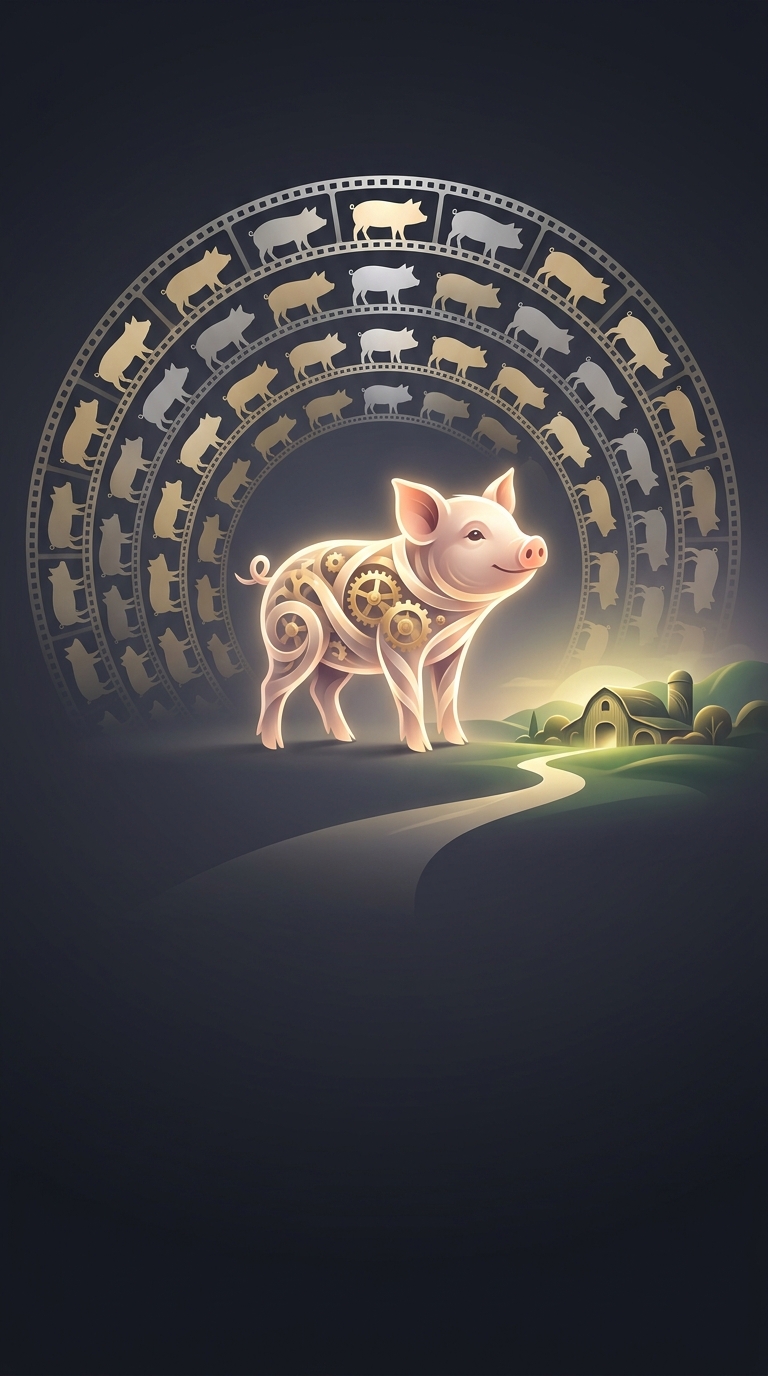
For Babe, the production used 48 real pigs to play the title character. Rather than ask one animal to remain a convincing piglet throughout the schedule, filmmakers could use different pigs as the role required. The practical solution was a rotating cast—many performers standing in for one character.
The production problem had an afterlife
That arrangement solved a camera problem, but it also meant the production had responsibility for dozens of animals once filming ended. According to the account of the film’s pig performers, all 48 were spared from slaughter and went on to live out their lives at sanctuary farms.
The contrast is striking: a familiar film-production workaround—using multiple animals to preserve a character’s appearance—created a lasting obligation beyond the set. The pigs were not simply interchangeable props; each was a living animal whose future had to be accounted for when its part in the movie was over. Their acting careers ended, but their story did not end with the final take.