VIP Is Often About Comfort, Not the Stage
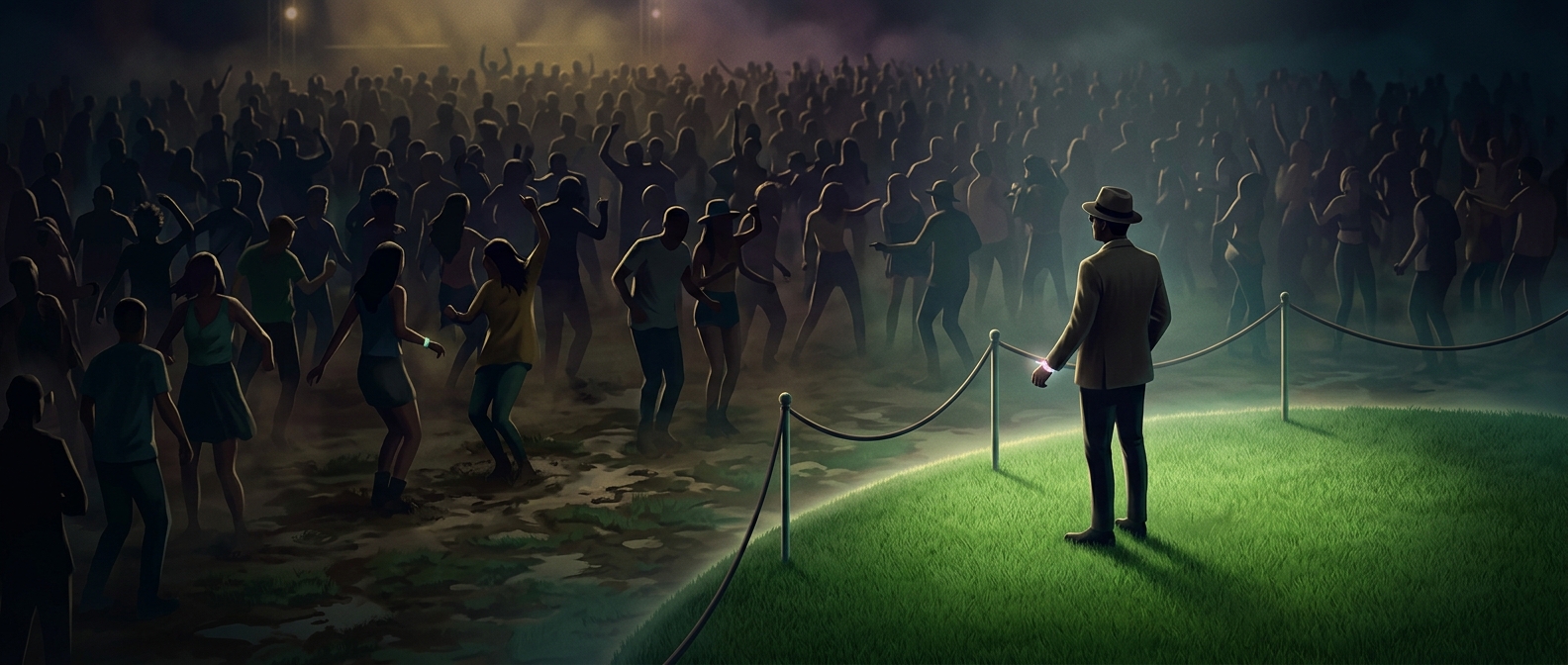
At many festivals, a VIP ticket changes the conditions around watching more than the view itself. The premium area may offer more room to stand or sit, shade, and quicker access to food or drinks. Those perks reduce the small hassles that accumulate over a long day: searching for a place to rest, waiting in a crowded line, or spending hours in direct sun.
That distinction matters because festival grounds are a limited space. The main stage needs room for a large audience, while a separate premium area has to fit somewhere that does not disrupt crowd movement or emergency access. Depending on the layout, VIP may sit off to the side or farther back. Paying more therefore does not automatically mean being closer to the band or seeing over the crowd.
The Upgrade Sells Predictability
A shorter bar line or a calmer place to take a break can make the day feel more manageable, especially when sets overlap and thousands of people move through the same paths. For the organizer, offering a higher-priced tier also creates a way to sell added comfort without making every ticket include those services. The tradeoff is that buyers pay for conveniences whose value depends on the site, the weather, and how crowded the festival gets.
Before upgrading, the useful question is not simply “Is it VIP?” but what the ticket actually provides—and where that area sits in relation to the stages. A shaded patch and a faster drink line can improve a festival day; they cannot guarantee a better view of the band.