How a Ringmaster’s Whistle Keeps the Show Moving
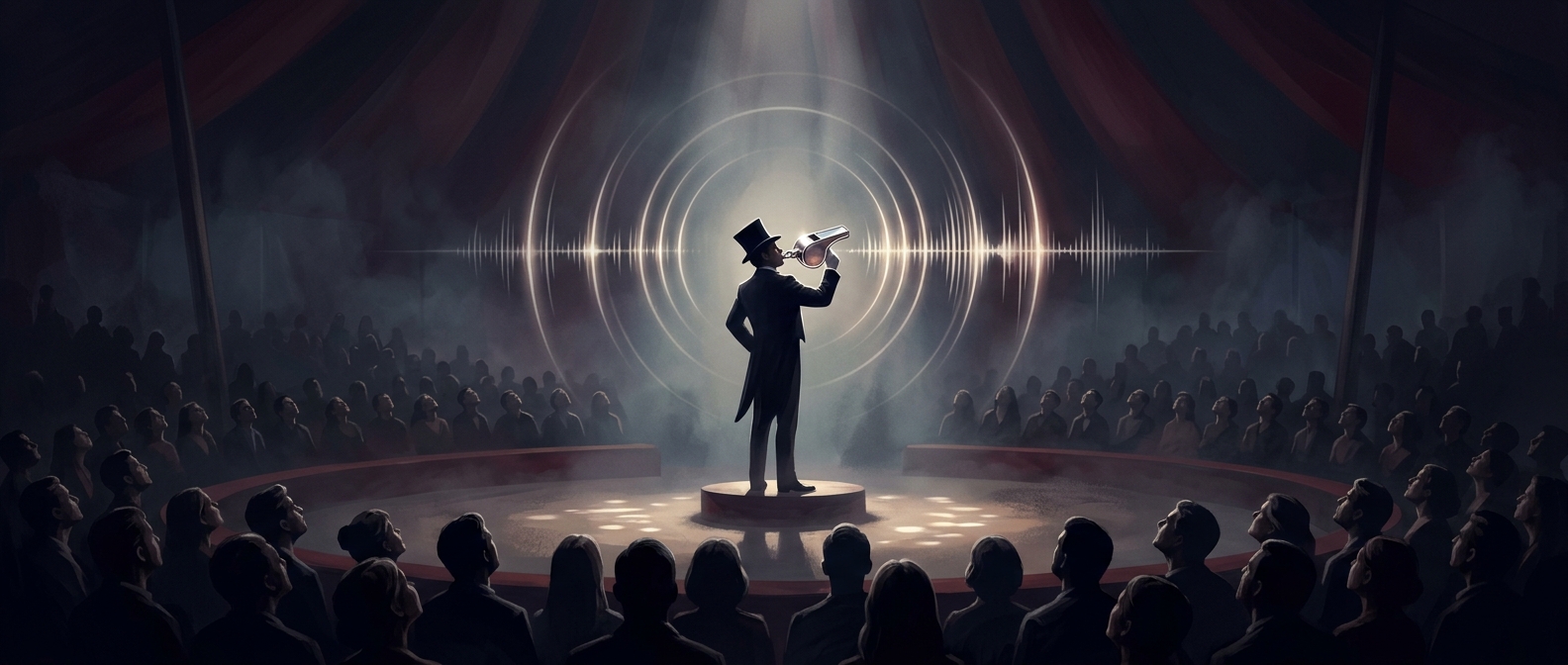
A circus is a difficult place for performers to hear ordinary instructions. Music, applause, crowd noise, and activity across the ring can swallow a spoken cue. A whistle’s sharp, sustained tone is easier to distinguish from that clutter, making it useful for marking a moment when timing matters.
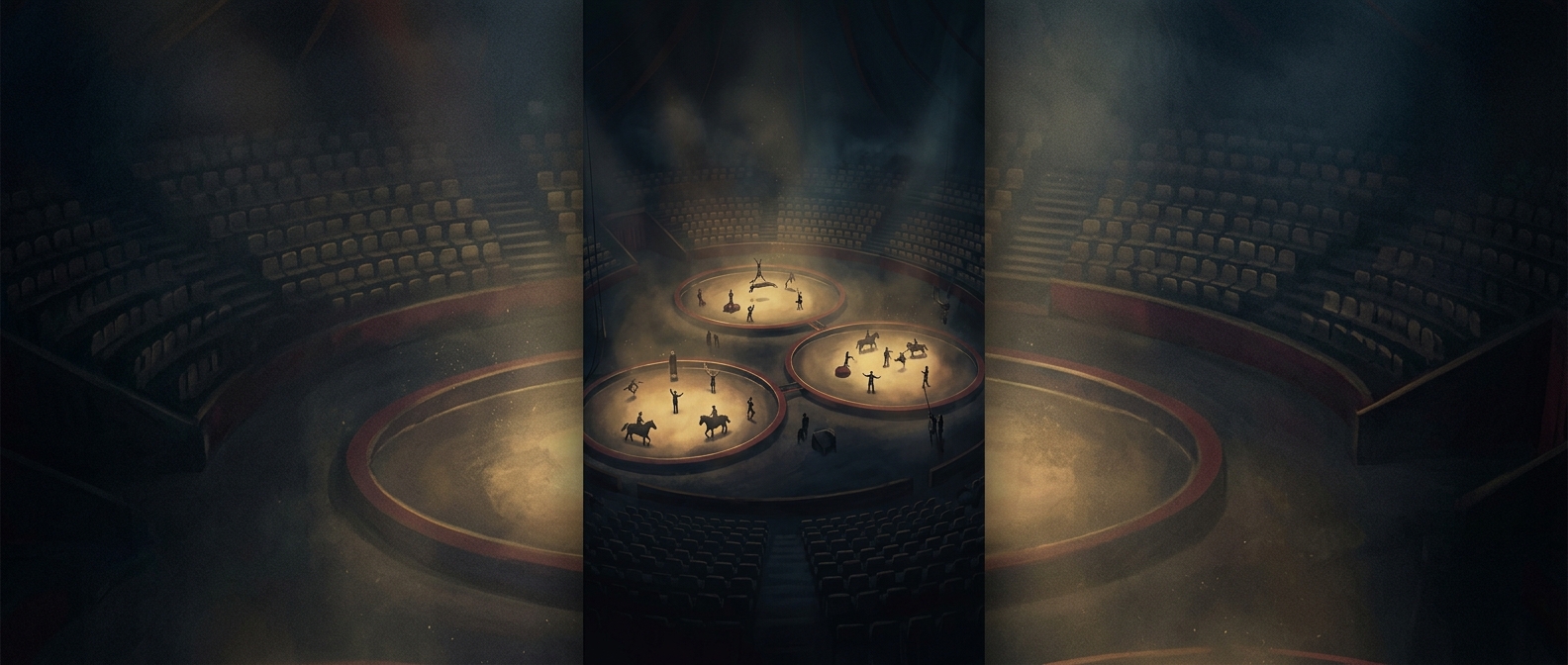
The signal can help coordinate an entrance, a change in movement, or the transition between acts. In a performance involving several people, even a small delay can disrupt a sequence: one performer’s next move may depend on another finishing first. A clearly timed cue gives the performers a shared moment to respond to, without requiring them to stop and listen for words.
A Signal for the Audience, Too
The whistle also helps shape what spectators notice. A ringmaster can use it alongside movement, gestures, and spoken introductions to mark a transition and turn attention toward what is about to happen. The sound does not explain the next act; it signals that the show’s focus is shifting.
That makes the whistle more than a bit of circus atmosphere. It is a compact tool for managing both sides of a live performance: helping acts stay coordinated while guiding the audience through the changing action in the ring.