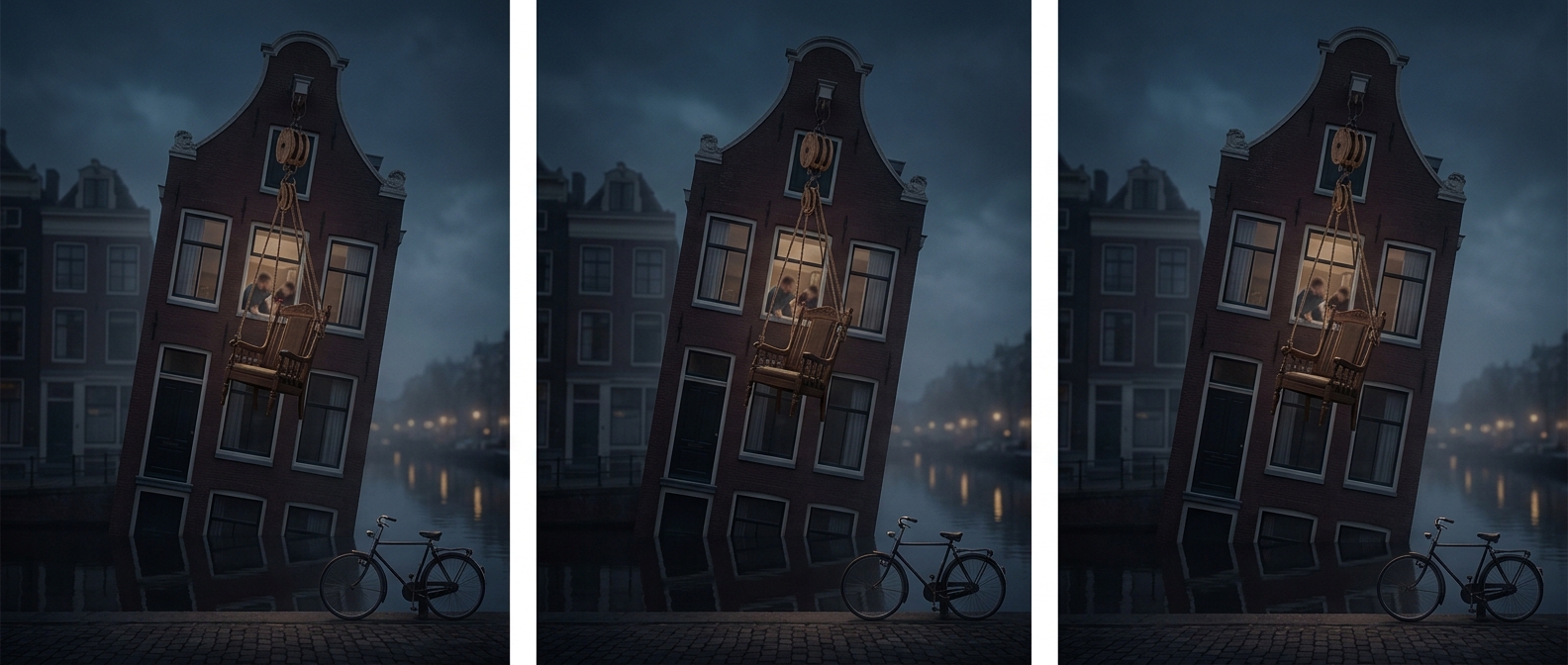
Why Amsterdam is targeting the night-out trip
The campaign addresses a particular kind of visitor, not tourism in general: people planning a low-cost trip mainly around drinking and nightlife. In Amsterdam’s crowded central districts, the effects of that itinerary are highly visible at street level. Groups moving between bars late at night can mean noise, litter and disruptive behavior in places where people also live. The city’s challenge is to keep tourism’s economic benefits without letting a party-focused weekend define daily life for residents.
How a digital warning can change the choice
An ad shown to someone searching for inexpensive flights reaches travelers while they are still choosing where to go. Its purpose is to make the likely experience—and the city’s expectations—harder to misunderstand before a ticket is booked. That is a different tool from a fine or a rule enforced after someone arrives: it tries to discourage a trip whose main purpose is likely to create trouble, rather than punish behavior later.
The approach also draws a line between welcoming visitors and welcoming every kind of tourism. Amsterdam can remain open to people interested in its neighborhoods, museums and history while signaling that the city is not simply a cheap backdrop for an unrestrained night out. A warning cannot control what every visitor does, but it can influence who decides to come—and what they expect the trip to be for.