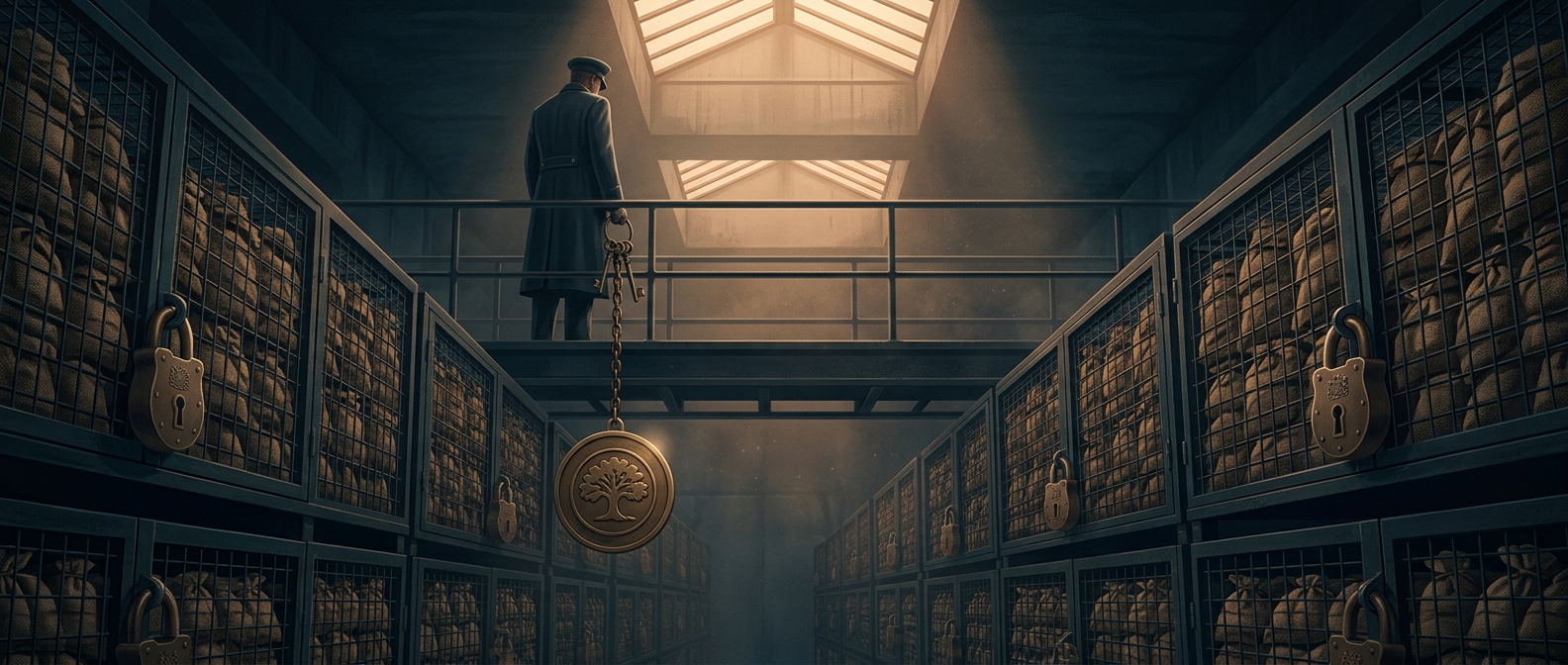
The aisle has more logos than owners
A grocery shelf can look like a competition among dozens of companies. In packaged food, though, many familiar labels sit inside portfolios controlled by a much smaller group of parent corporations. Nestlé, PepsiCo, Mondelez International, Mars, General Mills, and Kraft Heinz, for example, each own multiple food or snack brands.
There is no single fixed count of companies that “own most” of a grocery aisle: it depends on which products, stores, and countries you include. The useful distinction is between the brand on the package and the company that owns it. A label may keep its name, recipe, and recognizable packaging even after its owner changes.
How a portfolio gets built
Large companies often expand by buying established brands rather than replacing them with one corporate label. An acquired product can keep the customer recognition it already has, while its new owner gains access to the company’s manufacturing, shipping, marketing, and retail relationships. Those shared systems can make it easier to put products in more stores and promote them across a wide range of categories.
That creates a shelf where distinct-looking products may ultimately answer to the same corporate headquarters. It does not mean the products are identical or that one company makes everything under its brands; ownership, manufacturing, and distribution can involve different businesses.
What consolidation changes—and what it doesn’t
A concentrated portfolio gives a parent company influence over many brands’ investment and marketing decisions. It can also give retailers a powerful supplier with products across several aisles. But the aisle still includes competing corporations, store-owned labels, regional producers, and independent brands. A crowded shelf can conceal concentrated ownership without proving that every product has the same owner.
The next time a familiar package changes hands—or stays visually unchanged after an acquisition—the logo shoppers recognize may tell only part of the story.