How a Small Crack Becomes a Road-Sized Hole
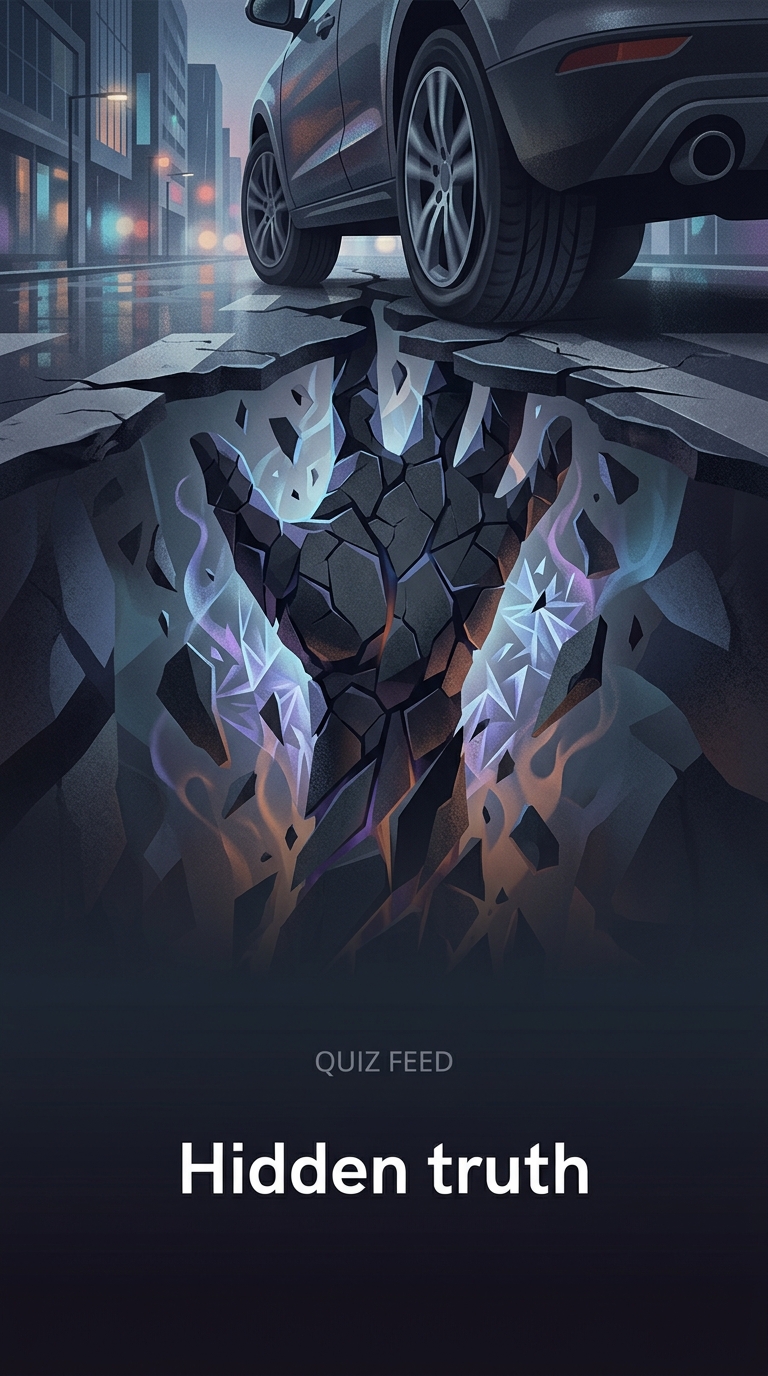
The main force behind many spring potholes is water freezing inside cracks in the pavement. Water seeps through tiny openings in the road surface and into the layers beneath it. When temperatures drop, that water freezes and expands by roughly 9 percent. The ice pushes against the surrounding pavement, widening cracks and loosening pieces of asphalt.
The damage often builds through repeated freeze-and-thaw cycles. Ice melts when the weather warms, leaving gaps where water can collect again. Meanwhile, the pavement above may be resting on weakened or waterlogged material rather than firm support.
Traffic Delivers the Final Blow
Passing tires flex the weakened surface. Each vehicle presses down on loose asphalt, forcing fragments to shift or break away; water can also be squeezed through cracks and carry fine material out from below. Once a piece of pavement comes loose, the exposed edges take more hits and the hole grows.
That is why a road can look merely cracked in winter and suddenly develop deep potholes during a thaw. Freezing does the hidden weakening; traffic turns it into a visible break. The most vulnerable spots are often where water can linger and pavement has already cracked, so one spring pothole may signal damage spreading beneath the surface as well as at the top.