When a map replaces the road
A car is useful only if it solves a problem the game still asks the player to solve. In a large open world, that problem is often getting from one distant point to another. If a player can select a destination on the map and arrive there immediately, driving the same distance becomes an optional detour rather than a practical shortcut.
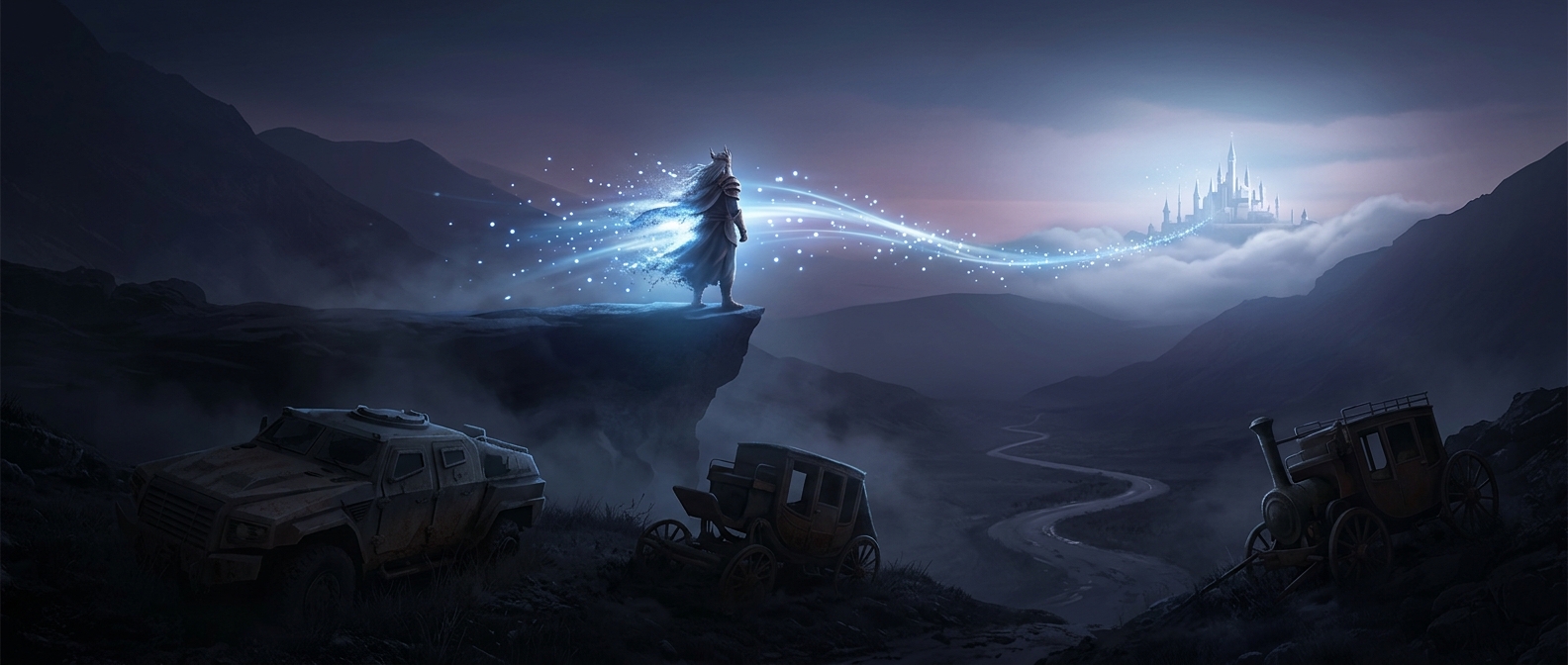
The change is especially sharp when fast travel is free, quick, and available from almost anywhere. A vehicle may be faster than running, but it cannot beat a trip that takes no in-game time and demands no steering. The car’s speed stops mattering because the travel system has removed the journey from the comparison.
What the car can still do
That does not make vehicles automatically useless. They can help with nearby movement, let players explore between destinations, or make a mission’s chase and collision mechanics possible. Driving can also be part of the pleasure: the route, scenery, and sense of inhabiting the world may be the point rather than an obstacle to clear.
The design tension is that fast travel saves time while potentially hollowing out the world’s roads. If a game wants players to drive, it needs to give the journey some value—through encounters, discoveries, or activities that happen along the way. Otherwise, the most efficient car is the map screen.