How a distinctive look can shrink a breed’s gene pool
A breed is shaped by repeated choices about which dogs have puppies. When breeders favor a particular size, coat, head shape, or movement, the next generation carries more of the genes found in the selected dogs—and fewer of the alternatives present in the wider dog population. A small founding population, closed breeding records, or heavy use of a few popular sires can narrow that pool further.
The tradeoff is that genes do not travel in neat packages. A dog chosen for an appealing feature may also carry variants that affect health. If related dogs are bred, they are more likely to share those variants, making it likelier that puppies inherit two copies of a harmful recessive variant—one from each parent. Some conditions, including hip dysplasia, involve many genes as well as factors such as growth and body weight, so they cannot be reduced to one faulty gene.
When the feature itself affects the body
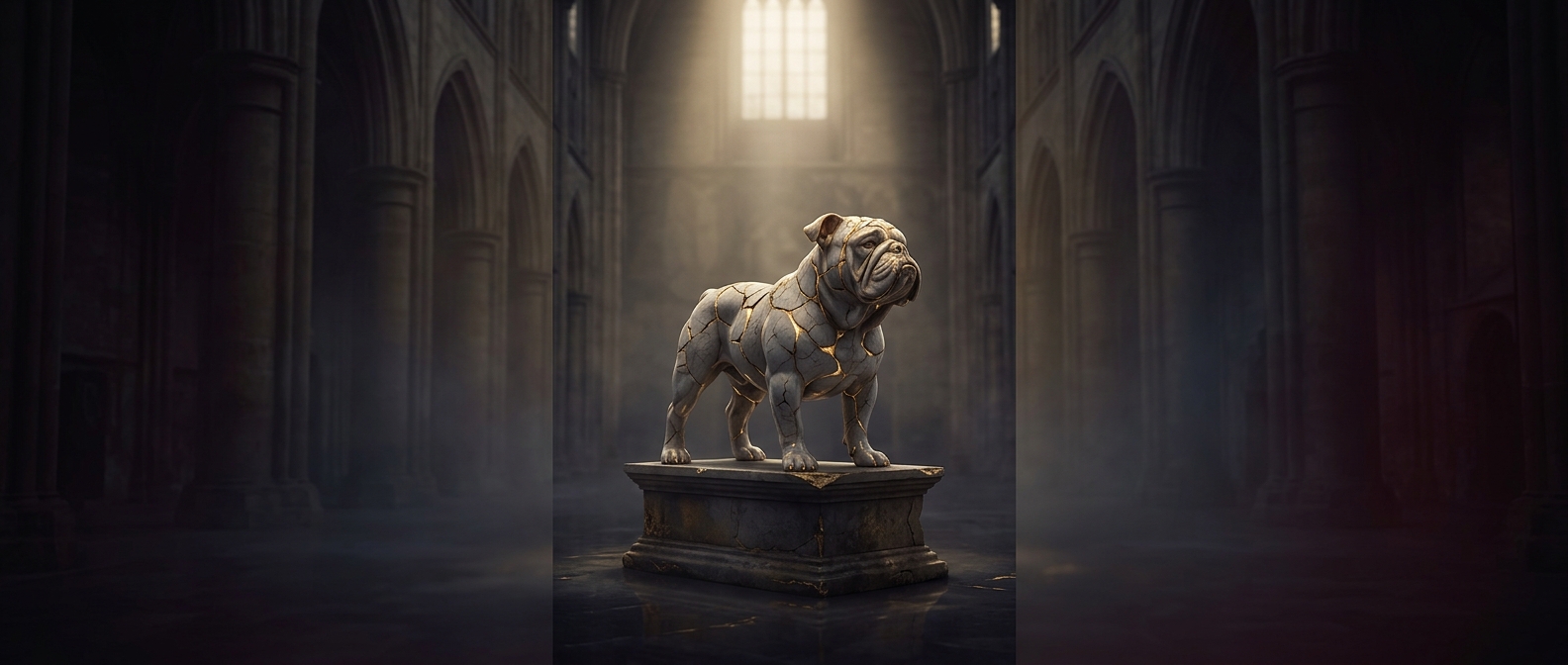
Some risks arise not only from hidden inherited variants but from the physical form being selected. In very short-muzzled dogs, the bones of the face are compressed while soft tissues still occupy the airway. The result can be obstructed airflow and difficulty breathing, especially during exertion or heat. In that case, the sought-after appearance and the health problem are linked through anatomy.
Breeders can reduce risk by screening for known conditions, choosing mates from less-related lines, and favoring sound function alongside appearance. But those choices can conflict with demand for a narrowly defined look, and a health test cannot detect every risk. The lasting consequence is that a breed’s most recognizable traits may be maintained through breeding decisions that also make careful mate selection—and attention to the dog’s everyday ability to move and breathe—essential.