The stopping point built into a page
A page break used to do more than organize content. When you reached the bottom of a page, you faced a small decision: continue to the next one, or stop. That pause was a stopping cue—a signal that a browsing session had reached a natural boundary.
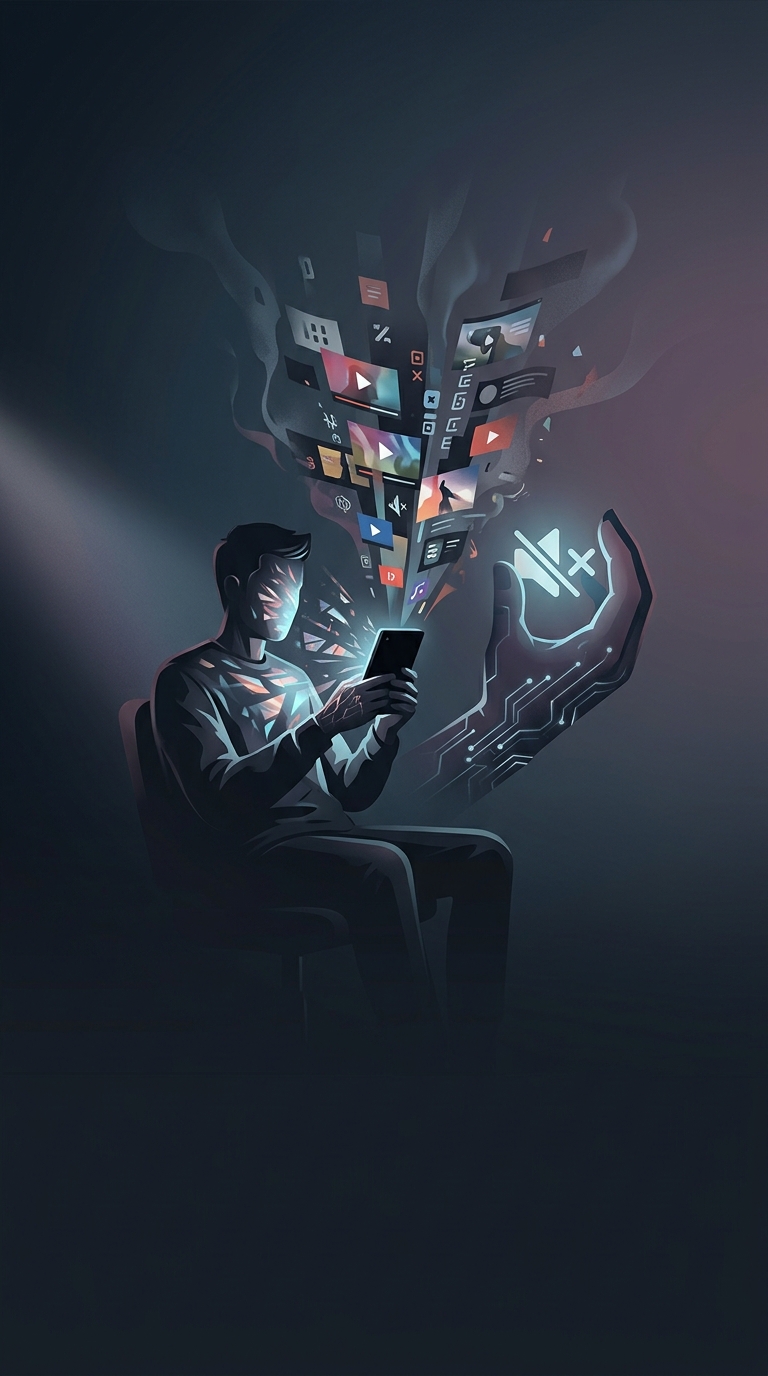
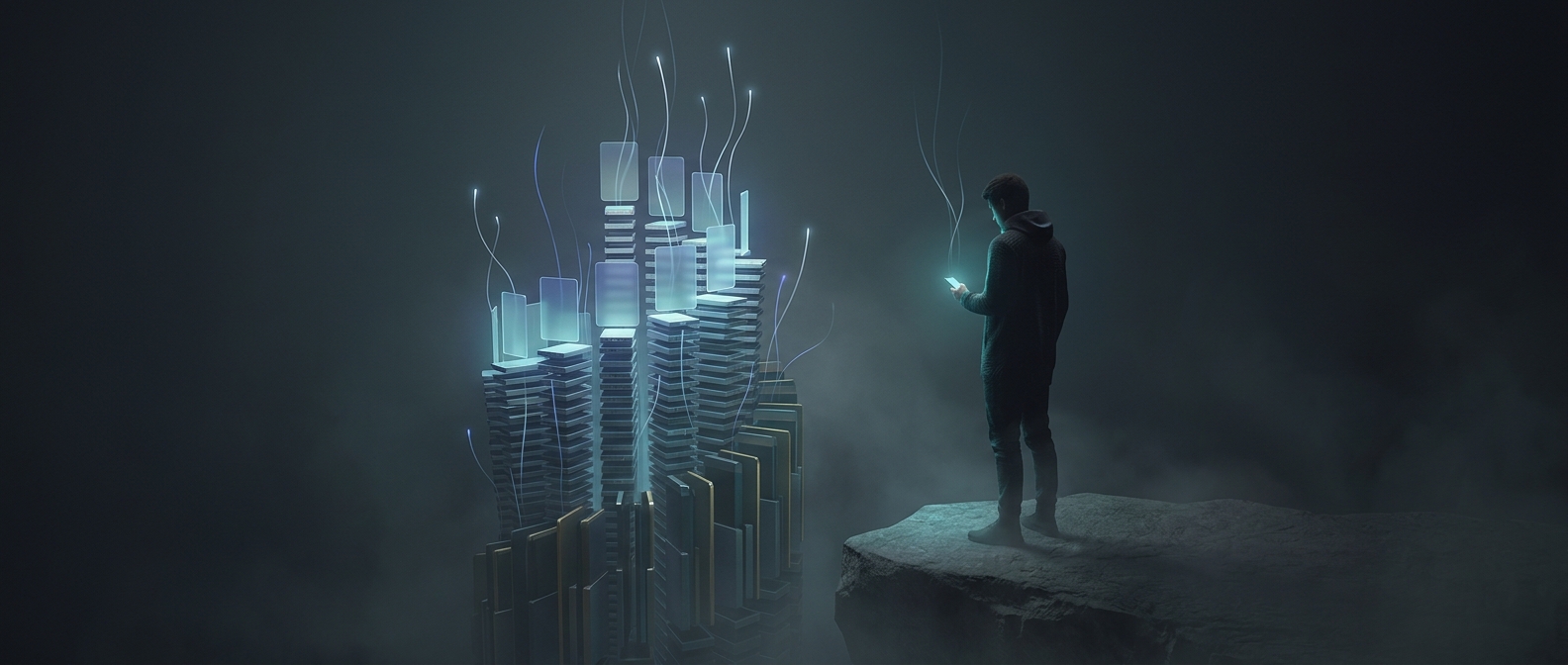
Infinite scroll removes that boundary. As you approach the bottom of a feed, more posts load automatically, so there is no clear moment when the available content is finished. The next item arrives before you have to choose whether to seek it out.
Why the feed is harder to leave
This changes the effort involved in continuing. Turning a page requires an action and offers a brief moment to reconsider; scrolling onward can happen with almost no interruption. Fresh material also gives attention something new to latch onto, making the feed feel unfinished even when there is no particular post you came to find.
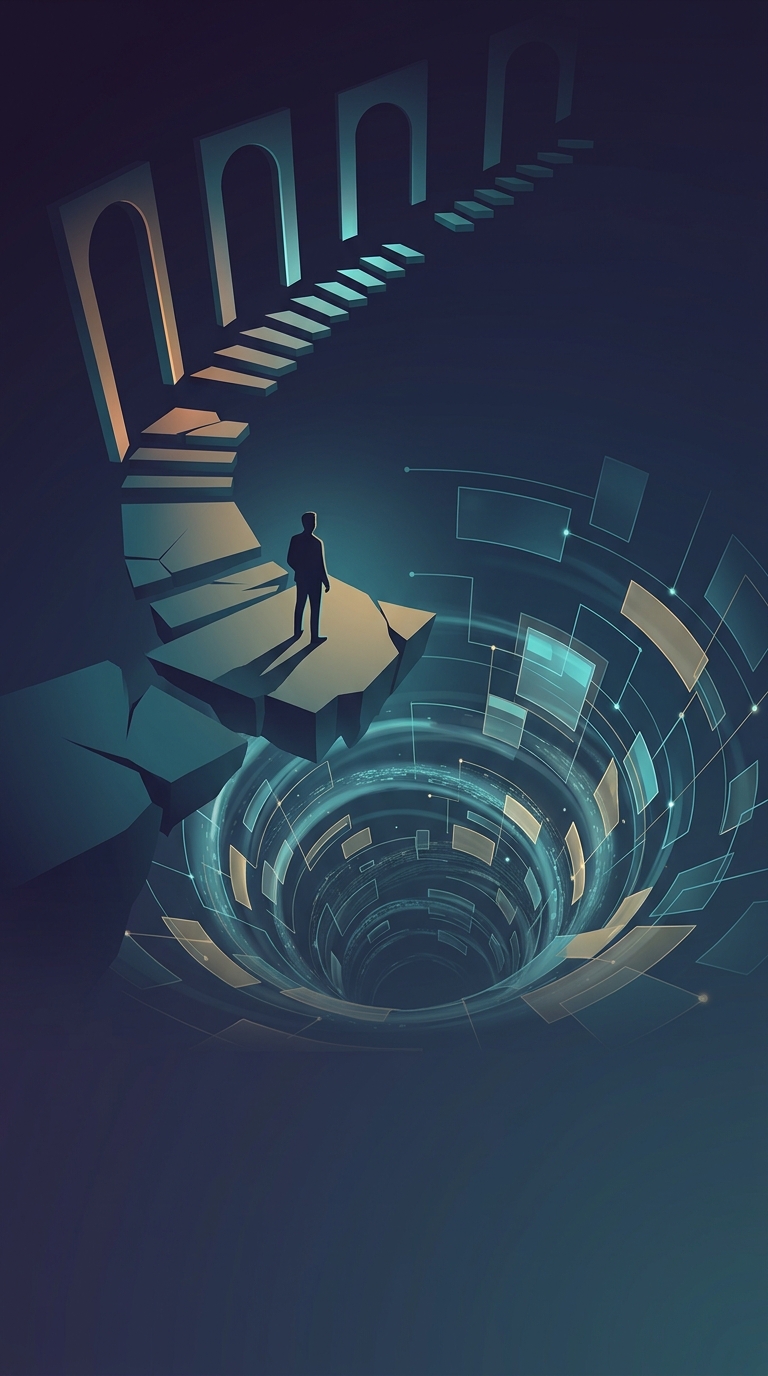
The result is not that people lose the ability to stop. Rather, the interface supplies fewer reminders to make that choice. Without a visible endpoint, it becomes easier to keep browsing by default and harder to notice how long the session has lasted.
A missing moment of choice
That small pause at the end of a page was an off-ramp: not a guarantee that someone would leave, but a convenient point at which stopping was easy to consider. Infinite scroll trades that pause for uninterrupted flow. The practical consequence is simple: when content never presents a clear “you’re done” moment, leaving has to be a decision the reader creates for themselves.