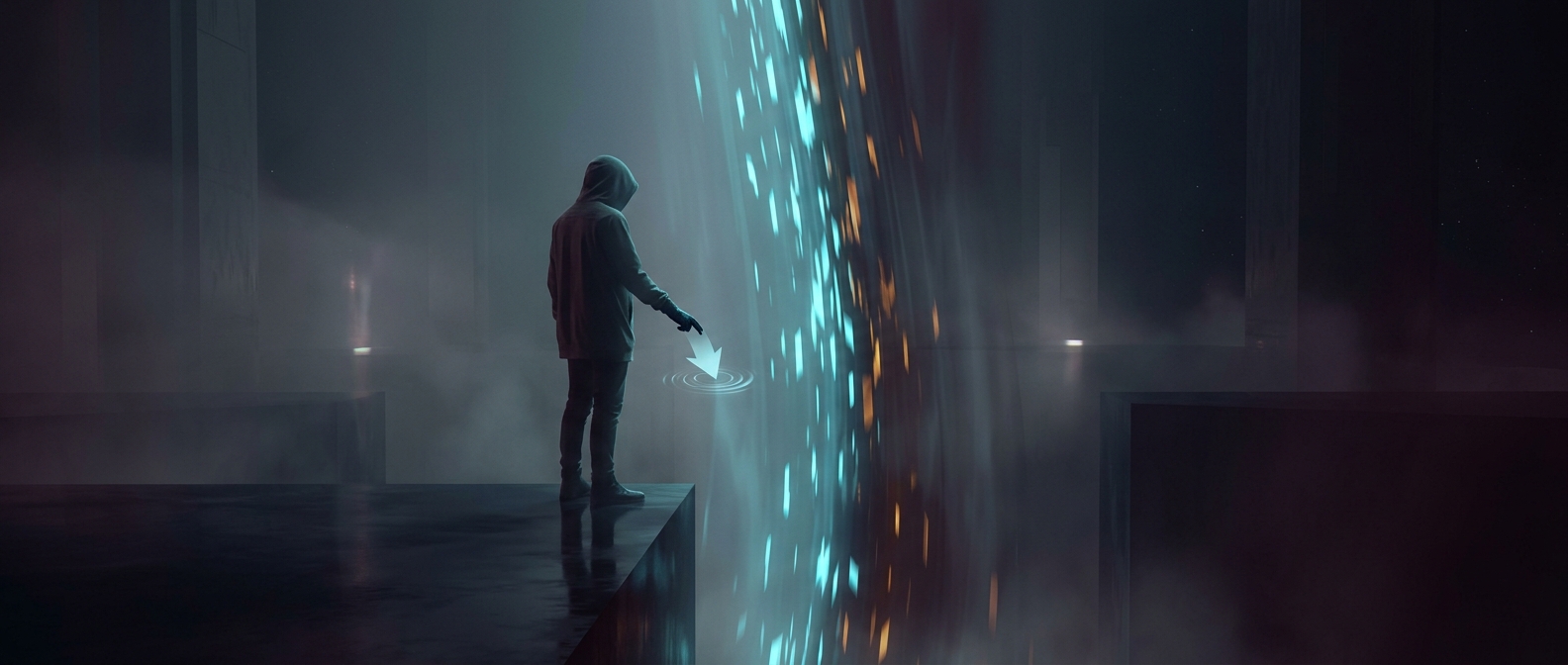
Why the refresh gesture keeps its appeal
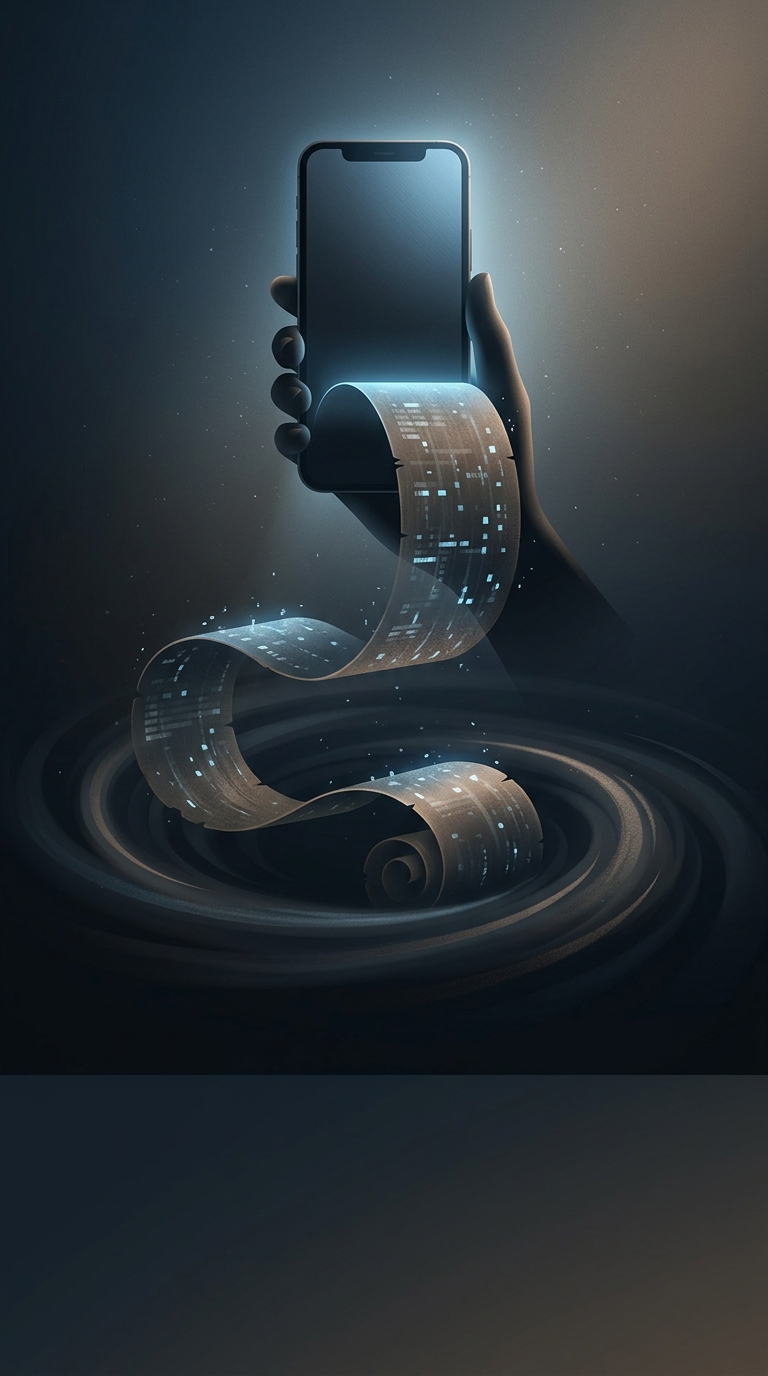
Pulling a screen down is more than a command to reload. It turns waiting for an update into an action: the user does something, the interface responds, and the result arrives a moment later. That small sequence can make checking feel satisfying even when the screen comes back unchanged.
The outcome is uncertain. A refresh might reveal a new message or post, or it might return the same feed. In behavioral psychology, rewards that arrive unpredictably can encourage repeated checking: because the next attempt might pay off, people have a reason to try again. The comparison to a slot machine describes that uncertainty, not an identical mechanism or a guaranteed effect on every user.
What the screen is doing
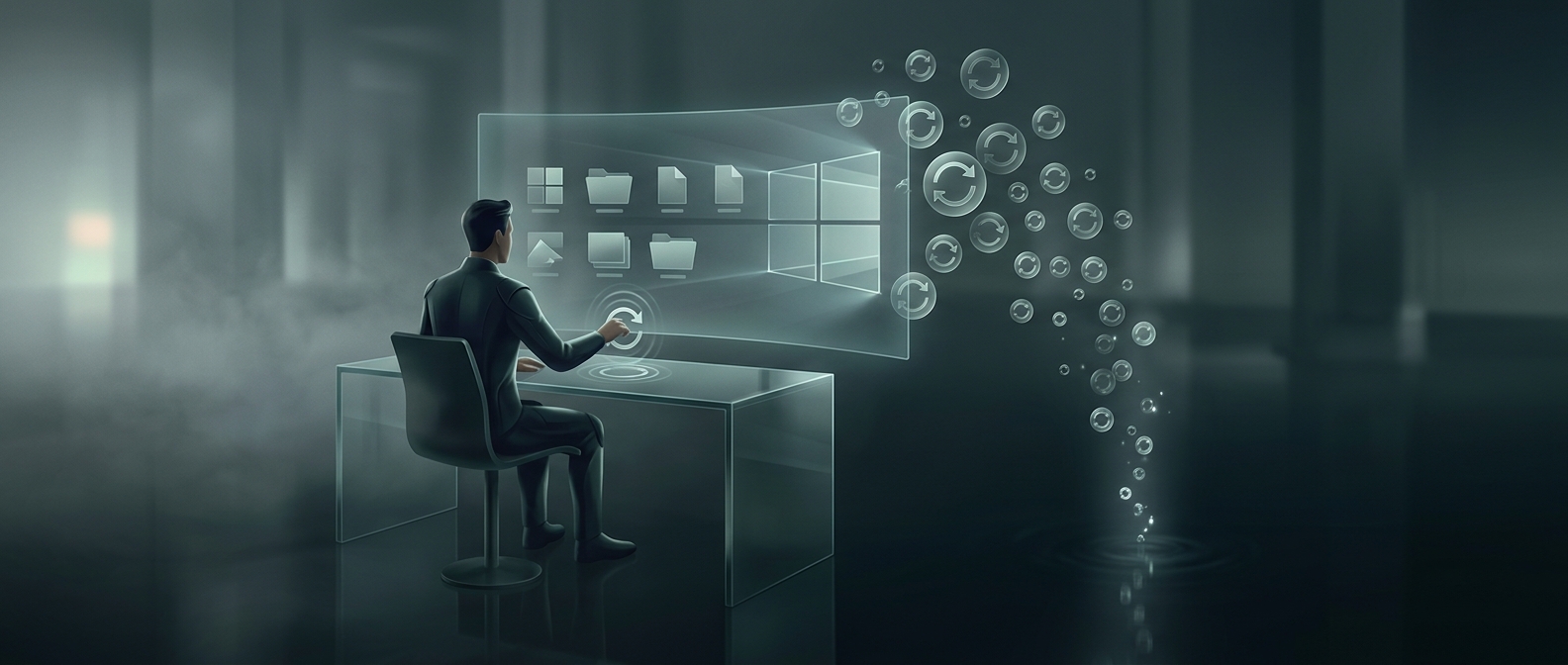
A swipe usually asks an app to check for newer information. The app may contact a server, compare what it receives with what is already displayed, and insert any new items. If nothing has changed—or the connection is slow—the interface may simply stop showing its loading indicator and leave the feed as it was. The gesture can be repeated immediately, even though another check may have little chance of producing anything new.
That makes the refresh control an unusually direct loop: the user initiates a check, sees a brief response, and decides whether to check again. The possibility of an update, not the update itself, is what makes repeated refreshing tempting.