The balance loop that can send a hoverboard forward
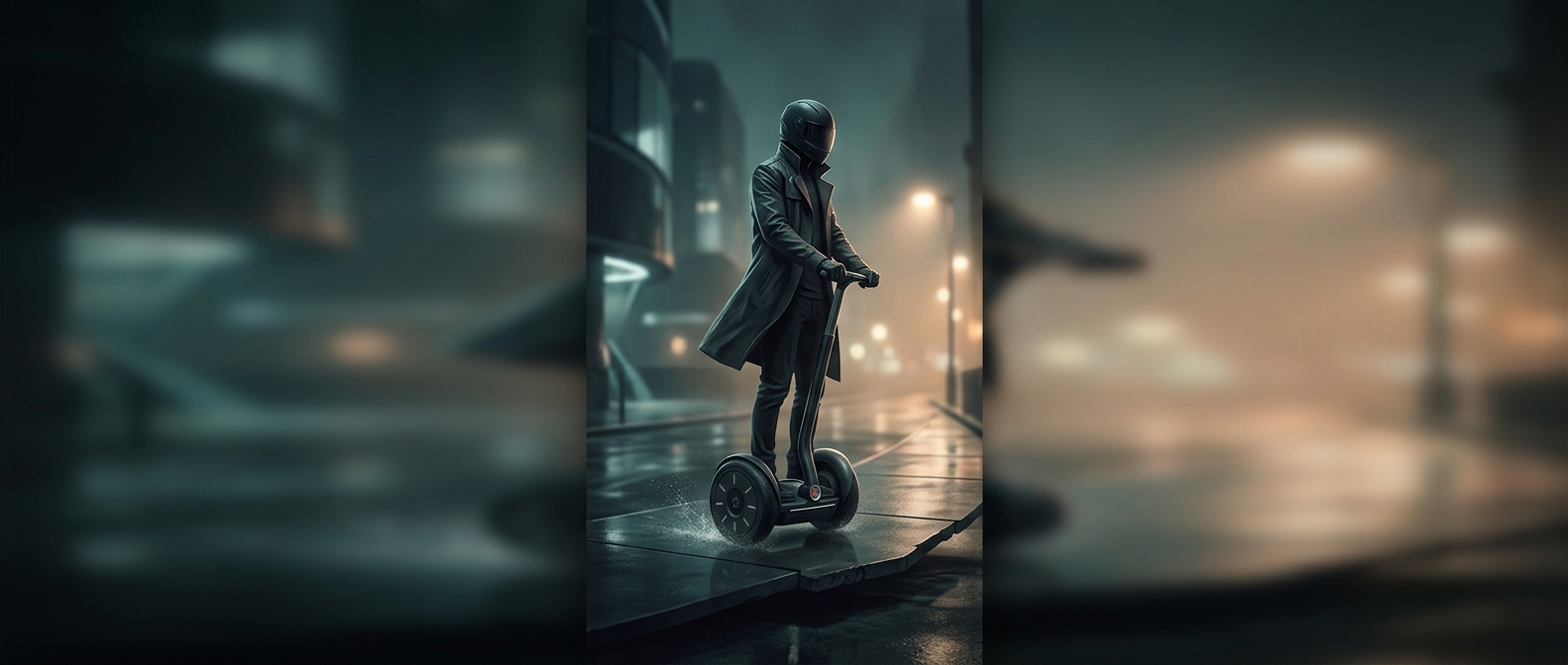
A self-balancing board is constantly making small corrections. Sensors inside it detect changes in the board’s angle and movement; a controller uses that information to tell the wheel motors how to respond. When the rider tips forward, the board rolls forward to keep the platform beneath them. That motion is what lets the rider stay upright while traveling.
Why a small lean can become a lurch
The board responds to the tilt it senses, not to the rider’s intention. A beginner who wobbles may lean farther forward while trying to recover. The controller reads the larger tilt as a stronger request to move, so the motors turn the wheels faster. If the rider then stiffens or shifts backward abruptly, the board has to correct again.
This creates a quick feedback loop: the rider moves, the board reacts, and the rider feels that reaction through their feet. Before someone learns how to make small, steady shifts, the corrections can feel like sudden acceleration rather than balance assistance. A wall or other obstacle becomes a problem when the rider cannot control the board’s movement in time.
The board follows the lean, not the destination
That tradeoff is built into the design. To balance a person, the board must move in the direction of a developing fall; to steer, it must also respond to shifts in pressure. It cannot know whether a forward lean means “go” or “help me stay upright.” The rider’s body supplies that distinction through practice, which is why gentle movements and an open learning space matter more than trying to force the board into place.