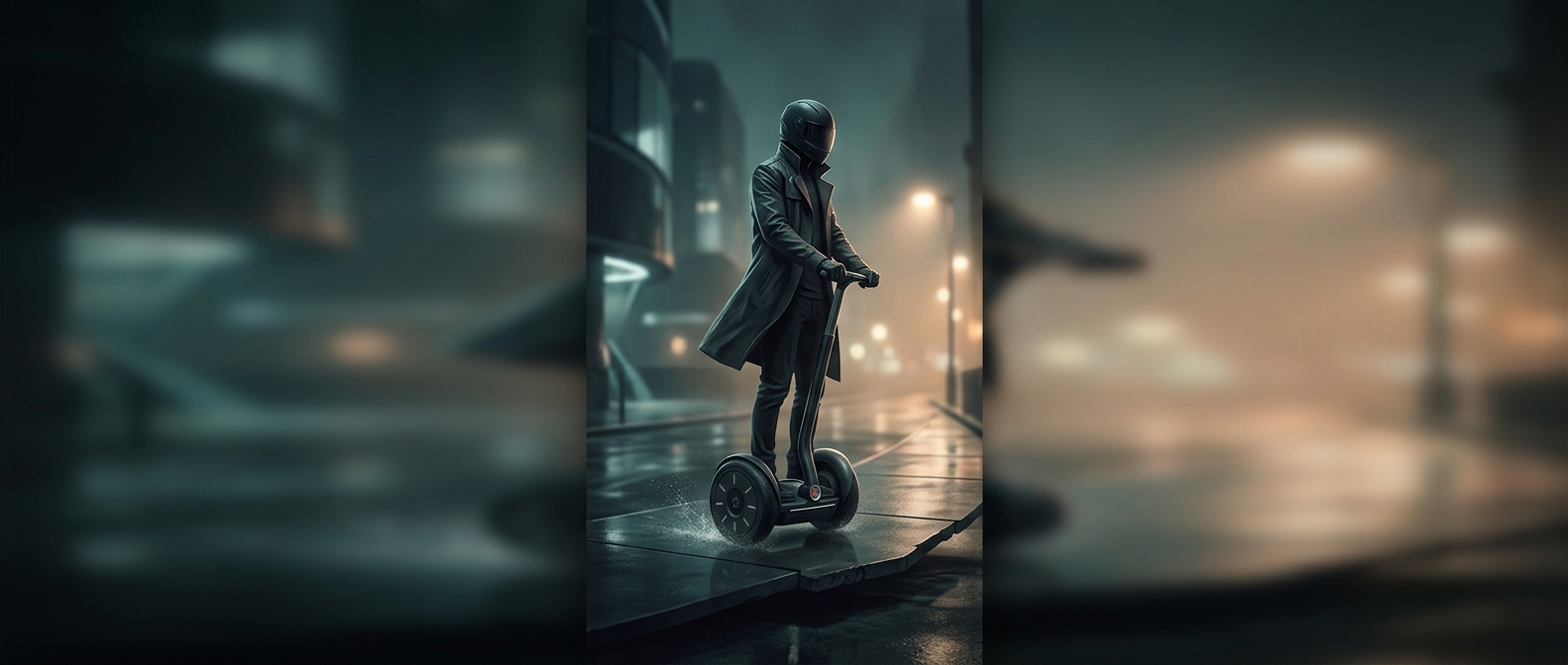
Balance is a moving target
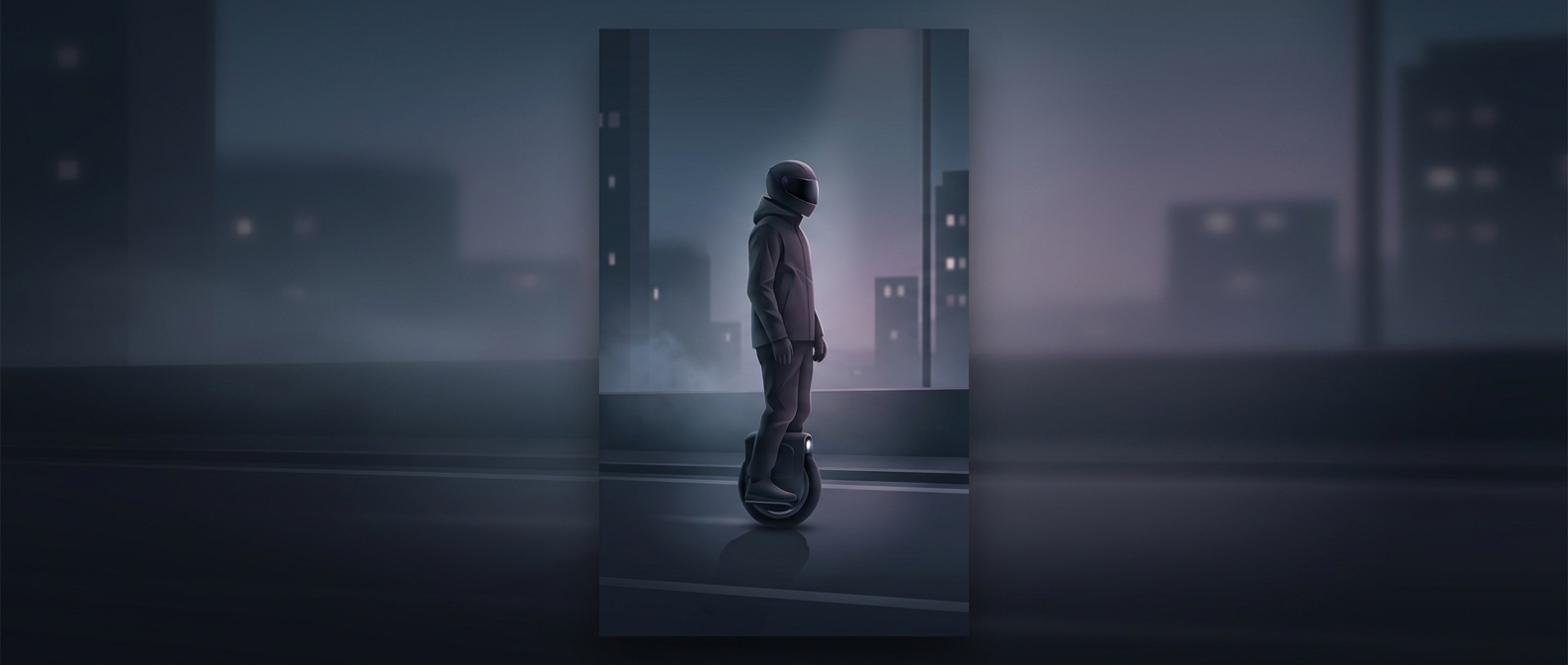
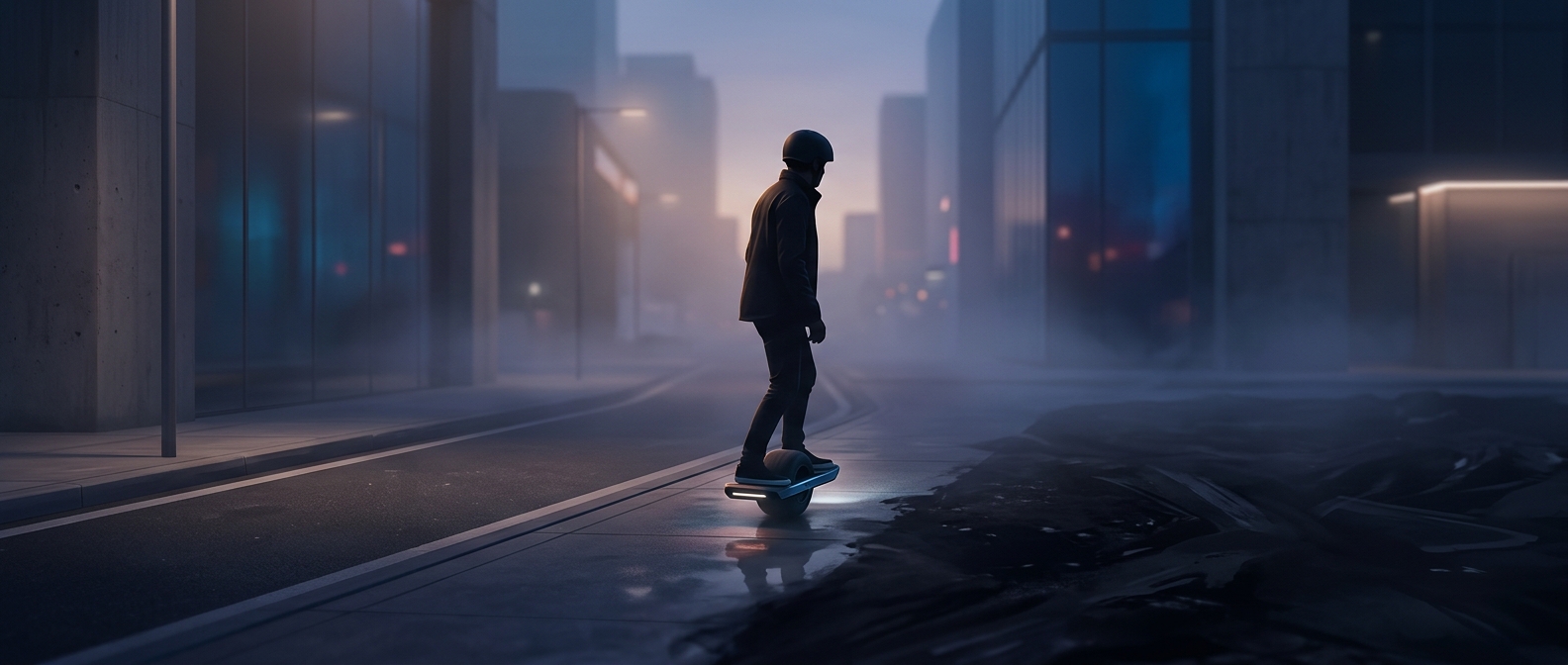
A two-wheel self-balancing board behaves less like a platform that holds a rider still and more like a moving support that keeps chasing the rider’s center of mass. Stand upright and the board can remain nearly still. Tip forward, and your weight shifts ahead of the wheels; the board rolls forward so its support point moves back beneath you. Lean back, and it rolls the other way.
That correction has to happen continuously. The rider and board form an inverted pendulum—a naturally unstable arrangement, like balancing a broom on your palm. The control system makes tiny adjustments many times as you ride, correcting small wobbles before they grow into a fall.
The rider supplies the command
The board does not interpret a lean as a command in words. It responds to changes in its angle and motion, using electric motors to turn the wheels. The rider’s posture is therefore part of the control loop: lean farther and the board must roll faster to keep up; ease back and it slows. The system can stabilize the deck, but it cannot cancel every abrupt shift or obstacle.
Turning uses the same basic idea, applied unevenly. The two wheels can rotate at different speeds, so shifting pressure between the feet can make one side move ahead of the other and pivot the board. Because the wheels stay in contact with the ground, the board still depends on pavement for support and traction. Its apparent “hover” comes from how quickly it moves beneath the rider—not from lifting off the surface.