When the Sun Vanished, Power Felt Exposed
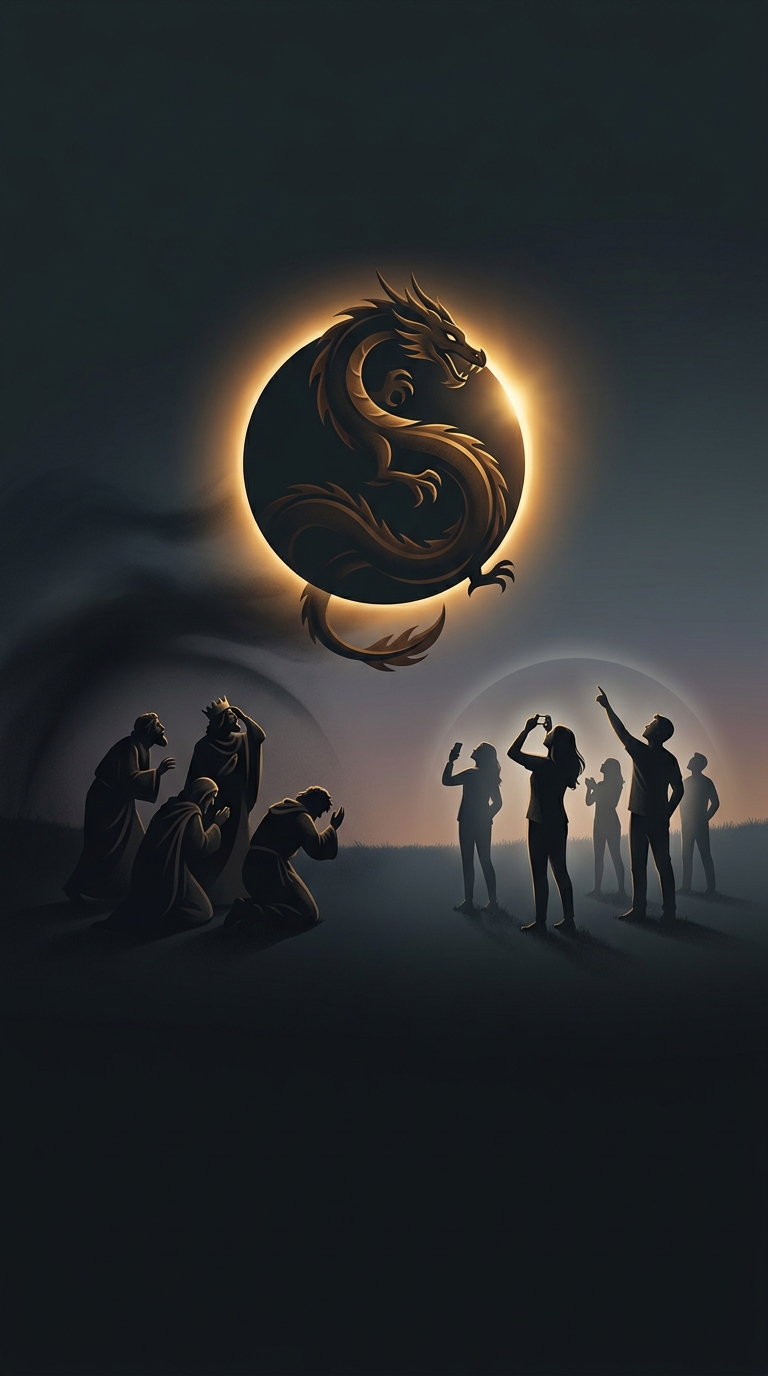
A solar eclipse was not merely a strange patch of darkness in the sky. In societies where rulers were believed to maintain order between people and the divine, the sun’s sudden disappearance could be read as a warning about the kingdom itself. The danger was often understood as a message requiring action—not simply as a spectacle.
That interpretation varied widely. In some traditions, a creature was said to swallow or attack the sun; elsewhere, an eclipse carried different meanings. Such stories gave a frightening, visible event a cause people could imagine and a crisis they could try to answer.
A Substitute King Took the Risk
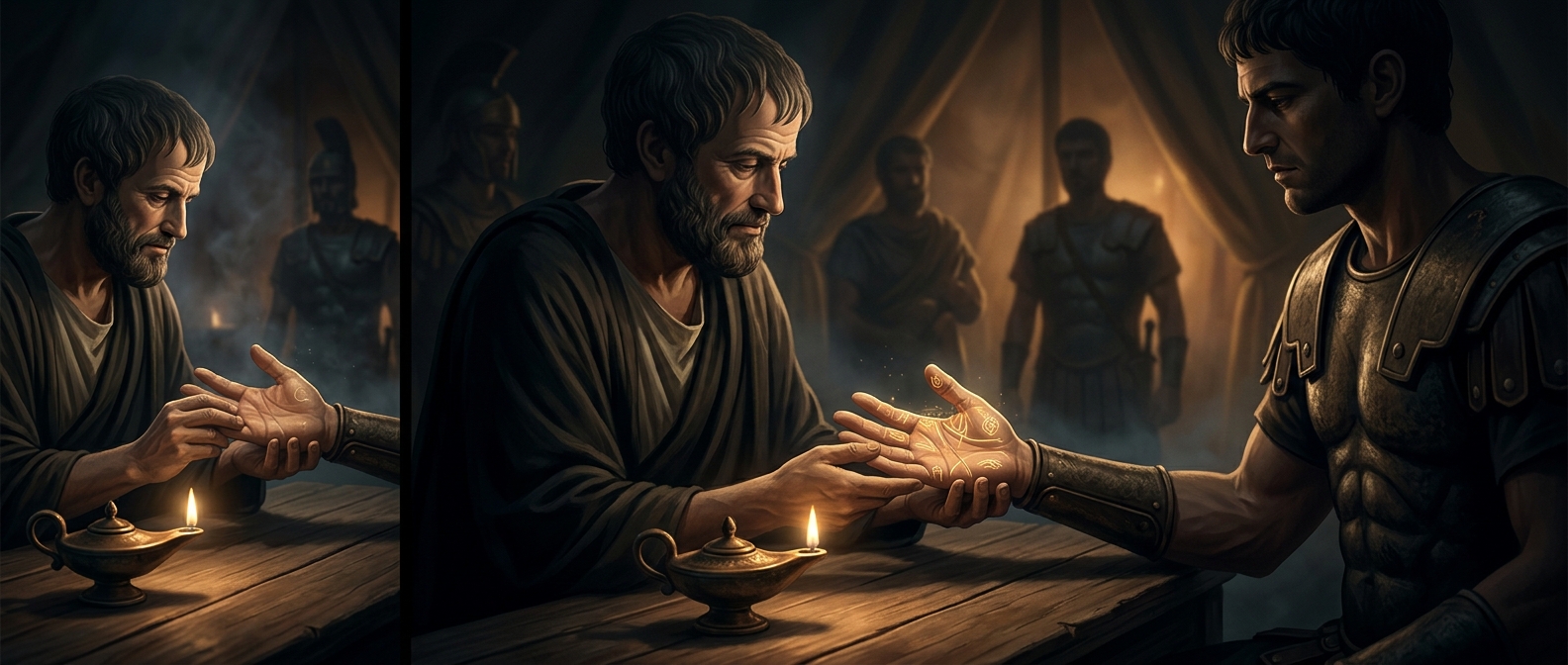
In ancient Mesopotamia, court specialists interpreted celestial events as omens, and an eclipse could be taken to predict danger for the ruler. One recorded response was the substitute king ritual: a stand-in was installed temporarily, while the real king withdrew from the role that seemed threatened by the omen.
The substitute was treated as king for a time, and the danger was symbolically directed toward that person instead. After the prescribed period, the stand-in could be killed, while the real ruler resumed power. It was an extreme way to turn an ominous prediction into a manageable ritual crisis—and to protect the person whose safety was tied to the state’s stability.
From Darkness to Political Consequence
This response shows why eclipses could inspire more than fear of the sky. A sudden loss of sunlight was interpreted through beliefs about divine warning, kingship, and public order. The resulting rituals could shape decisions at court, even though the eclipse itself was a natural event.
The stand-in’s brief reign made the stakes tangible: for a time, the fate attached to the king was transferred to another human being.