Why Alaska’s Rubber Ducks Don’t Stay in a Straight Line
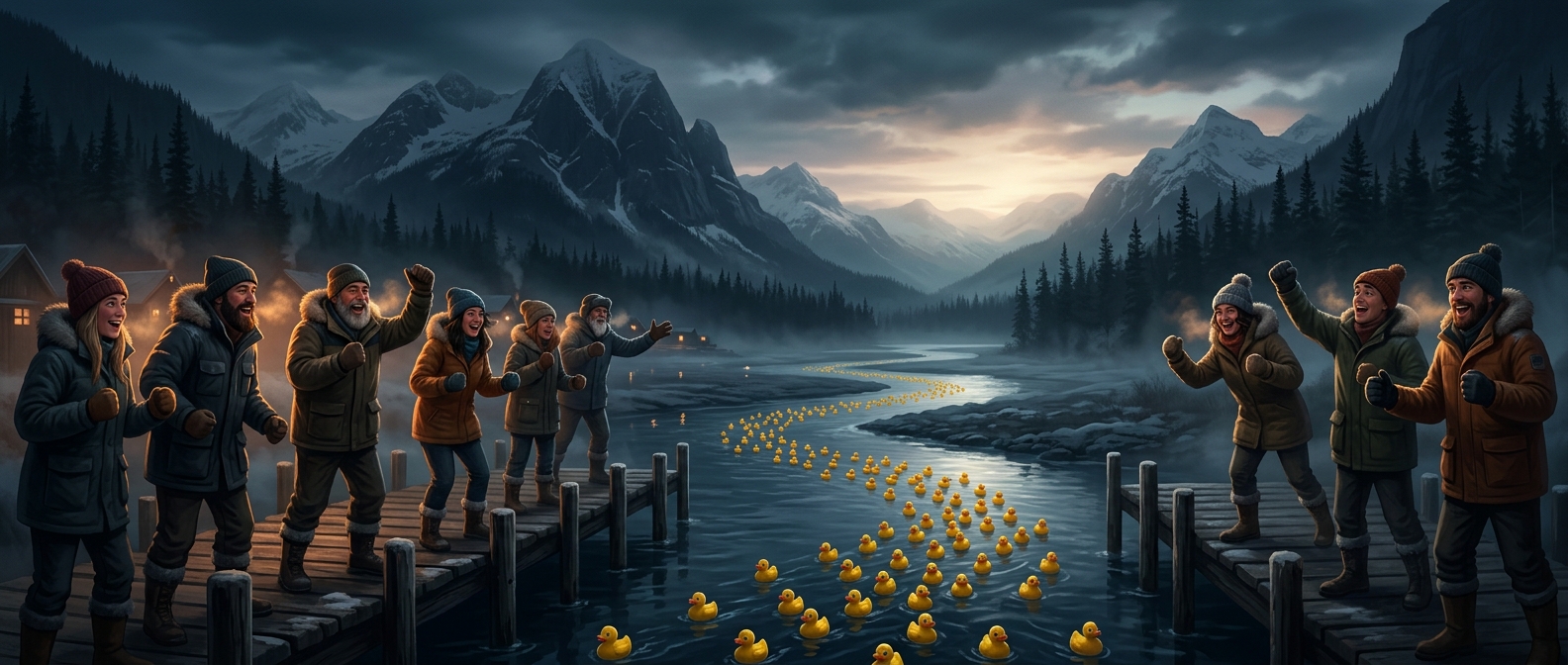
A rubber duck looks simple, but a thawing stream is a shifting maze. Water near the middle may move faster than water along the banks; rocks, submerged branches, and uneven riverbeds can create eddies—small swirls that push floating objects sideways or briefly backward. As the current changes around these obstacles, two identical ducks released close together can take different routes.
That is what makes the race unpredictable. The ducks are not steering, and their identical shapes do not guarantee identical journeys. A tiny difference in where one enters the current can send it into a faster channel while another gets caught in a slower patch.
The Thaw Is Part of the Course
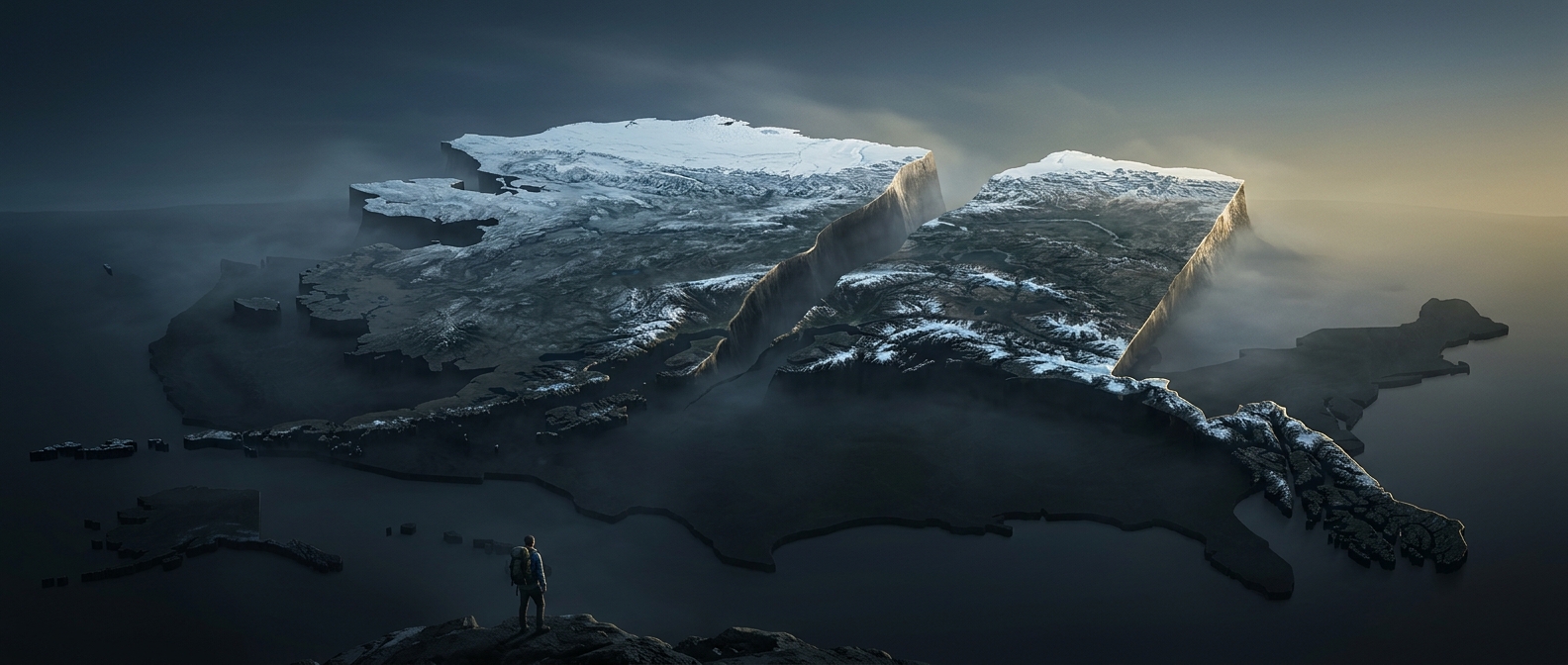
In Alaska, melting ice turns the season’s change into visible movement: water begins flowing through channels that were frozen or blocked. The course is therefore more than a stretch of stream. It is a natural system whose speed and surface can shift with the water, making the outcome hard to forecast from the starting line.
For spectators, the fun is in watching a mass of bright yellow shapes separate, bunch up, and veer around the bends. The same current that carries the ducks toward the finish keeps the race from becoming a predictable procession: each little detour is decided by the water beneath it.