What perennial philosophy means by “one truth”
Perennial philosophy is the view that the world’s religious and mystical traditions express a common underlying reality, even when their teachings and rituals look different. “Perennial” means enduring: the idea proposes that this truth appears again and again across cultures and eras.
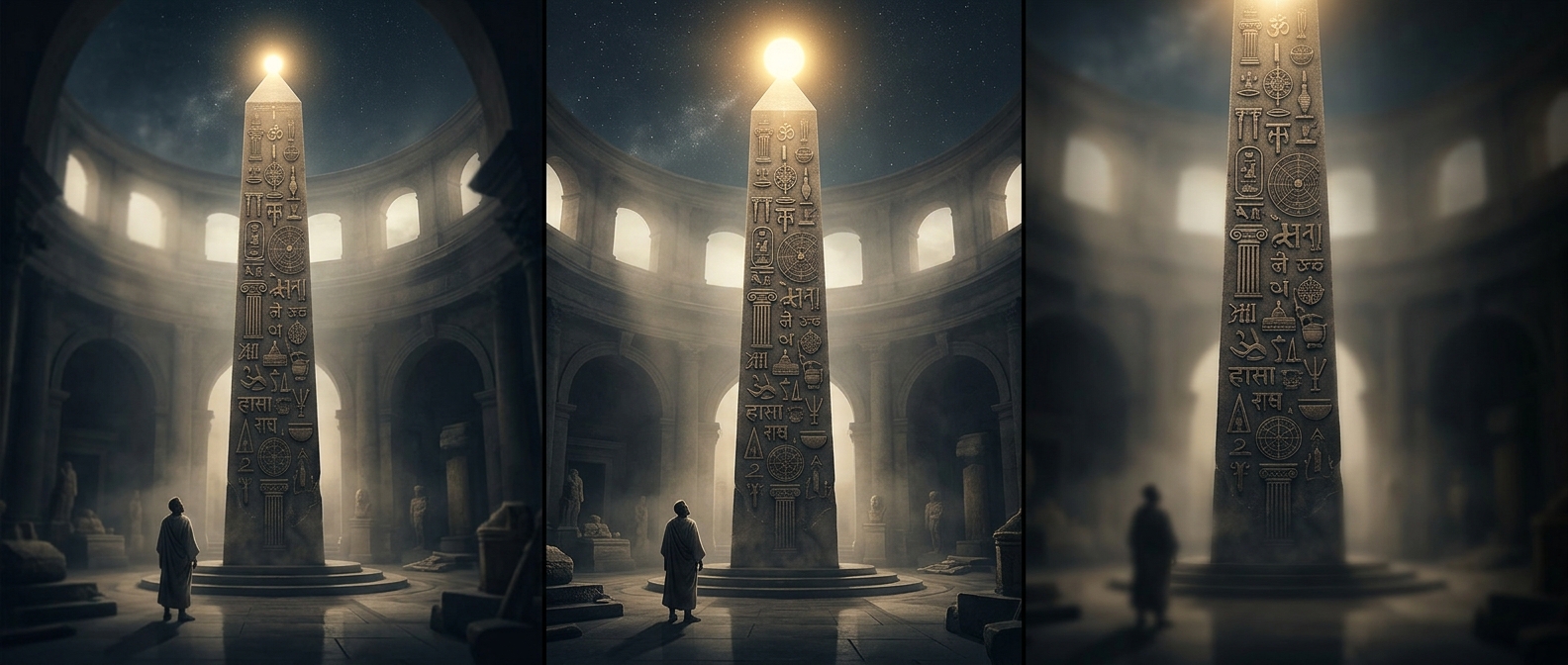
Its central metaphor is often a distinction between the message and its packaging. A tradition’s stories, symbols, rules, and names for the divine are treated as culturally shaped ways of pointing toward something deeper—such as ultimate reality, liberation, or a transformation of the self. The traditions need not agree on the surface for a perennialist to see them as related at depth.
Why the idea appeals—and where it strains
This approach offers a way to compare traditions without insisting that only one can contain wisdom. It can make unfamiliar practices seem less alien: a ritual or teaching may be understood not as an isolated custom but as one expression of a broader human search for meaning.
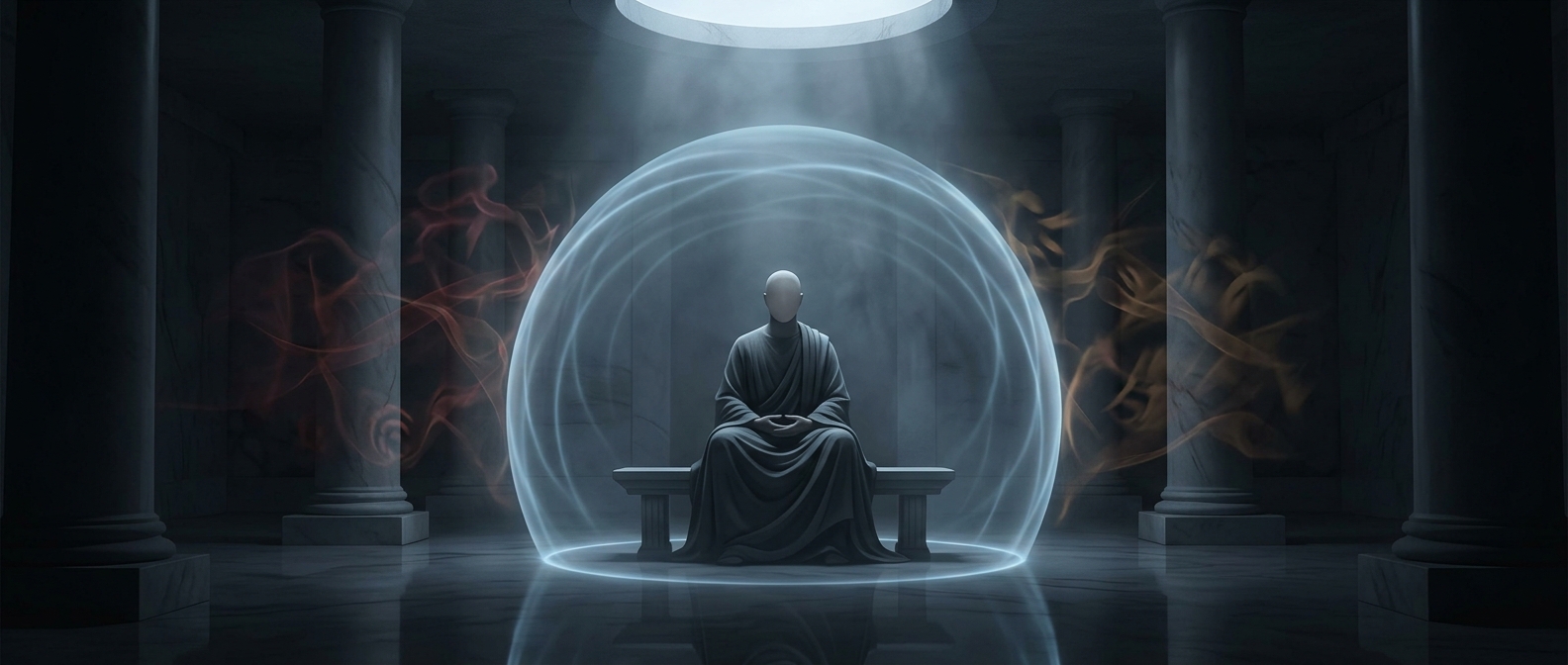
But the “shared truth” is an interpretation, not a neutral finding that all traditions themselves endorse. Religious communities may understand their doctrines as specific, incompatible claims—not interchangeable packaging. And translating different ideas into a single vocabulary can flatten the differences that matter to practitioners, including distinct views of God, the self, and what counts as liberation.
Perennial philosophy is therefore best understood as a comparative lens: it highlights possible common ground while risking the loss of what is particular. Its key question is not simply whether traditions share words or practices, but whether the similarities reveal a common reality—or reflect the assumptions of the person doing the comparing.