The Body as a Map of the Cosmos
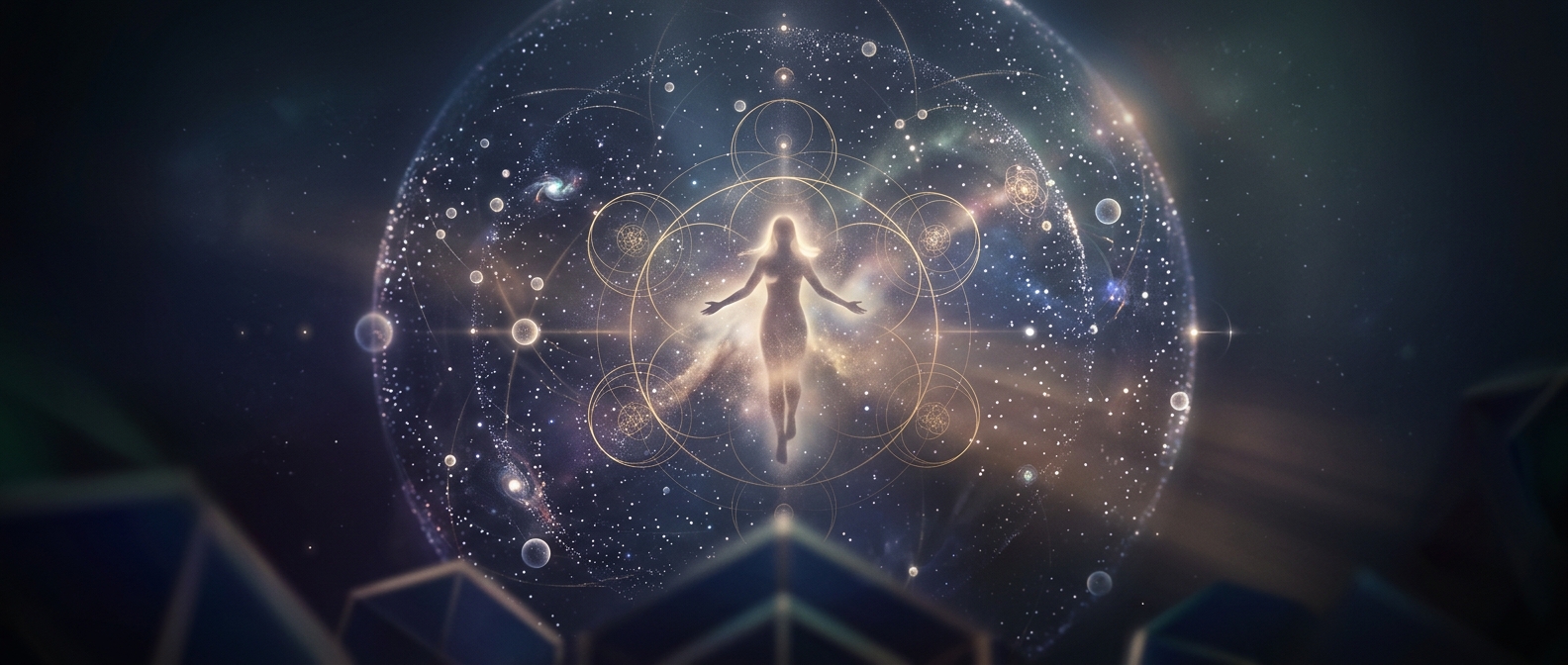
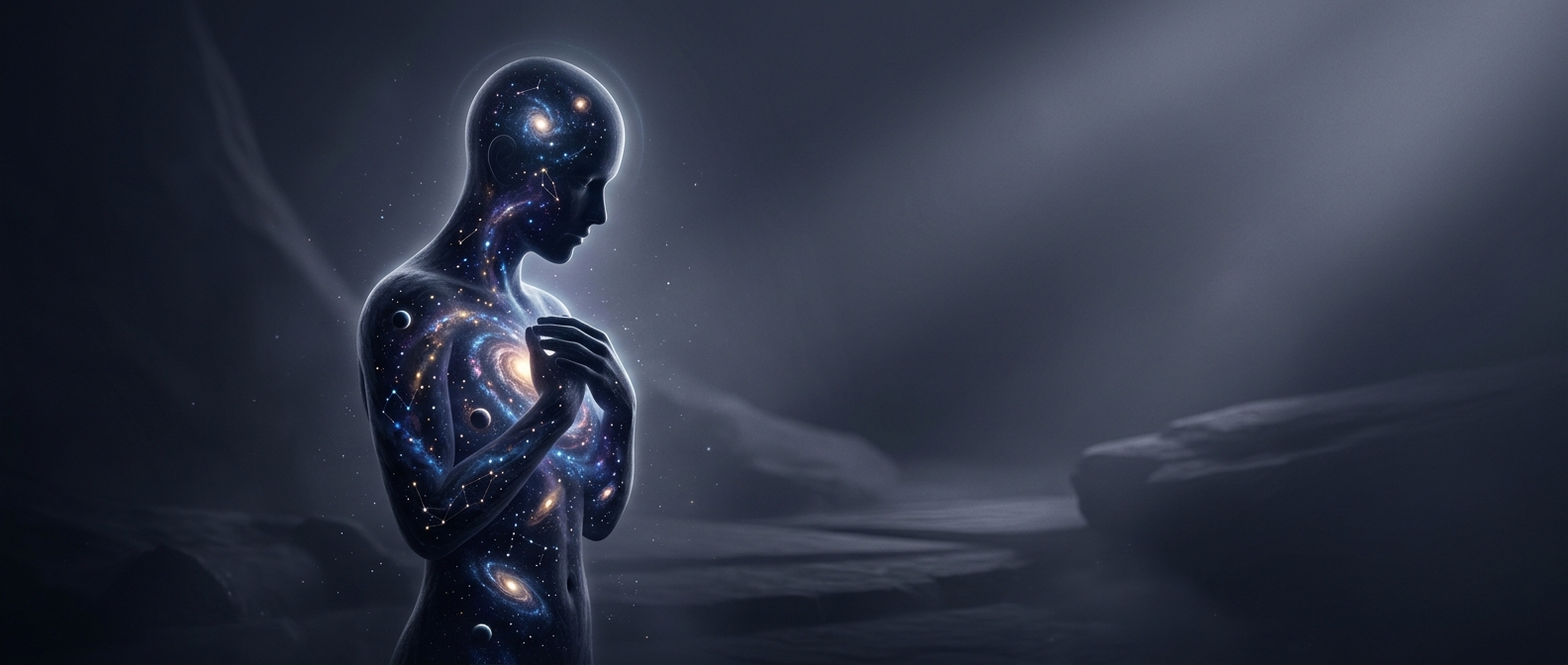
The microcosm idea treats a person as a small-scale counterpart of the larger universe. “Microcosm” means a little world; its counterpart, “macrocosm,” means the great world beyond the individual. In mystical philosophies that use this framework, the relationship is usually one of analogy: patterns thought to organize the cosmos are also imagined to appear within the human body and life.
That does not mean every star or cosmic force is believed to sit literally inside a person. Instead, the body becomes a way to picture an otherwise vast order. A tradition might connect bodily elements or processes with features of the natural world, though the specific correspondences vary. The point is the proposed pattern, not a single universal chart.
Why Make the Correspondence?
The analogy makes the universe feel legible and personally relevant. If the same order is imagined at both scales, reflection on the self can become a way of contemplating the cosmos—and ideas about cosmic harmony can offer a model for understanding human balance. The person is not separate from the world but participates in its structure.
This is a philosophical or spiritual interpretation, not a finding established by anatomy or astronomy. Its lasting appeal lies in how it changes the scale of attention: an inward experience can be read as a small echo of a much larger order.