The Sign Can Be a Cabin-Management Tool
Turbulence is the reason passengers most readily associate with the seatbelt sign, but pilots can also switch it on to keep people seated when movement around the cabin becomes a problem. A crowded aisle, passengers lining up for the lavatory, or a cabin crew member trying to move a cart can all make it harder to keep the cabin orderly and safe.
The sign is not a message that the plane is in immediate danger. It gives the crew a simple way to pause movement while they handle a busy moment or prepare the cabin for a change in flight conditions. If the crew needs passengers seated, the instruction matters even when the ride feels smooth.
Why a Smooth Flight Still Calls for Seatbelts
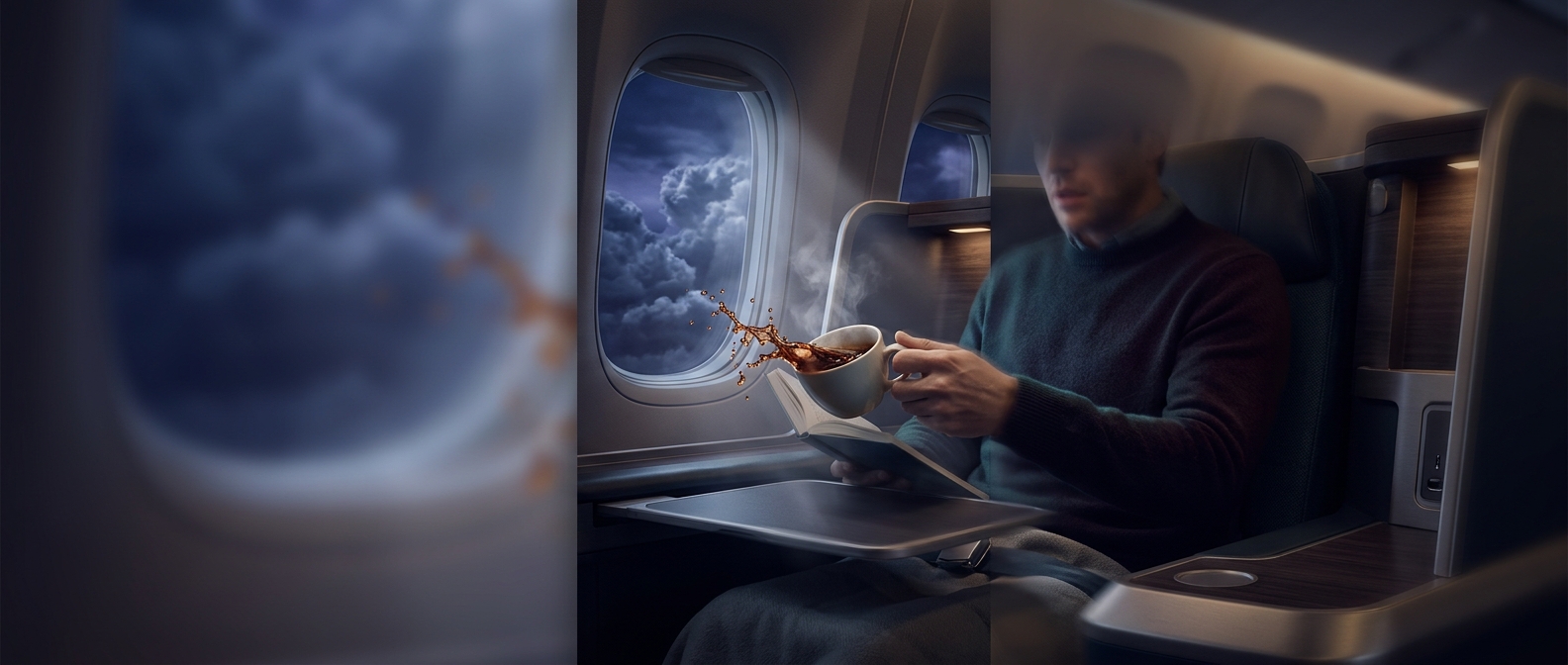
Air can become rough with little warning, and a person standing in the aisle has no restraint if the aircraft jolts. The sign also helps cabin crew do their jobs: they may need passengers out of the aisles while securing equipment or taking their own seats.
That is why the light can come on without a dramatic announcement or visible change outside. It may simply be the crew’s way of creating a safer, more manageable cabin for the next few minutes.A quiet cabin is easier to secure quickly if conditions change.