A home recording that stayed close to the song
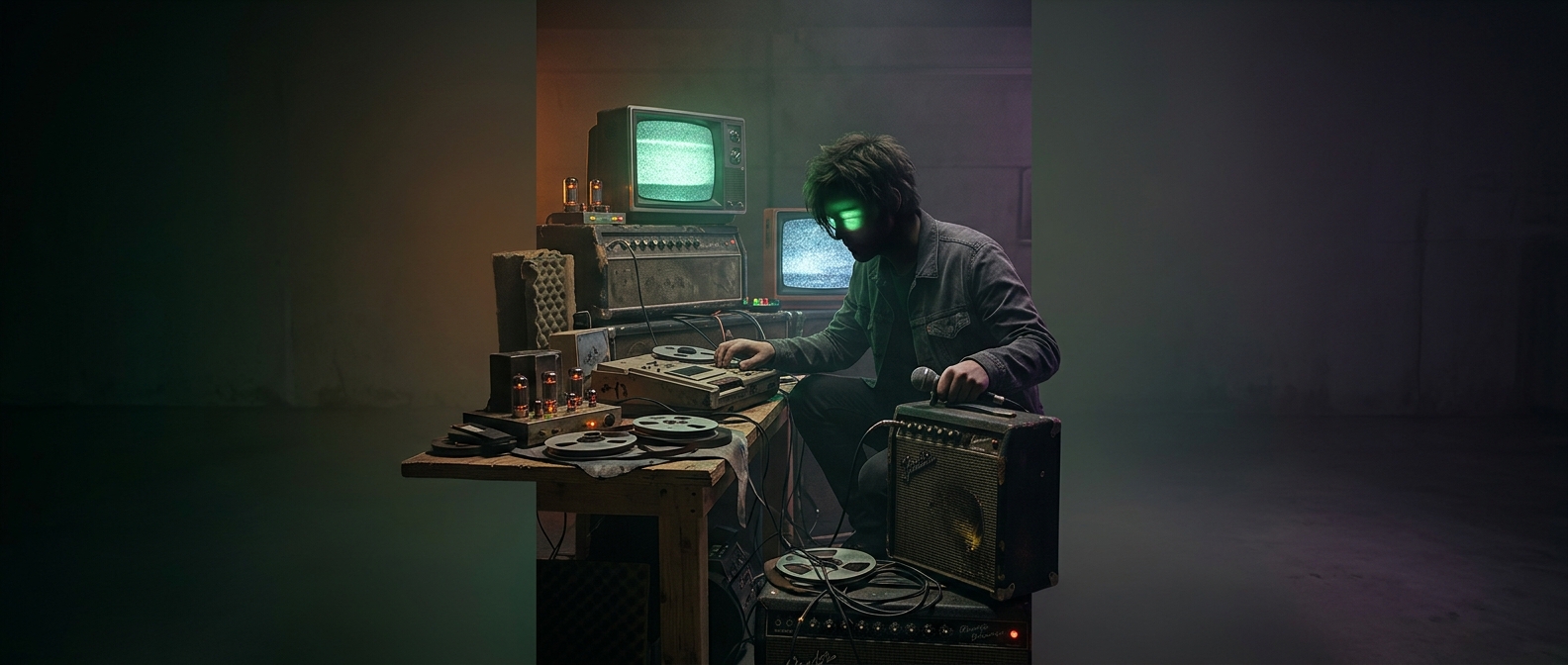
When Bruce Springsteen made the recordings that became Nebraska, he was working alone with a small cassette-based four-track recorder, not in a full studio with a band. The setup let him capture vocals and instruments at home, but it also imposed limits: the sound was narrow and rough, and the tape added a persistent hiss.
Those recordings began as demos—working versions meant to guide later studio performances. But a demo can preserve something a polished remake changes. Here, Springsteen’s voice sits close to the listener, while the sparse accompaniment leaves little to soften the songs’ stories of violence, isolation, and people running out of options.
Why the roughness mattered
Studio versions with a band could have brought greater clarity and weight. The home tapes instead made the songs feel private and immediate, as if they were being told in a room rather than performed for a crowd. Their imperfections became part of that effect: the hiss and distortion were audible reminders of the recording’s intimacy, not decorative studio polish.
Keeping the demos meant accepting the limits of the equipment rather than replacing them with a cleaner sound. That decision shaped the album’s whole atmosphere. The listener hears not only bleak stories, but also the fragile, unvarnished recordings that make those stories feel uncomfortably near.