Cyberpsychosis Is More Than a Weaponized Arm
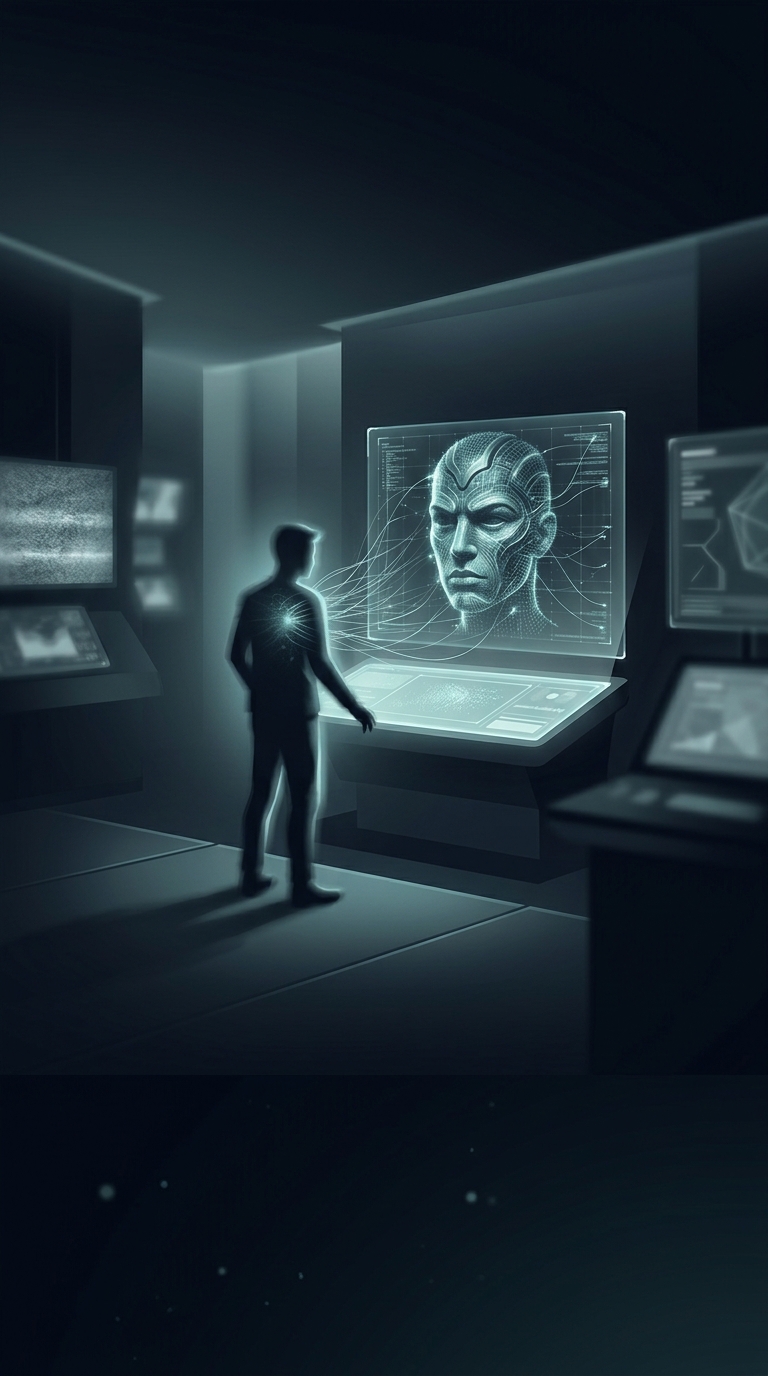
In Cyberpunk, cyberpsychosis is the frightening endpoint of a conflict between the human mind and a body increasingly rebuilt with cyberware—mechanical and electronic implants. The lore links extensive augmentation to the risk, but it does not reduce the condition to a simple rule that one replacement limb or weapon automatically makes someone lose their mind.
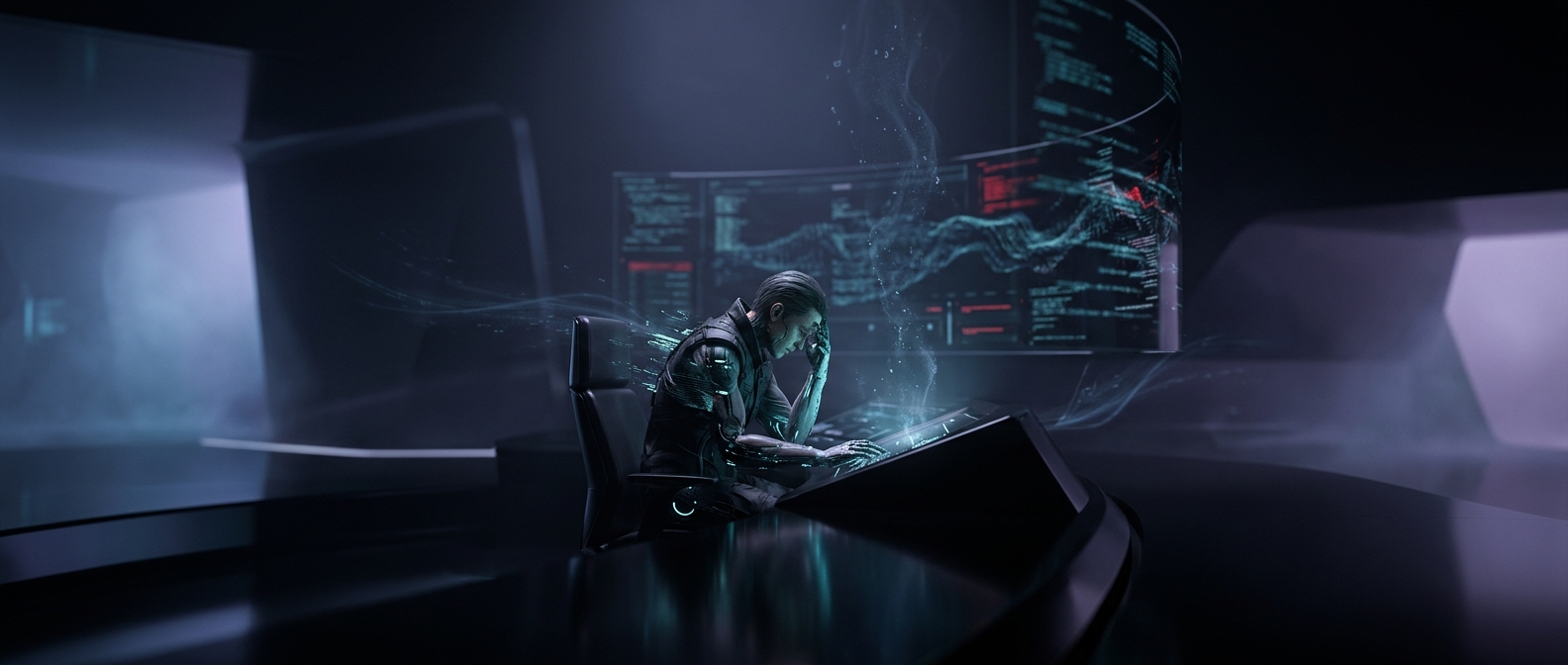
The underlying idea is that augmentation changes more than appearance. Implants can alter sensation, movement, and what a person is physically capable of doing. As those changes accumulate, the gap between a person’s sense of self and their modified body can become harder to bear. The setting also places people under severe pressures, so psychological strain and circumstances matter alongside the hardware.
Why the Game Makes It a Social Problem
That connection lets the setting turn a technological fear into a human one: when a person becomes dangerous, the cause may not be separable into “bad implant” and “bad person.” Their modifications, mental state, and life around them can all be part of the crisis. Treating cyberpsychosis as a predictable switch would flatten that tension—and make the condition less tragic.
The game’s cyberpsycho encounters put the idea in front of the player as a practical dilemma. You face people in the middle of a breakdown, not a laboratory demonstration proving that a particular implant causes madness. The distinction matters: the stories invite you to see a person in crisis, even when that person is a threat.
Cyberware in this world promises power and utility, but it can also make the boundary between person and weapon feel disturbingly thin. That is why the fear is not just that a metal arm might hurt someone; it is that a society built around constant upgrades may leave people carrying the consequences alone.