Why bowling balls were made from wood
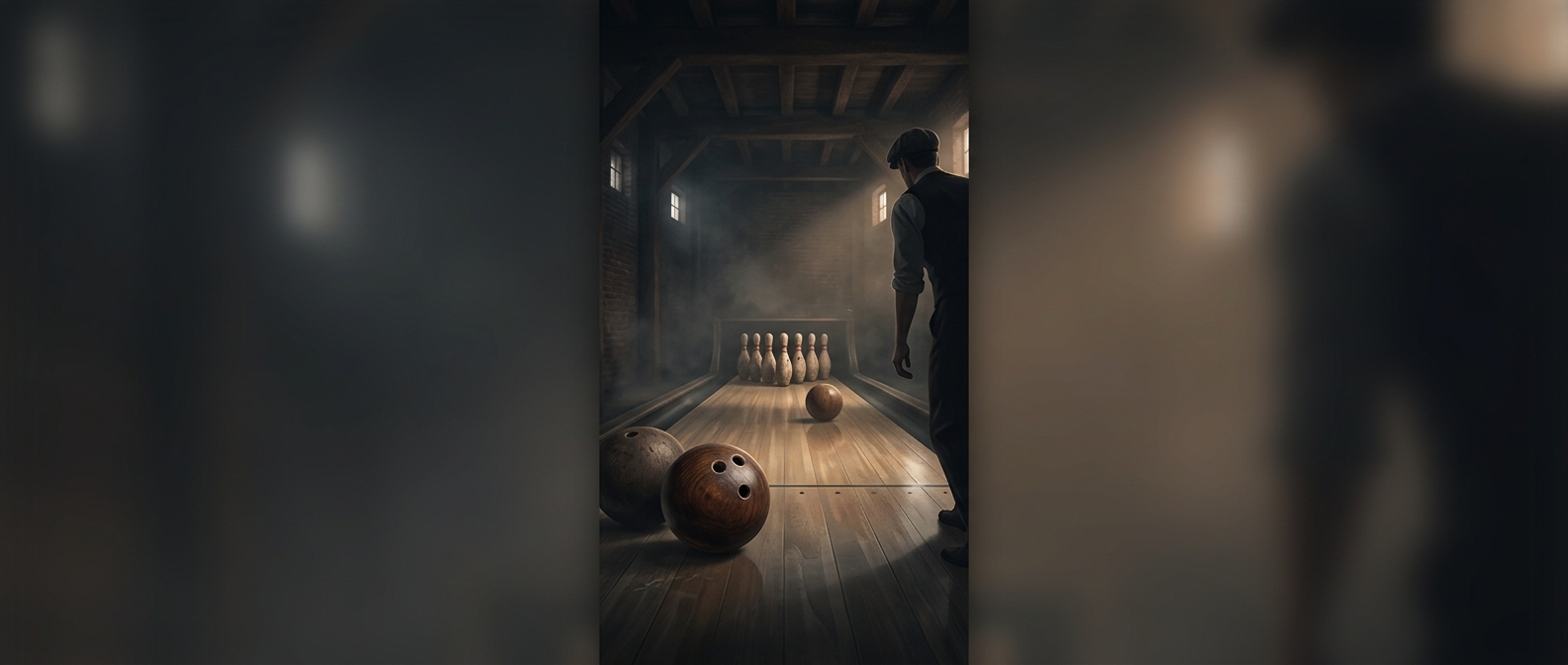
Before manufacturers could make durable balls from rubber or synthetic materials, bowlers relied on lignum vitae, an unusually dense hardwood native to the Caribbean. Its weight made it a practical choice: a ball needed enough mass to knock down pins, and wood could be shaped into a smooth, rounded form with the tools available at the time.
The lane punished the material
A bowling ball takes repeated impacts—not only when it strikes the pins, but also when it hits the lane and collides with other pins. Those blows put stress on the ball’s surface and structure. Wood could chip or split under the impacts, while changes in moisture could make it swell, shrink, or warp. A damaged or misshapen ball would roll less predictably, so its condition mattered to a bowler’s control as well as its lifespan.
Lignum vitae’s density helped, but it did not make the ball immune to wear. The combination of heavy collisions and wood’s sensitivity to its surroundings made maintaining a reliable ball a continuing challenge.
New materials changed the game’s equipment
Rubber offered a tougher alternative, and later resin-based balls gave manufacturers still more control over durability and performance. The shift was more than a materials upgrade: it made balls less vulnerable to damage from ordinary play and allowed their rolling behavior to be engineered more consistently. The wooden ball belonged to a time when bowlers had to account for the limits of the material every time they sent it down the lane.