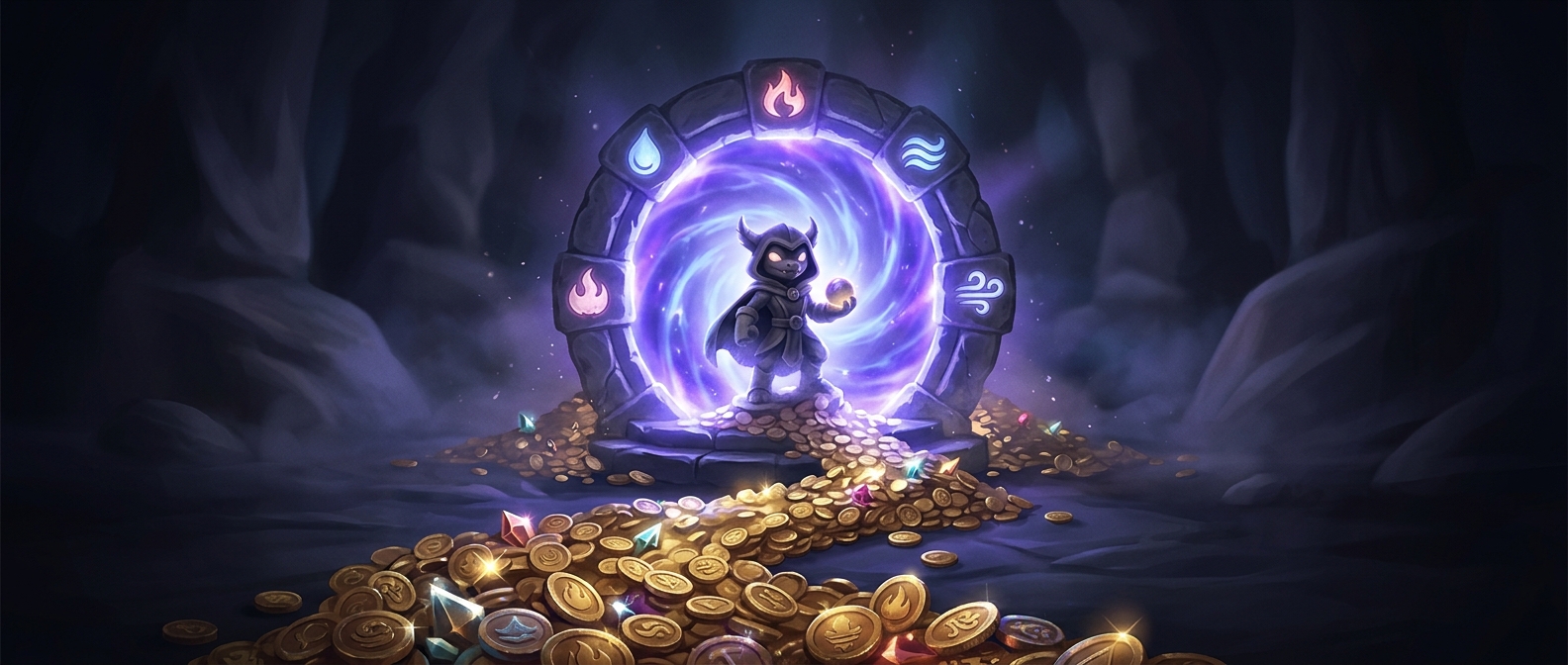
How a plastic figure became a game character
In Skylanders, the portal on the desk was more than a display stand. It read a small wireless tag inside each figure and sent that figure’s identity to the console. The game could then load the matching character, complete with its abilities and appearance. Put a different figure on the portal, and a different character appeared on screen.
That simple handoff made swapping toys part of play rather than a break between play sessions. The figures also carried character progress, so a player could take a favorite Skylander to another compatible game setup and keep using it.
The toy shelf became part of the game’s design
Because characters existed both as physical objects and as playable options, collecting had a practical effect. Different Skylanders had different strengths, and some areas or challenges were designed around particular character types. A player could borrow or buy another figure to open up more ways to play; owning a larger collection could make the campaign feel less restrictive, even though a full shelf was not simply a requirement to finish the main game.
That connection also gave the business a second product to sell alongside the game: each new figure could add a tangible collectible and a new playable character. The tradeoff was clear. A game that invited experimentation could also encourage children to spend more to get access to the full range of characters.
Why the idea caught on
The portal made the technology legible to a child: place a toy down, and it appears in the game. There was no need to explain wireless identification or navigate a character-selection menu before trying someone new. The physical figure was both a collectible and a direct input device.
That design helped establish “toys-to-life” as a recognizable game format. Its most memorable trick was also its business model in miniature: every figure on the portal could change what happened on screen—and make another figure seem worth bringing home.