Why a Drumbeat Can Seem Larger Among Stones
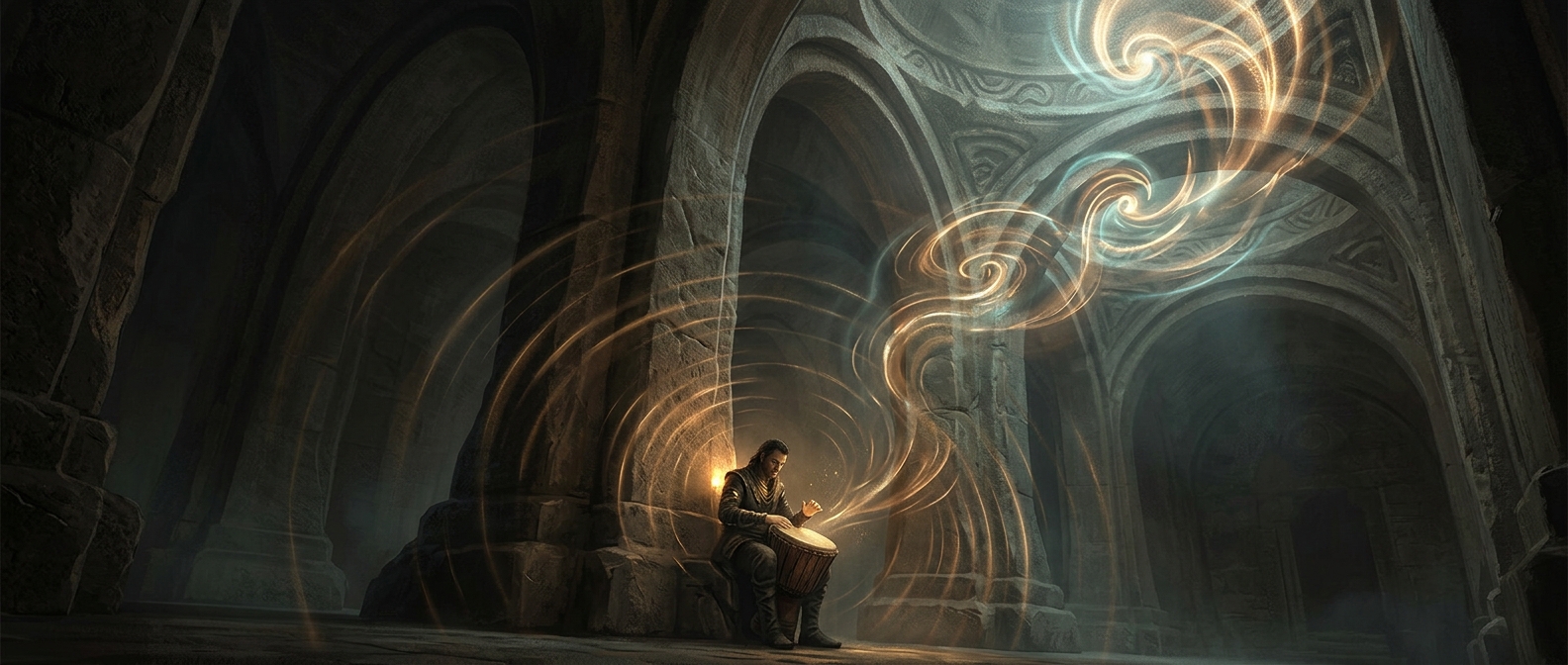
A hand drum makes a brief burst of sound, but in a close arrangement of massive stones, that burst does not travel away freely. Sound waves strike hard surfaces and bounce back. The returning sound overlaps with the next beat, making the rhythm seem fuller and more persistent than it would in an open field.
That effect is reverberation: sound continuing after its source has stopped because it keeps reflecting around a space. It is different from a stone actively producing sound. The stones mainly redirect and return the drum’s sound; the exact effect depends on their spacing, shape, and the gaps between them.
A Powerful Experience Does Not Require a Hidden Mechanism
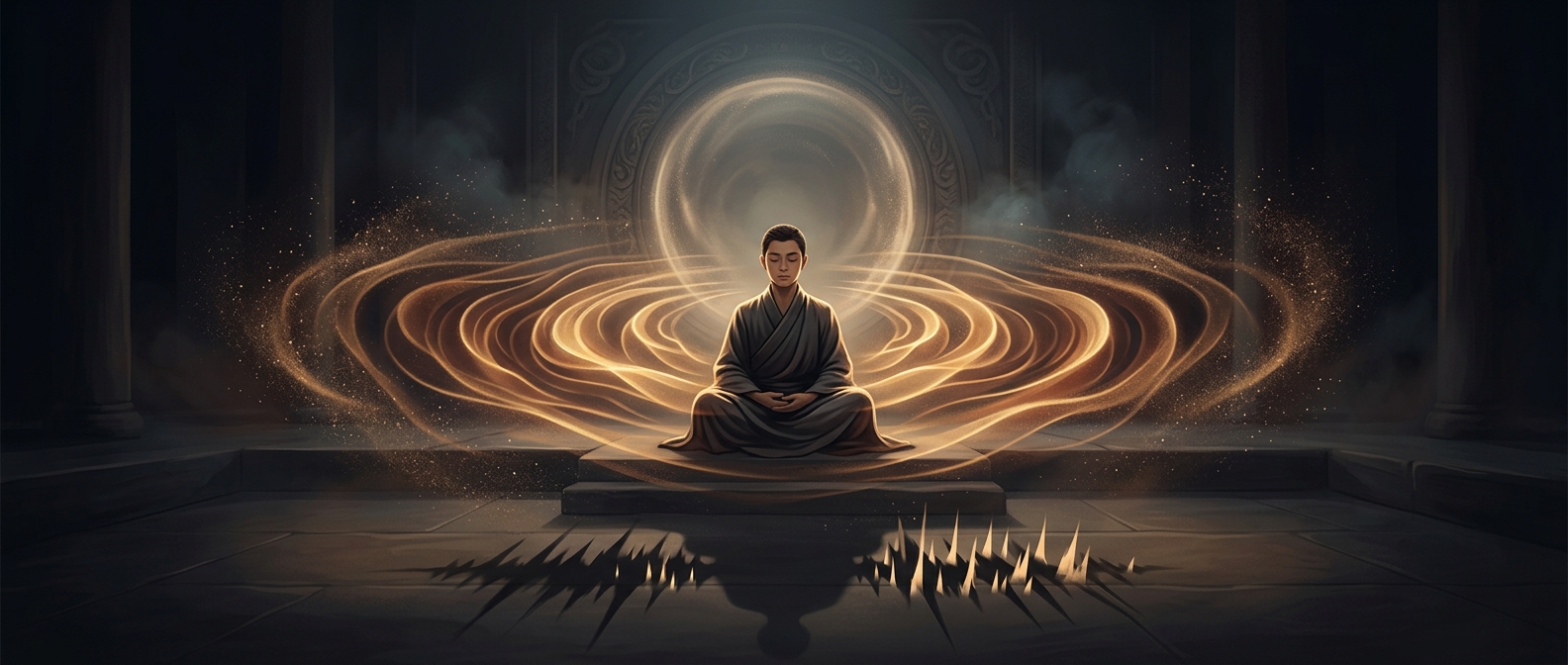
The result can feel enveloping. A beat may seem to come from several directions, and its tail can blur into the next strike. Those sensations can make a place feel charged or unusual, especially when the listener is surrounded by the structures rather than standing outside them.
That experience can matter to people without proving that the stones were built to alter consciousness. Acoustic effects arise from the arrangement itself, whether or not anyone planned them. Establishing deliberate design would require evidence beyond the fact that sound behaves strikingly there.
The simplest explanation is also easy to test: drum in the stone enclosure, then compare the sound with the same drumbeat in an open space. The beat remains the same; the setting supplies the lingering, surrounding sound.