A polo match built around an animal’s pace
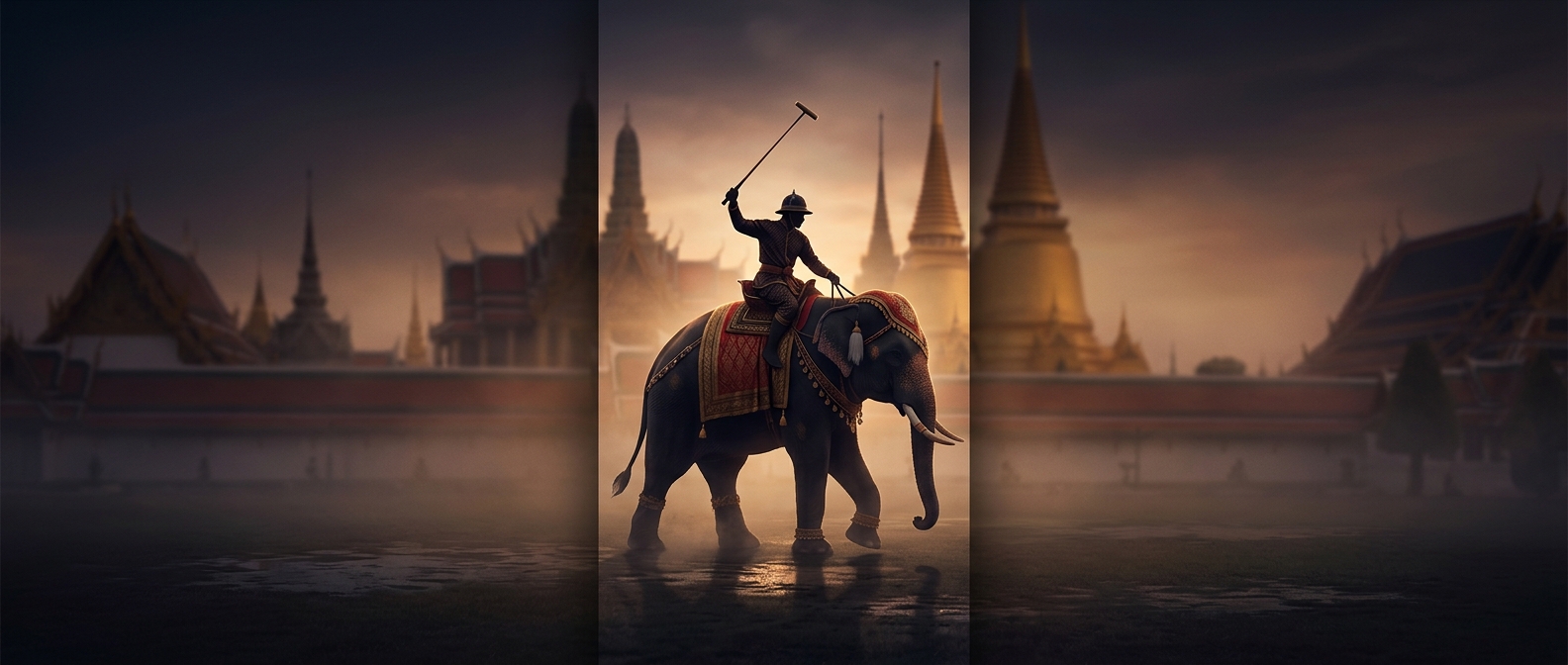
Elephant polo borrows polo’s basic aim—drive a ball through the opposing team’s goal—but changes nearly everything about how players move. An elephant cannot pivot or accelerate like a horse, so play unfolds more slowly, with broad turns and long strides shaping the route to the ball. The animal’s size makes even a modest movement consequential: a player must judge not only the ball’s position but also the elephant’s path and momentum.
The human roles are divided, too. A mahout, the person who guides and cares for an elephant, directs the animal, while a mounted player handles the mallet. That coordination is central to the spectacle: a successful shot depends on two people acting together from a moving platform, rather than on a single rider steering and striking at once.
The spectacle has a cost
In Thailand, elephant polo has been presented as a tourism attraction, turning the familiar image of polo into a much larger, slower contest. But the same feature that makes it memorable—the elephant—is also why the sport raises questions that ordinary polo does not. A match requires elephants to carry people and respond to commands amid a crowd, noise, and movement; whether those conditions are acceptable depends on how the animals are kept and handled, not just on what happens during play.
That tension is part of the story behind the spectacle. The game looks like a contest between teams, but its pace and outcome depend on the animal’s comfort, training, and willingness to move. The mallet may draw the eye; the elephant’s experience determines what the match actually costs.