The brief grace period after a ledge
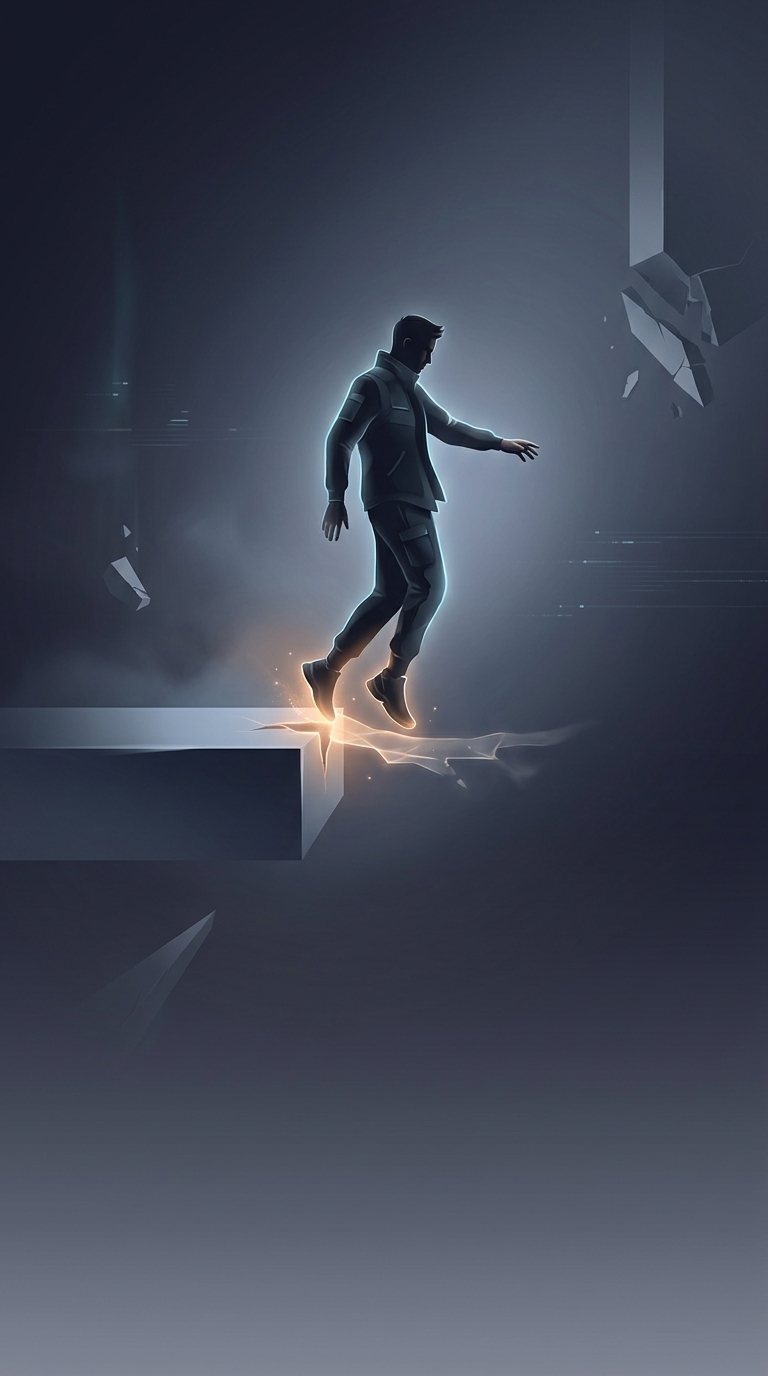
That extra moment is usually called coyote time, a name borrowed from cartoons in which a character can keep running briefly after leaving a cliff. In a game, the jump button can still trigger a jump for a short window after the character is no longer standing on solid ground.
The game tracks when the character last touched a platform. If the player presses jump just after that contact ends, the game treats the press as if it happened a little earlier. The character jumps from the air near the ledge instead of simply falling.
Why the timing matters
Without this allowance, the player has to press jump before the character’s feet visibly clear the platform. That can feel unfair: the on-screen image and the game’s collision rules do not always line up perfectly, and players cannot react with frame-by-frame precision. A tiny grace period makes the control feel more responsive without removing the need to judge a jump.
Designers can tune the window to suit a game’s pace and difficulty. A generous one makes movement forgiving; a narrower one keeps precise timing central. It is often paired with jump buffering—remembering a jump press made just before landing—so a player can press slightly early or late and still get the intended action. Together, these small allowances help a platformer feel controlled rather than fussy.