A mirror asks the game to render the world twice
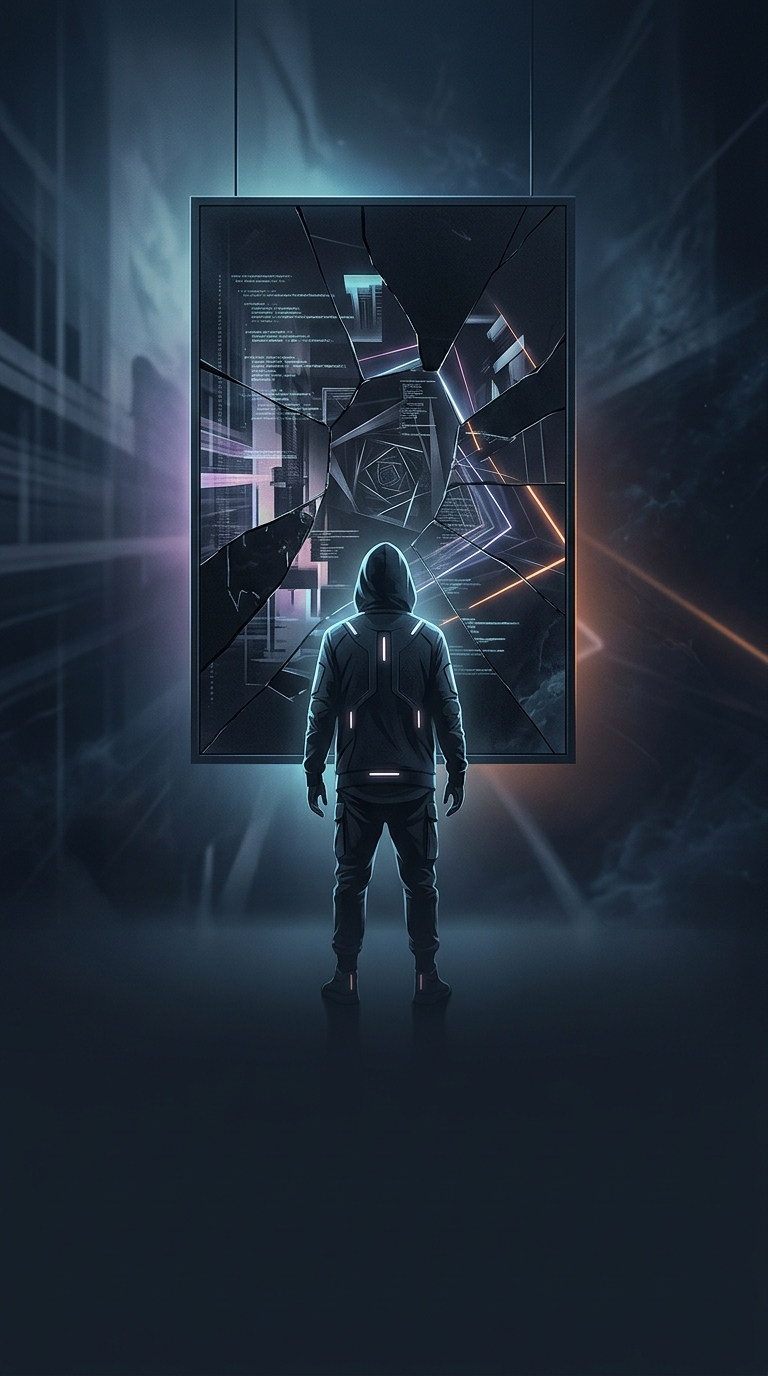
A mirror does not simply flip the image already on the screen. To show what lies behind the player, the game must create a view from a virtual camera on the other side of the mirror, reflected across its surface. For a flat mirror, that camera is a mathematical reflection of the player’s camera. The scene is then rendered from this new viewpoint and mapped onto the mirror.
That extra view can mean drawing much of the environment again: characters, lighting, shadows, and effects all have to appear in the right place. Even if the mirror covers only a small part of the screen, the game still has to work out what the reflected camera can see. On hardware with a tight frame-time budget, that expense competes with the work needed to draw the main view smoothly.
The reflected view has to hold together
A mirror is unforgiving because players know how reflections should behave. A character’s movement, a doorway’s position, or a light source that fails to line up can make the surface feel fake. Developers may need to adjust which objects are rendered, how the reflected view is clipped at the mirror’s edges, and how its resolution and effects are handled. These choices are especially visible when the player moves close to the mirror or looks at it from an angle.
Some techniques save work but come with limits. Screen-space reflections, for example, use information already visible in the main image. They can be efficient, but cannot reliably show objects outside the camera’s view, so reflections may vanish or break at screen edges. Ray tracing can calculate reflections more flexibly by following simulated light paths, but it also costs processing time and may require compromises in quality or resolution.
One mirror can reveal another problem
A mirror reflecting another mirror creates a chain of reflections: each image would need to contain another reflected view, and so on. Games usually limit or simplify that chain rather than render it without end. The practical challenge is not merely making a surface shiny; it is deciding how much of the world the game can afford to reproduce while keeping the image convincing and the rest of the game running at its target speed.