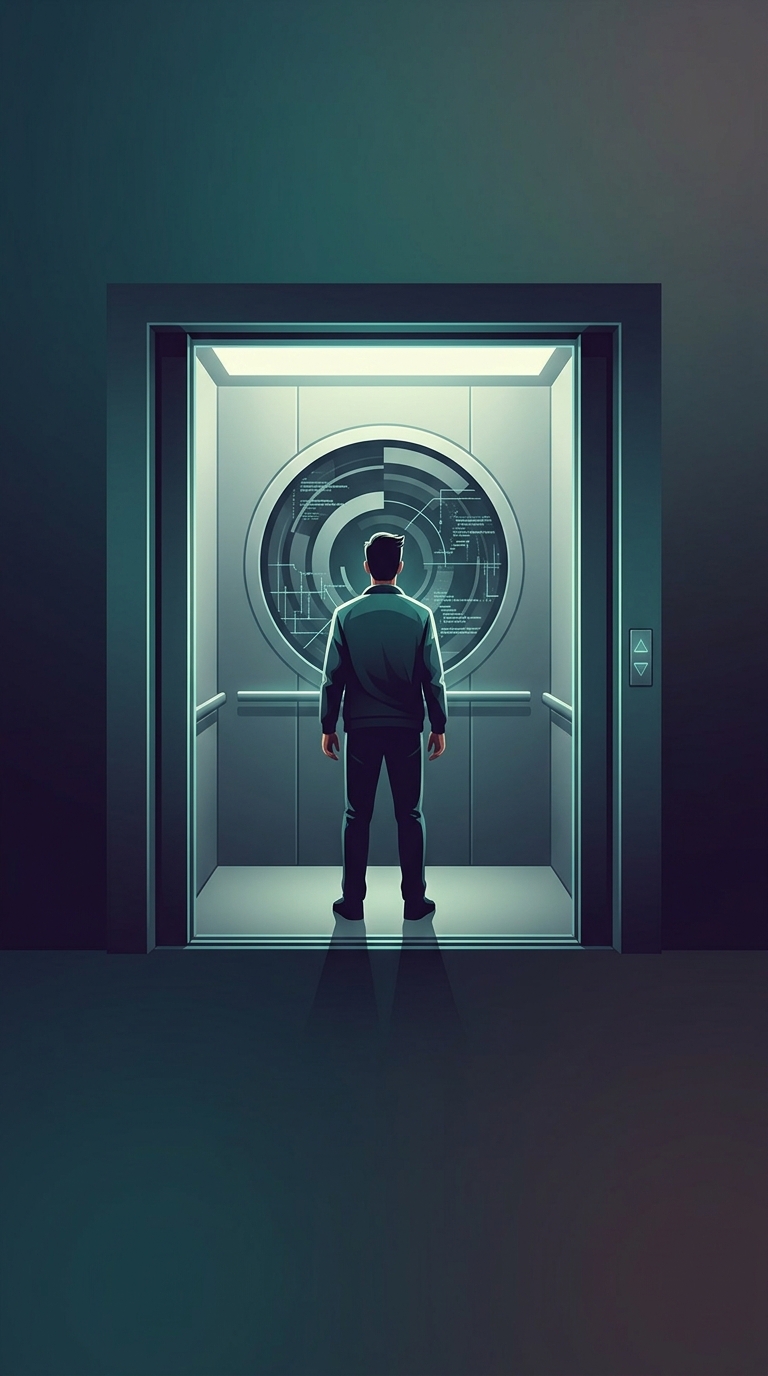
The elevator is a room-sized loading screen
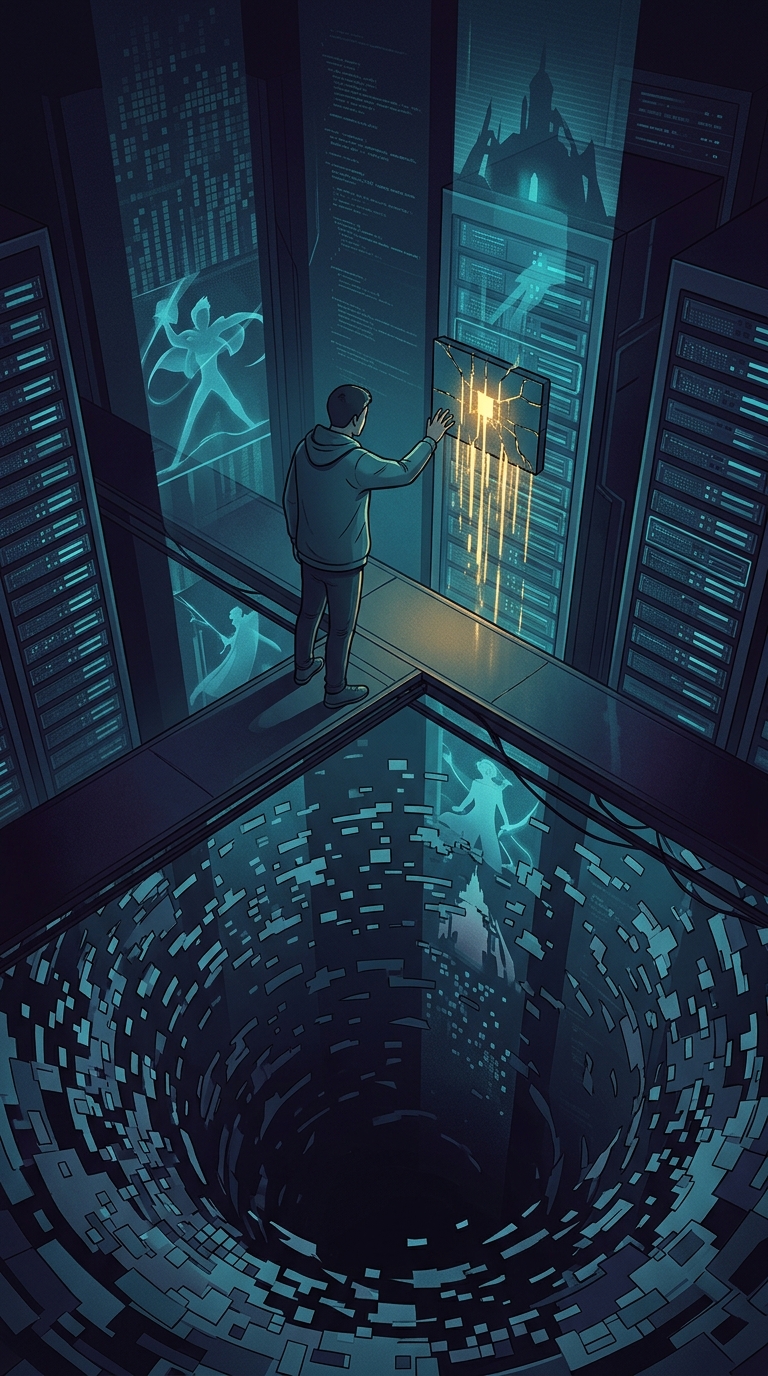
A game world is too large to keep every texture, sound, animation, and detailed environment ready in memory at once. As players move, the game engine brings nearby content in and lets go of content that is no longer needed. This process is called streaming.
An elevator gives the game a controlled stretch of time to do that work. Its walls block the view of the destination, and its slow ride keeps the player occupied while the next area loads. When the doors open, the game can reveal a newly assembled space rather than showing scenery popping into place.
A pause that still feels like play
Unlike a blank loading screen, an elevator can keep the player inside the fiction. The ride may include a conversation, a change in music, or a glimpse through a narrow window. These details give the wait a mood and a purpose: a quiet ride can ease tension, while a rattling, delayed ascent can make the destination feel threatening.
That timing is also useful to designers. The player is temporarily contained, so the game can control when the next room appears and what the player notices first. The elevator is not always there solely to cover loading, but its enclosed trip can make a technical transition feel like part of the story.
Why this small room matters
The tradeoff is deliberate: players surrender a little freedom of movement in exchange for a smoother transition and a more carefully staged reveal. The next time an elevator seems oddly slow, it may be carrying more than the character—it may be giving the game time to build the world waiting behind its doors.