How Toy Story 2 Nearly Vanished
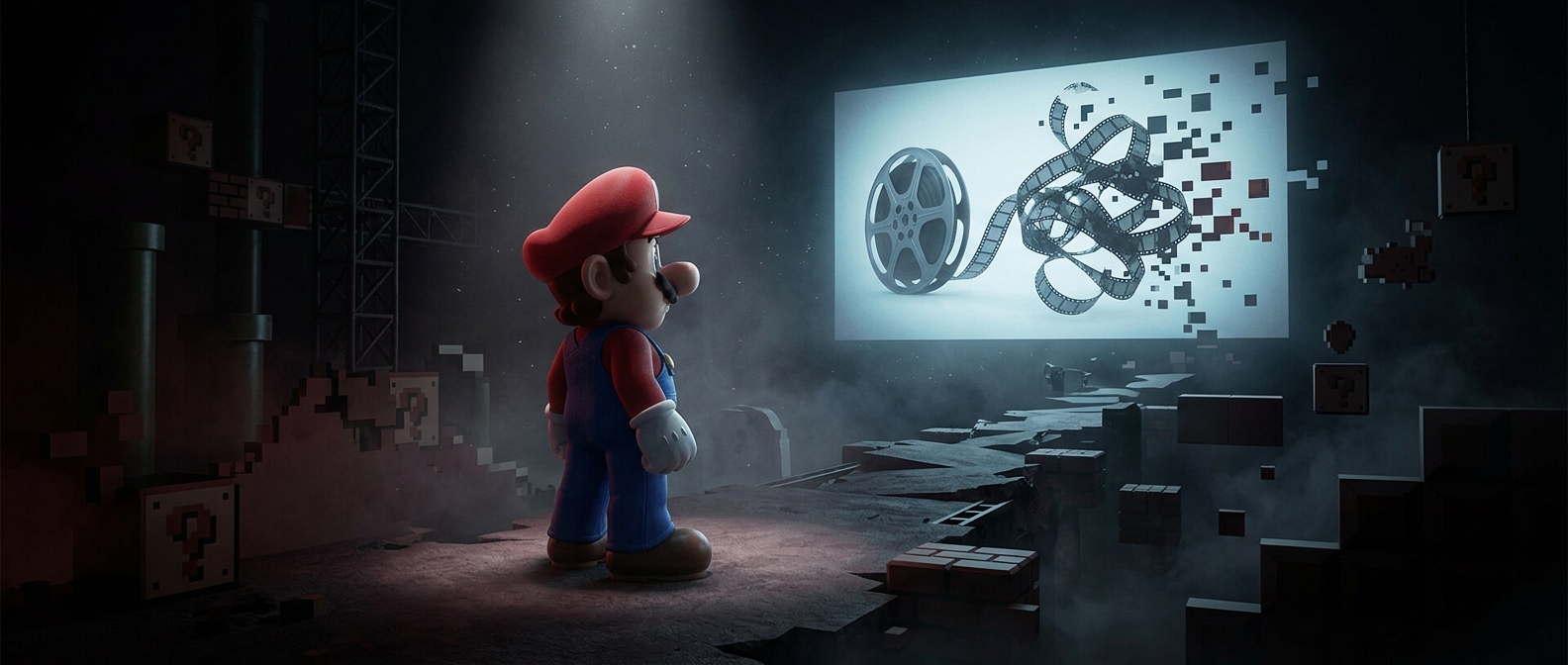
An animated feature is not one giant movie file while it is being made. It is a changing collection of digital pieces: character models, sets, animation, lighting, and scene data, all assembled and rendered into the images audiences see. If the files that organize those pieces disappear, the film can become unusable even if no one has destroyed a finished copy of every frame.
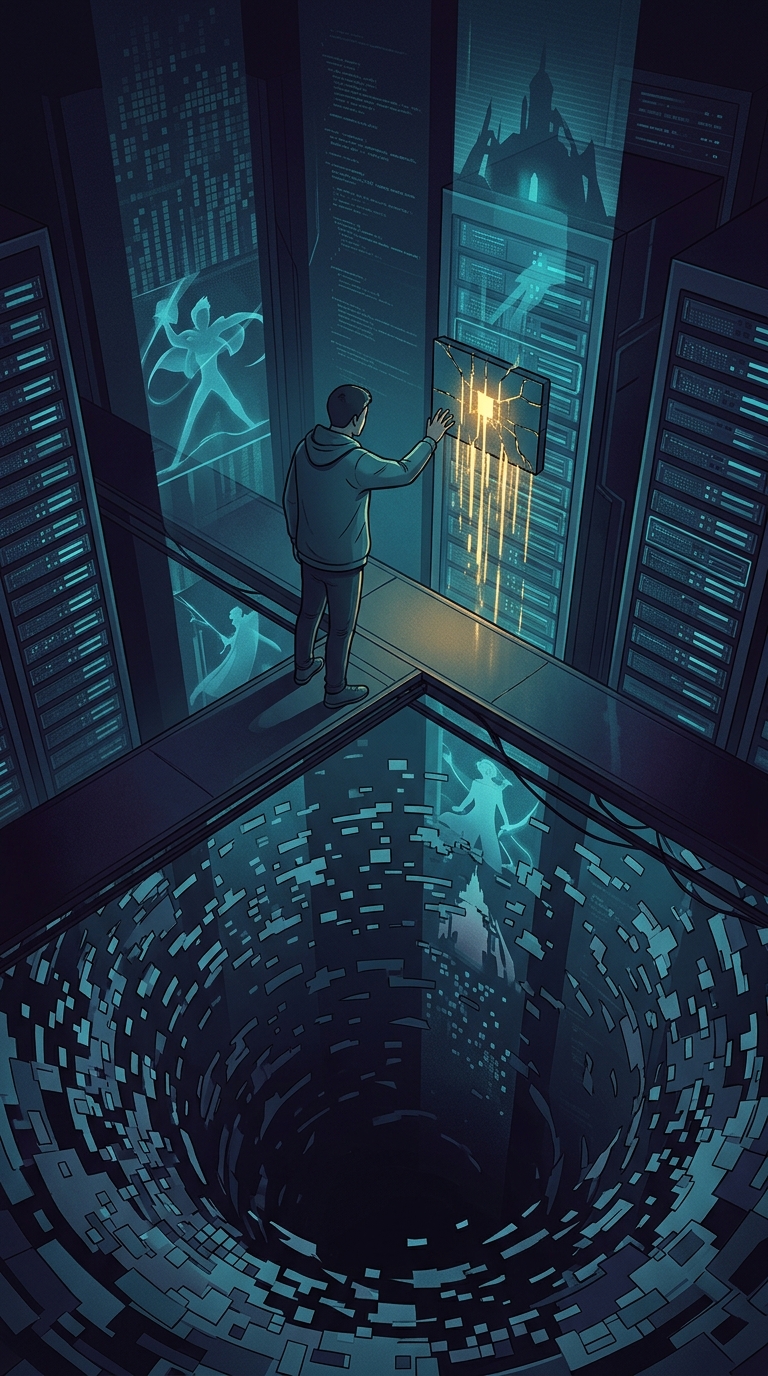
That distinction made an accidental deletion at Pixar so alarming during production of Toy Story 2. A command meant to clear files instead began removing the project’s working data. The team stopped the process, but some files were already gone. The studio’s backup system could not provide a dependable replacement, leaving the production in danger of losing months of work.
The Copy That Wasn’t at the Studio
The rescue came from supervising technical director Galyn Susman. She had a recent copy of the film’s files on a computer at home, where she had been working. Pixar staff retrieved that machine and used its contents to restore the project.
This was not a copy of the finished movie waiting on a shelf. It was a snapshot of the production’s digital work at an earlier point. The studio still had to account for anything created or changed after that snapshot, and the recovered files had to be brought back into the production’s workflow.
Why the Close Call Changed the Stakes
The episode showed how a film studio’s creative work depends on less visible infrastructure: file permissions, storage, and backups that are actually tested. A single mistaken command could threaten an entire production when so much of the film existed as interconnected data.
Susman’s home copy bought Toy Story 2 a way back from the loss. The lasting lesson was practical: a backup is only protection if it exists somewhere safe and can be restored when the original files are gone.