A close-up can make a small toy look substantial
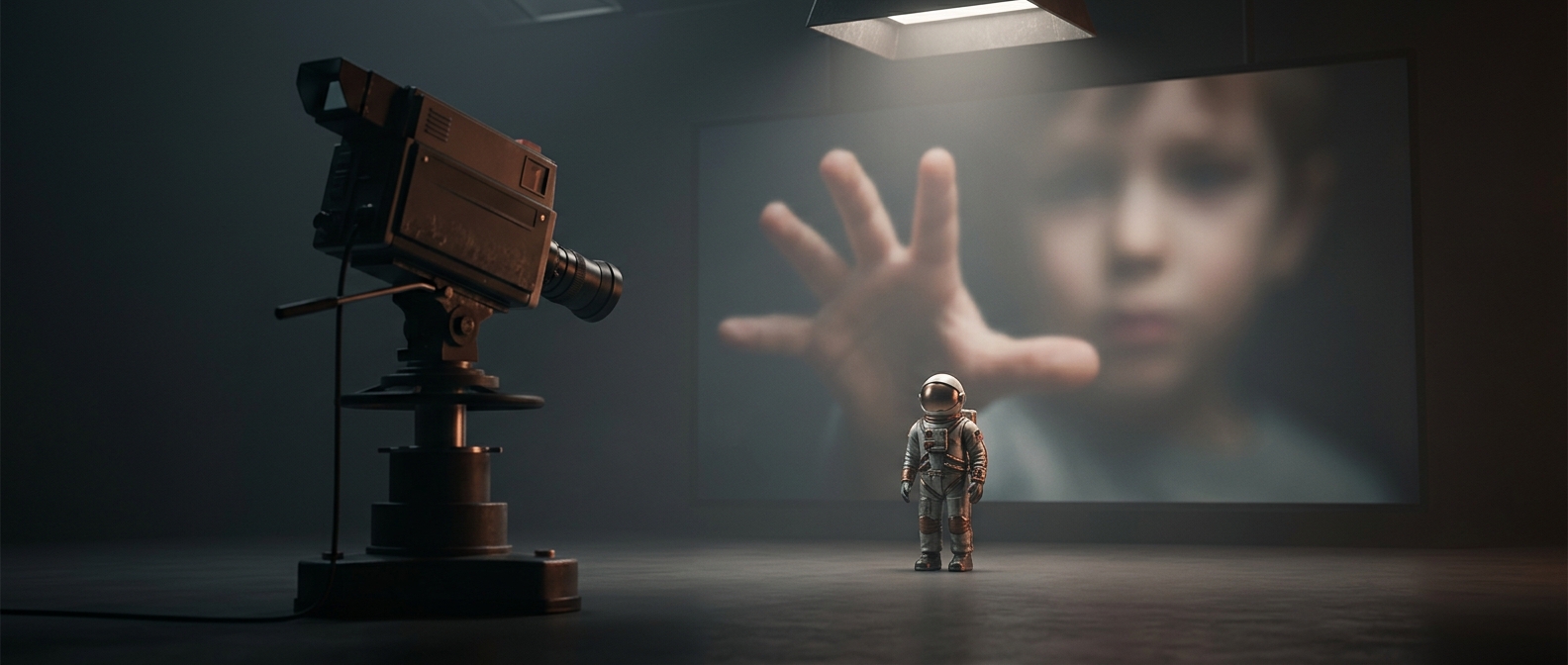
Product photography can distort a toy’s apparent size without changing the toy at all. A camera placed close to an object makes it loom in the frame; tight cropping removes the table, room, or other familiar objects that might reveal its scale. A child seeing only the toy may have little basis for judging whether it fits in a palm or fills a backpack.
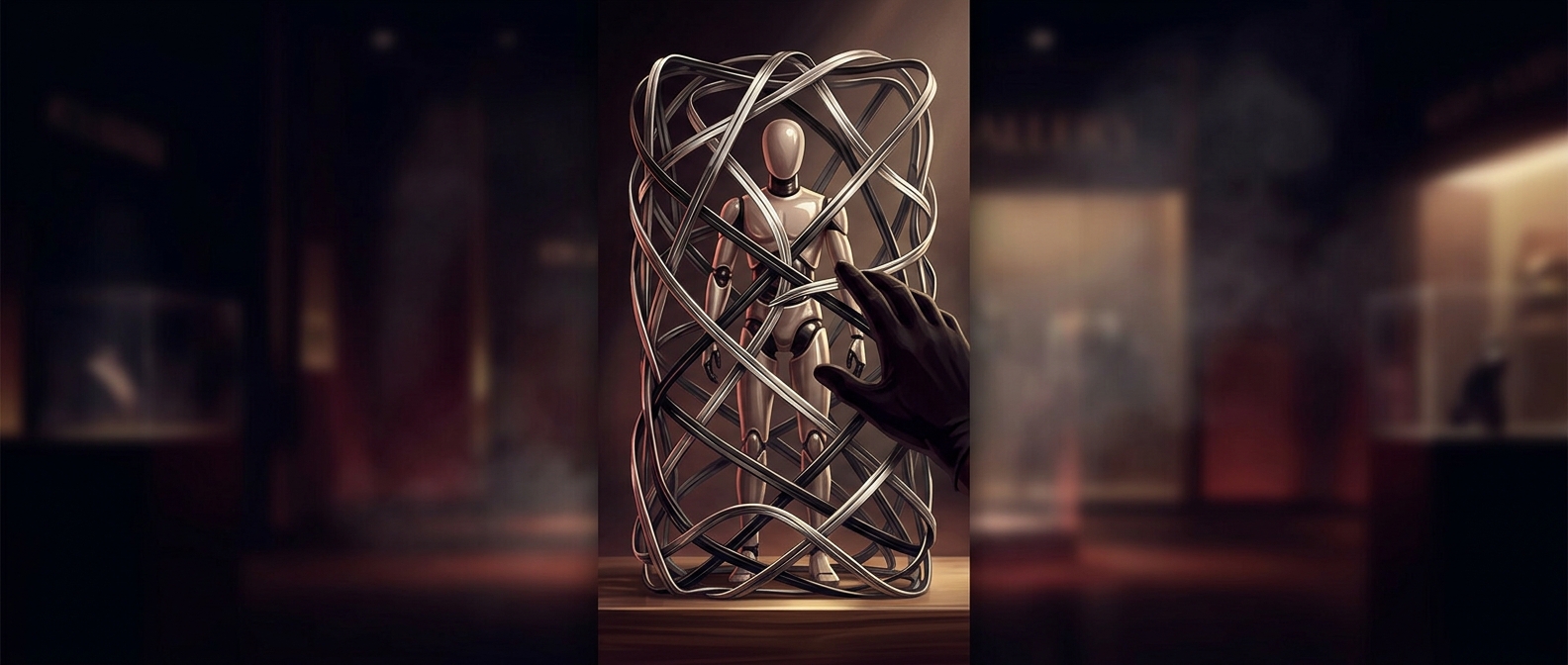
Showing the toy in a normally sized hand supplies a visual ruler. The eye can compare the toy with a familiar object—the hand—and estimate its proportions more reliably than from a product shot alone. That matters especially for miniature toys and playsets, where a dramatic close-up can make tiny parts appear much larger.
Scale is part of what the ad promises
A toy’s size affects what a buyer expects to do with it: carry it, handle its pieces, or fit it into a play scene. If the image suggests a larger object than the one delivered, the mismatch can disappoint children and mislead the adults buying it. Requiring a clear size reference helps connect the appealing image to the physical product.
The hand is not a perfect measuring instrument—people’s hands differ, and camera angles still matter—but it gives viewers a familiar point of comparison. The practical test is simple: can a child tell, before asking for the toy, whether it is a palm-sized figure or a much larger plaything?