How a meaningful symbol becomes souvenir decoration
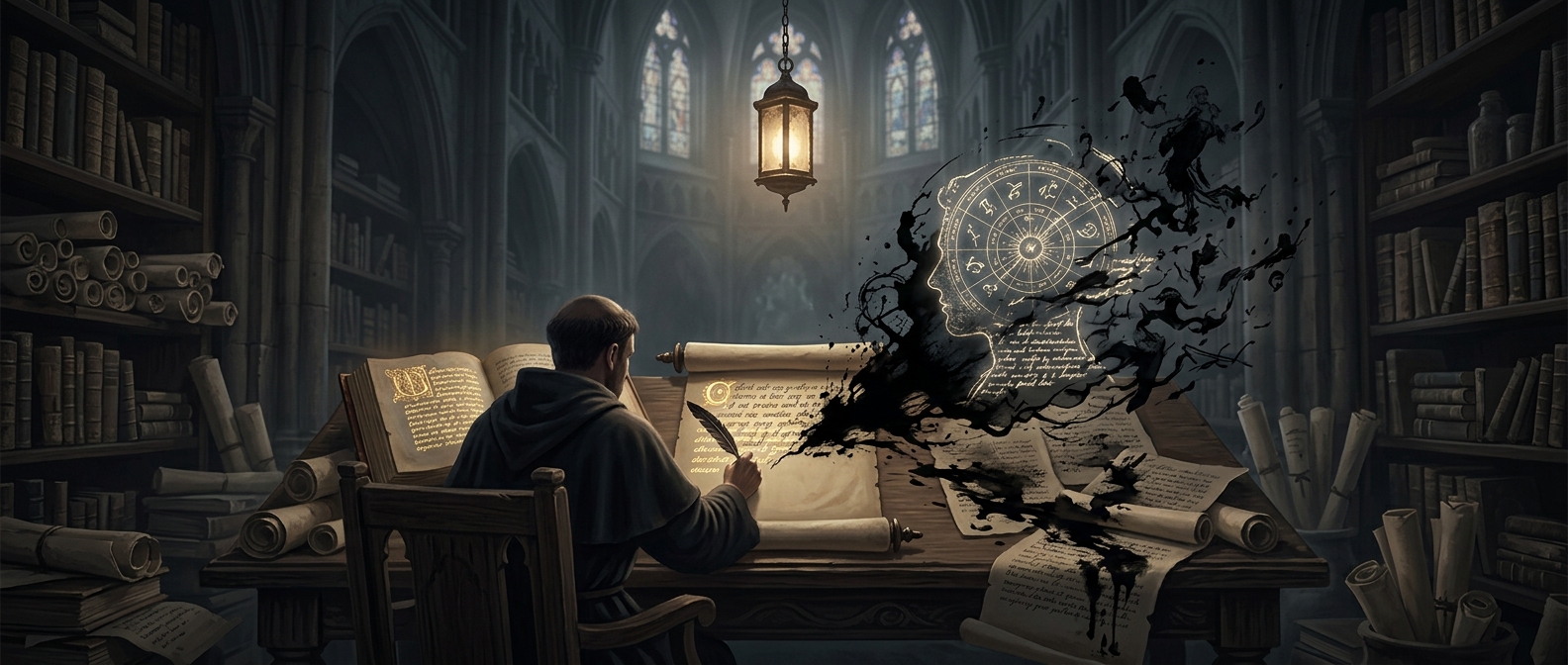
A symbol can look convincing as a pattern even when it is wrong as writing. In languages and traditions that use distinctive glyphs, orientation, spacing, and the relationship between marks can all matter. Turn a design upside down, reverse it, or combine pieces from unrelated systems, and the result may still look ornate to an unfamiliar shopper—but no longer say or represent what the maker intended.
The copying chain leaves room for mistakes
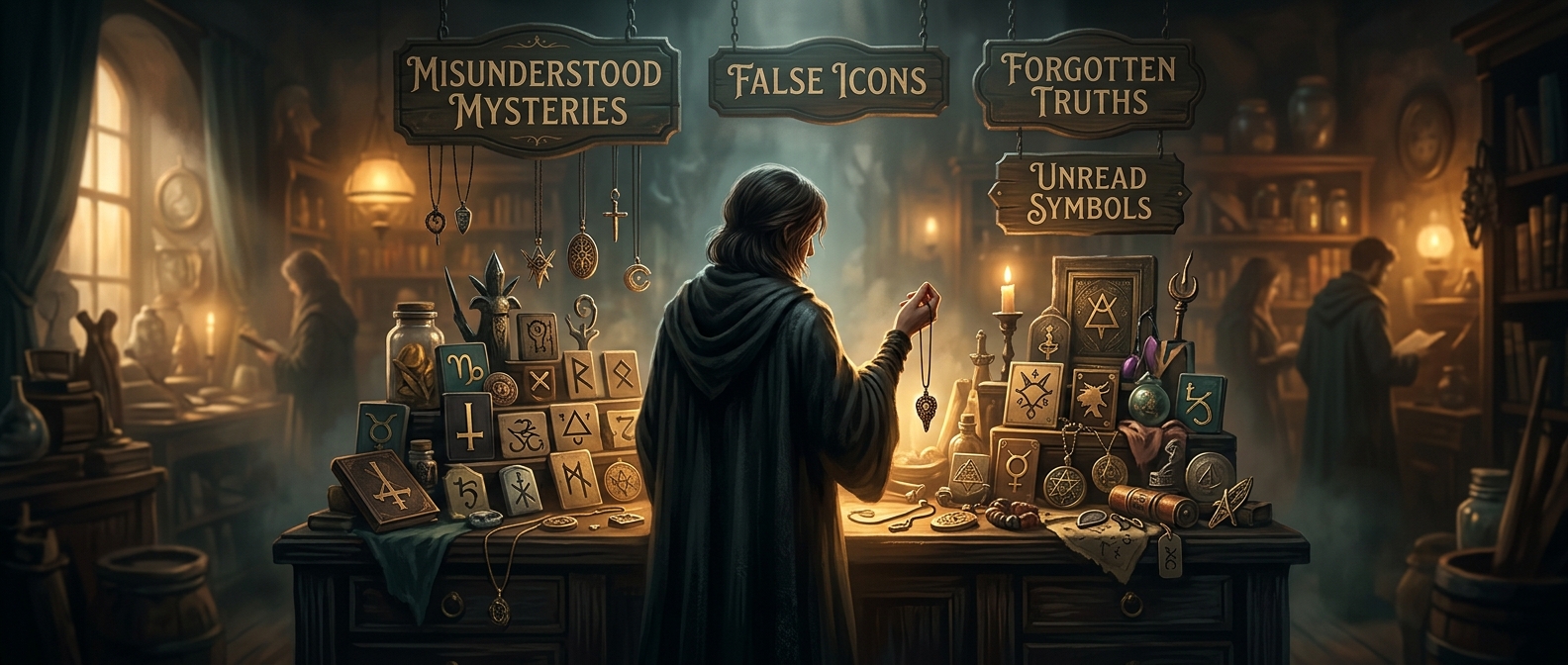
Souvenir designs often pass through several steps: someone selects an image, adapts it for a product, and reproduces it on fabric, pottery, jewelry, or packaging. If the source image is misunderstood—or if a mark is rotated to fit a layout—the error can survive into production. Once a symbol is treated mainly as a visual motif, its original context is easy to lose.
That is why a design can seem coherent to a visitor while looking plainly incorrect to someone who reads the script or knows the tradition. The object may be sold as a sign of cultural meaning even when its marks have been scrambled. A small detail, such as the direction a glyph faces, can separate a meaningful inscription from decoration that only resembles one.