Why a Whisper Makes a Haunting Feel Close
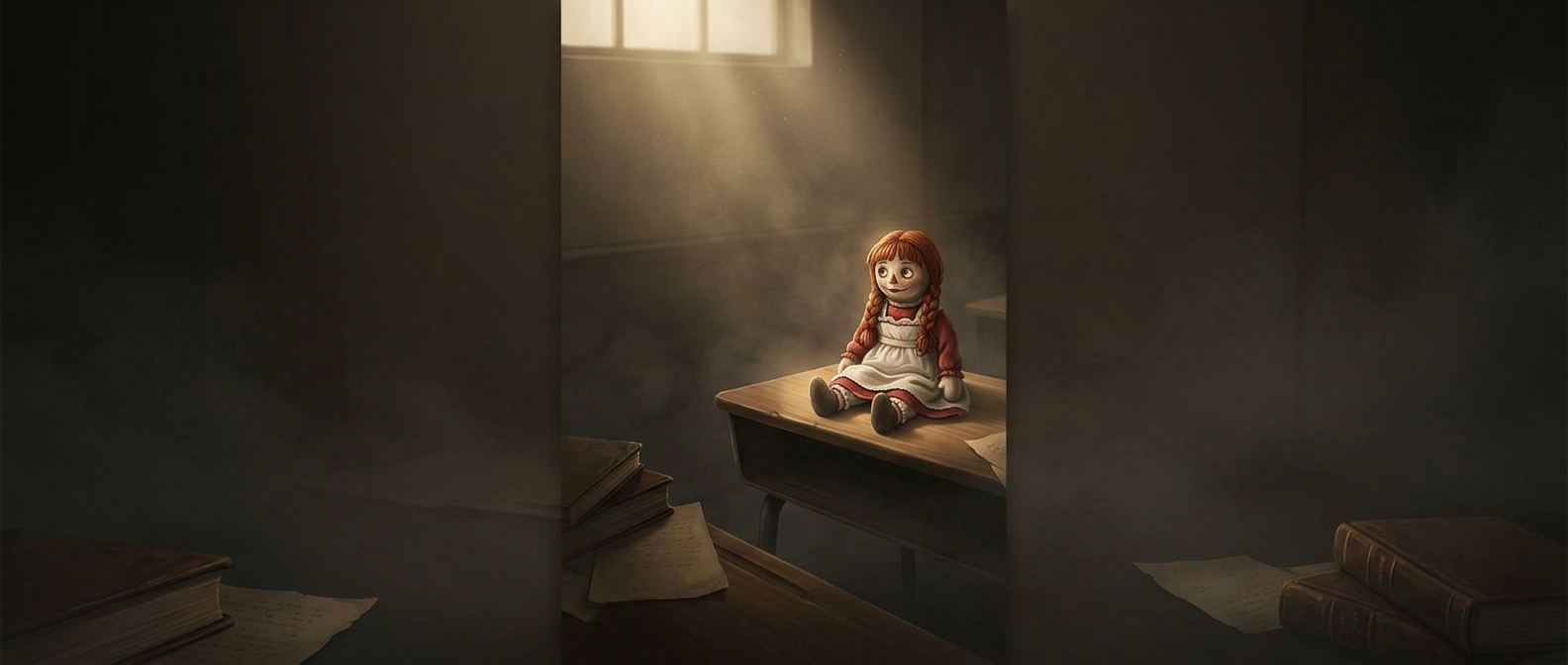
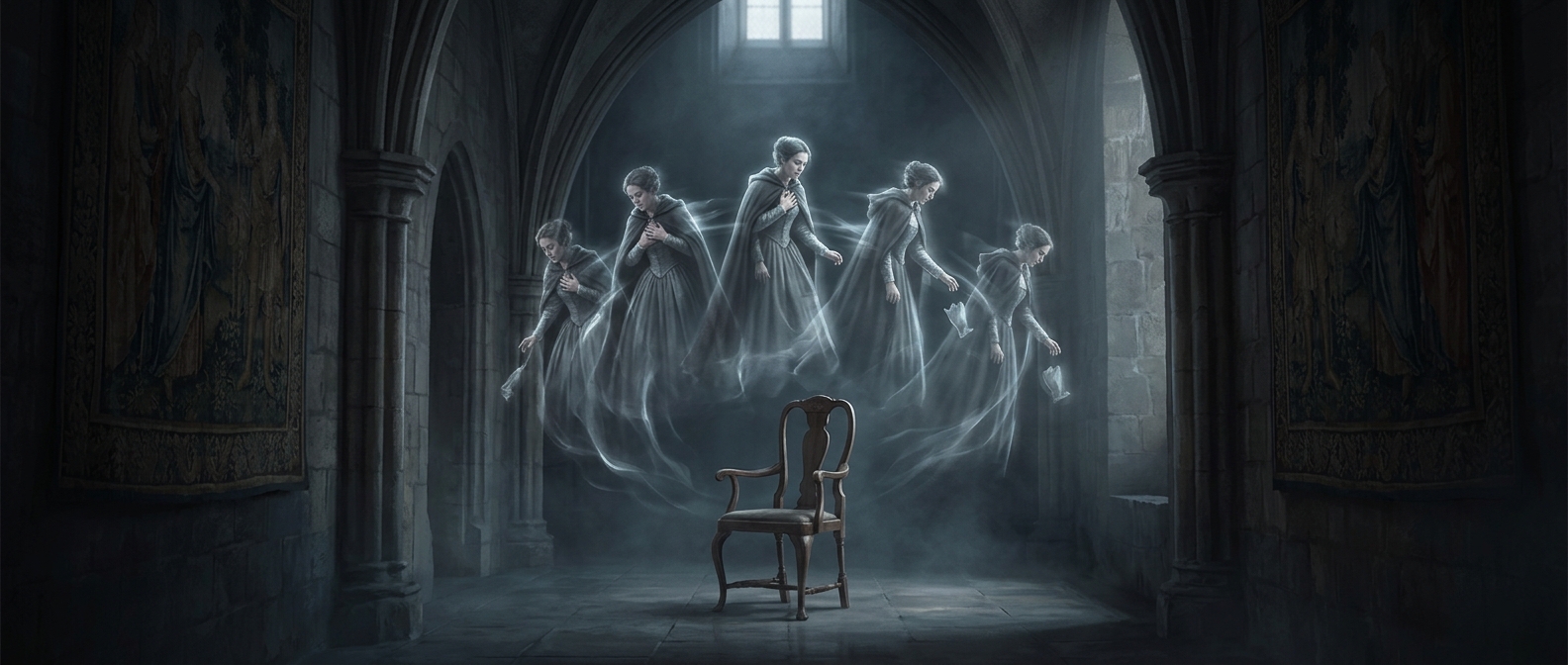
A whisper suggests someone is nearby, but its low volume makes the source hard to place. In a corridor, cellar, or empty room, sound can bounce off walls and arrive from several directions. A faint murmur may seem to drift through the space rather than come from one identifiable spot. That uncertainty gives the scene its tension: the listener senses a presence without being able to locate or understand it.
The Message That Never Arrives
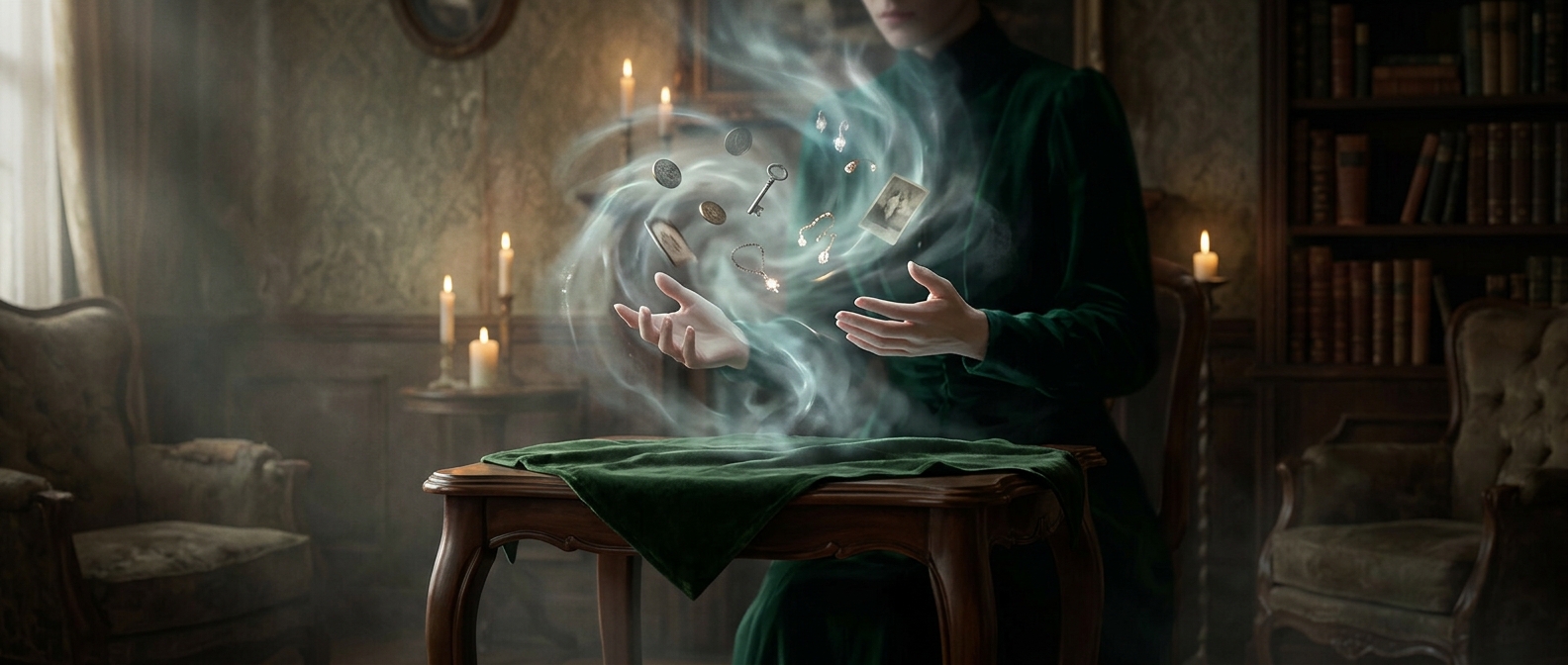
In ghost stories, whispers often hint that the dead have something to communicate. Yet the words remain indistinct. That gap invites the living to supply their own meaning—an apology, a warning, or a plea—without the story having to settle on one answer. The whisper can feel personal precisely because it withholds its message.
This makes the sound different from a clear voice. A spoken sentence gives characters information they can act on; a whisper leaves them listening, guessing, and fearing what they might hear next. Its narrative power lies less in what it says than in the possibility that someone is trying to say something at all.
A Presence Without Proof
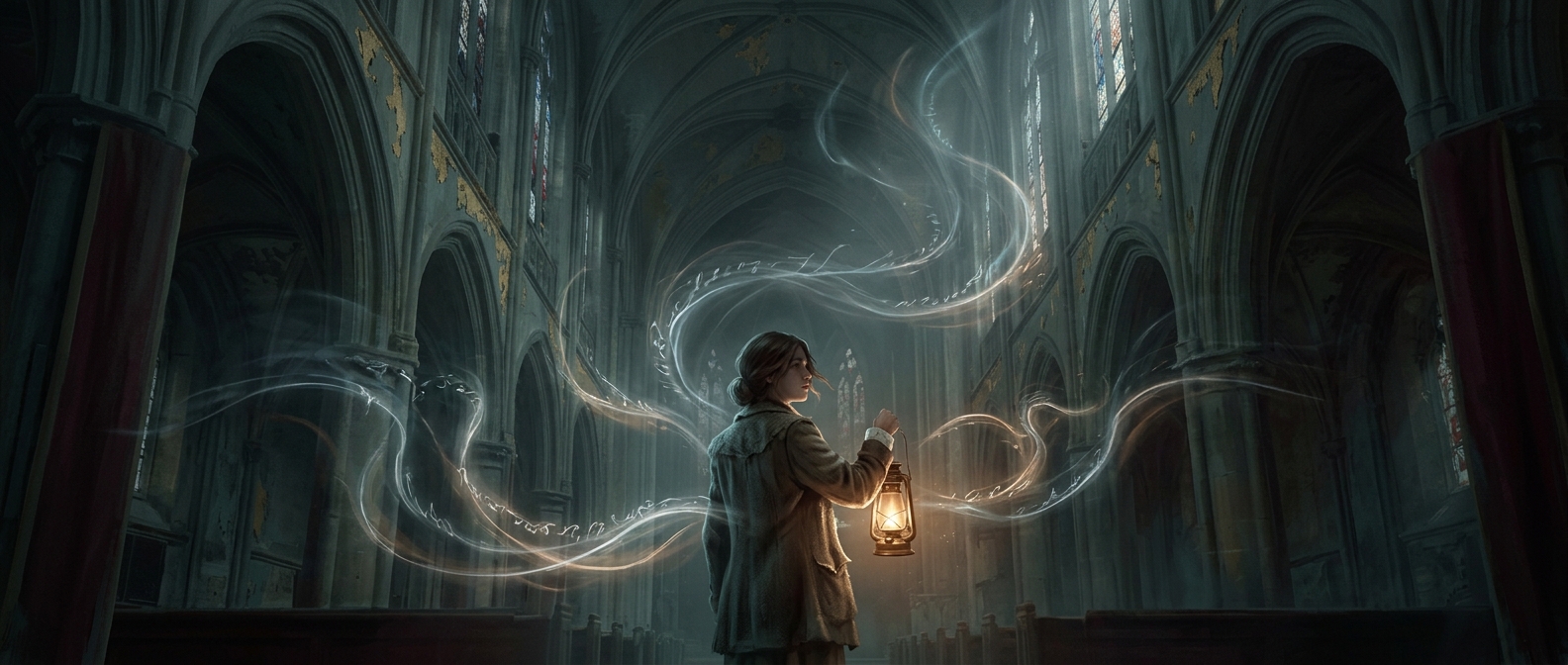
The motif also suits haunted places because it turns ordinary space into a source of uncertainty. A room that seemed empty now feels occupied, but there is no visible speaker to confirm the impression. In paranormal lore, that unresolved moment is often the point: the listener is left with a presence they cannot identify and a message they cannot use.