How a row of people became a moving loop
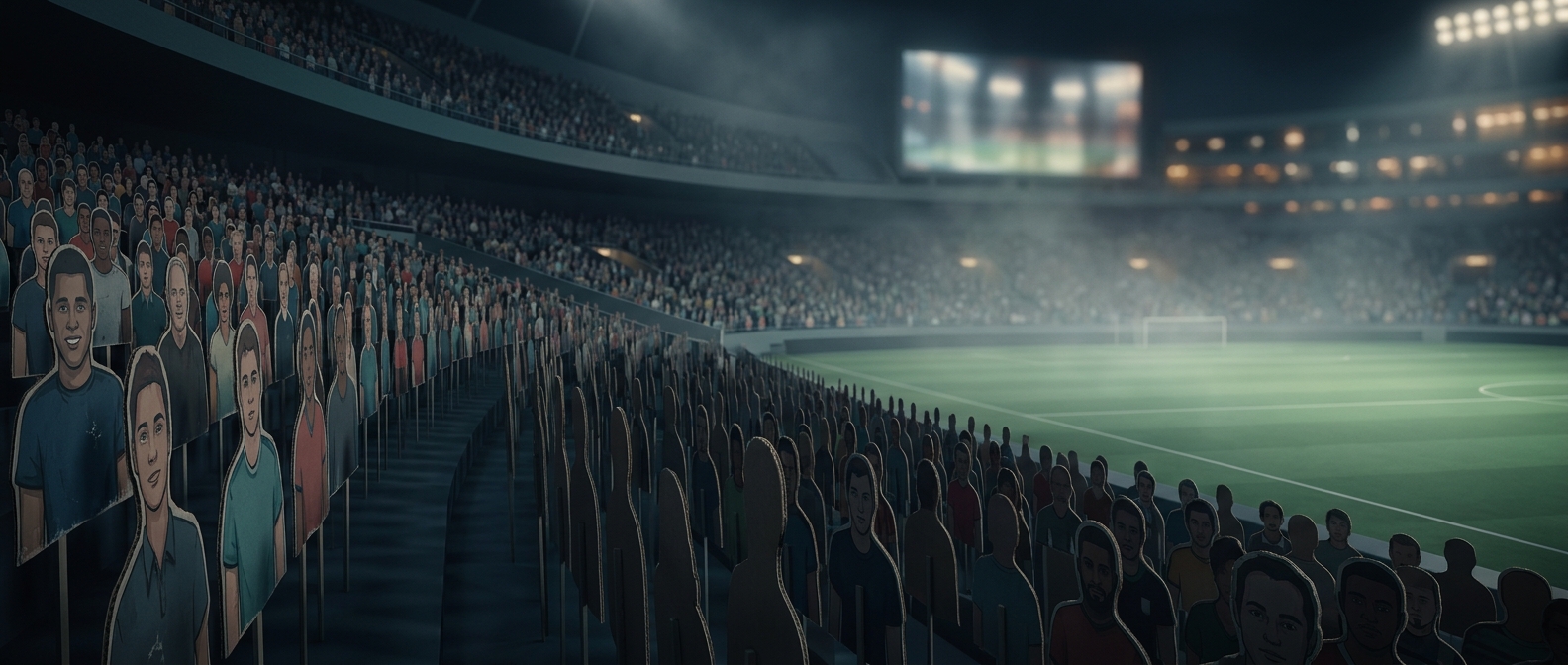
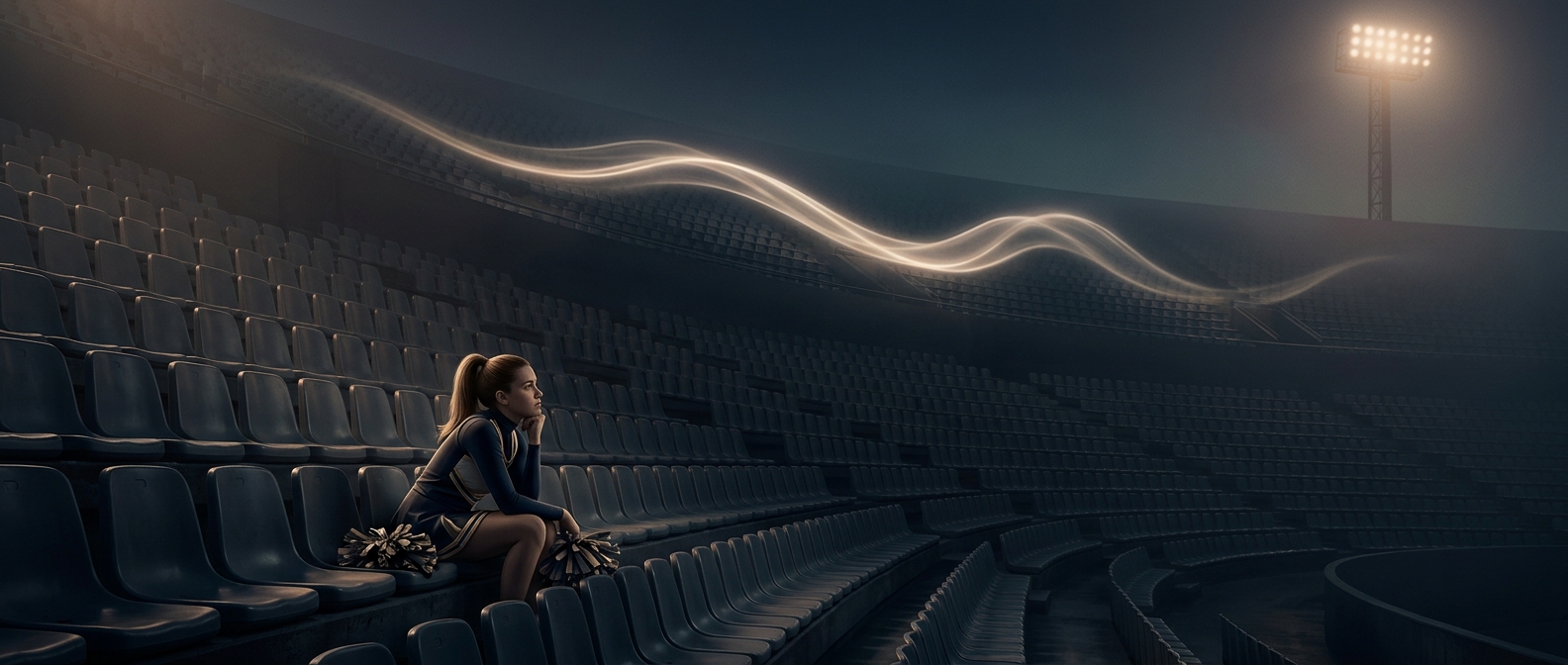
A stadium wave works because spectators are close enough to see one another but spread across a curved seating bowl. When one section stands and raises its arms, the neighboring section can see the motion approaching. Its spectators rise in turn, then sit as the next section takes over. Repeated around the stands, that simple sequence looks like a single crest traveling through the crowd.
The promoter’s prompt supplied the first cue: get one section moving, then the next. But the crowd did not need to follow a complicated routine. Each group only had to react to the section beside it, making the movement easy to copy and giving it a clear direction.
Why the motion can outlast the original cue
The wave is a kind of crowd choreography built from local imitation. Spectators do not have to know what people elsewhere in the stadium are doing; they can respond to the visible rise and fall nearby. Once the pattern catches on, it can continue around the seating bowl as each section becomes both audience and trigger for the next.
That helps explain the “accident” in the story: an attempt to wake up a quiet stadium produced more than a brief burst of cheering. The sections’ movement formed a repeatable pattern that spectators could recognize and pass along. The lasting trick is that the crowd itself becomes the performer—and every seat can help send the wave onward.