Why oxygen can’t reach the tissues
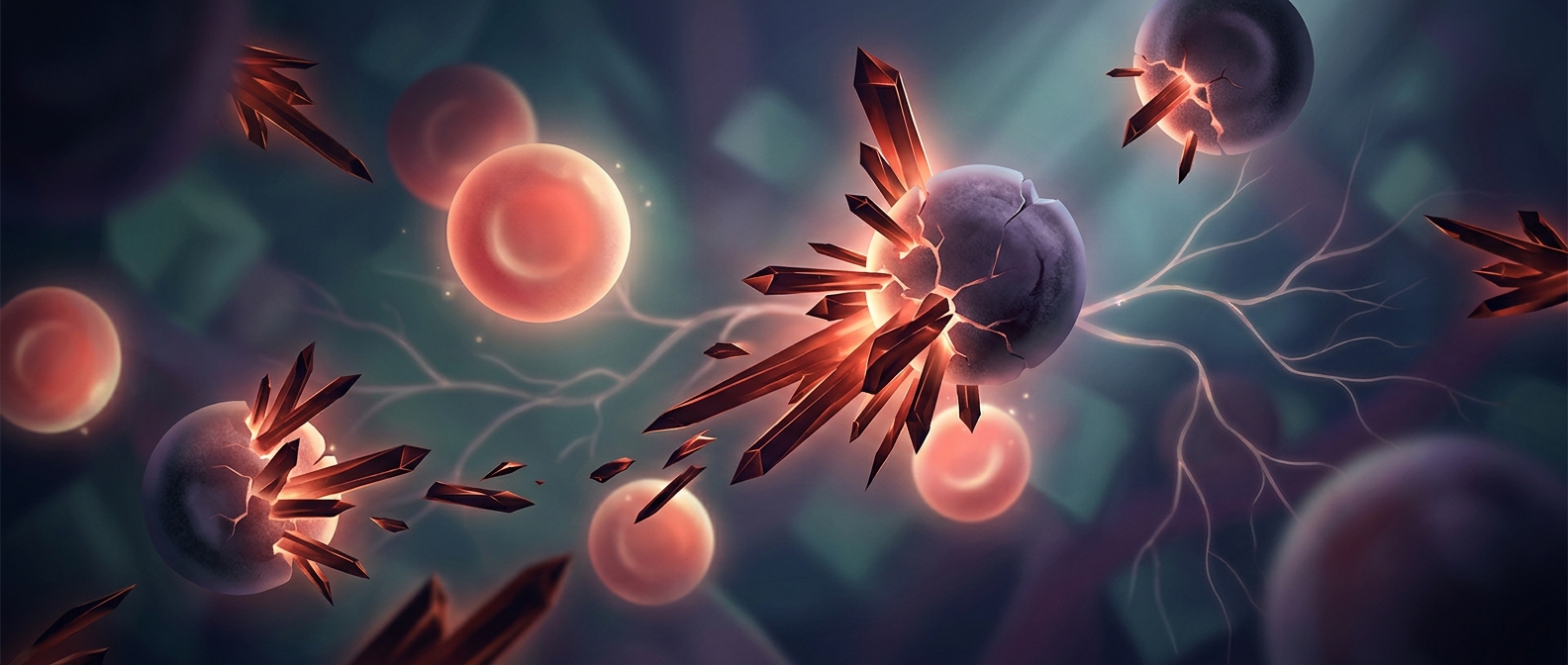
Carbon monoxide does more than occupy hemoglobin’s oxygen-carrying sites. Once attached, it also makes the remaining oxygen cling more tightly to hemoglobin. That means blood may carry less oxygen—and may be less able to release what it still carries as it passes through the body’s tissues.
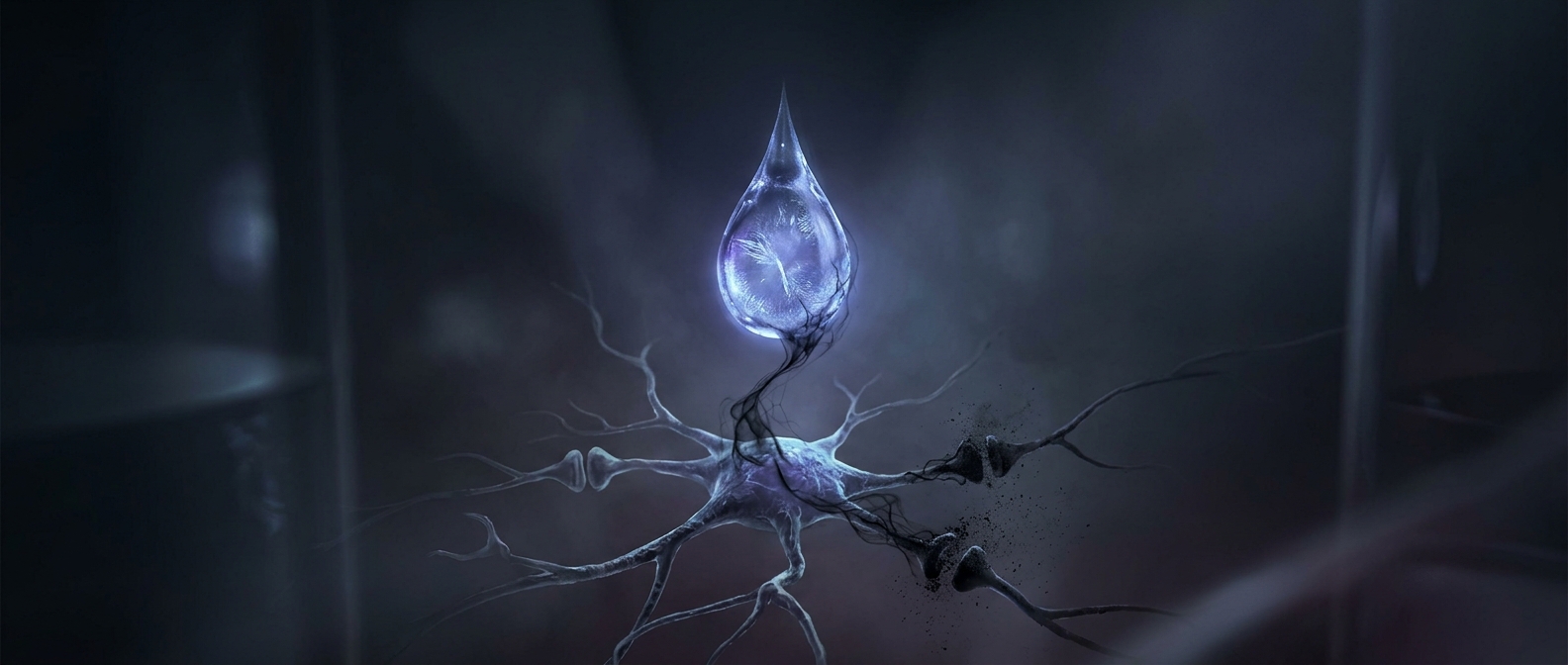
The result is hypoxia: too little oxygen reaching cells. The brain and heart are especially vulnerable because they need a steady supply to keep working. As oxygen-starved cells struggle to make energy, a person may develop headache, dizziness, confusion, weakness, or nausea. Those symptoms can resemble flu or exhaustion, which makes the danger easy to miss.
A threat that can build unnoticed
Carbon monoxide is produced when fuels such as gas, wood, or gasoline burn incompletely. Because the gas has no color or smell, a person cannot reliably detect it by sensing the air. In an enclosed space, continued exposure lets more carbon monoxide attach to hemoglobin while the body’s oxygen supply falls.
The binding is not permanent: after exposure ends, carbon monoxide gradually leaves hemoglobin and can be breathed out. But the body cannot simply compensate while the gas is still being inhaled; the occupied binding sites keep oxygen transport impaired. That is why a functioning carbon-monoxide alarm matters: it can reveal a buildup before human senses provide a warning.