Woody began as a ventriloquist’s dummy
The earliest version of Woody was not a cowboy doll but a ventriloquist dummy—the kind of puppet whose hinged jaw moves as its owner speaks. That choice made him feel very different from the familiar toy: a dummy’s fixed grin, painted features, and puppet-like movement can seem eerie, especially when it is animated and talking on its own.
Why the idea changed
The dummy concept gave the filmmakers an obvious way to make Woody speak: pull a string, and a phrase would come out. But it also tied his appearance to a type of puppet often associated with unsettling performances. A cowboy doll offered a clearer identity and a warmer, more approachable silhouette, while still leaving room for the pull-string voice mechanism.
Woody’s personality changed along with the design. Early versions made him a harsher, more self-centered character; the finished film gives him flaws, but also the loyalty and vulnerability that make his conflict with Buzz matter. The shift was not simply from “creepy” to “cute”: it helped turn Woody from a potentially unnerving puppet into a toy whose fear of being replaced feels recognizable.
The trace left in the finished toy
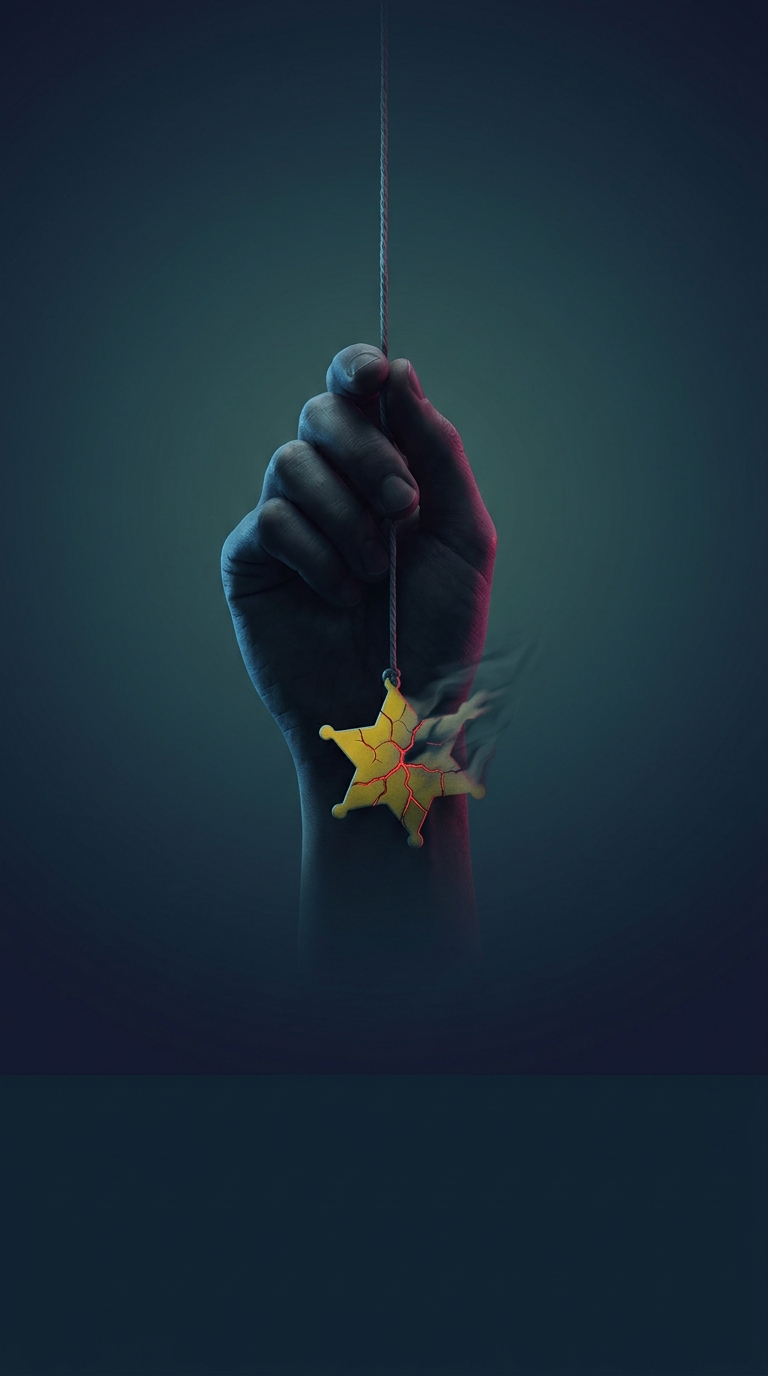
The final Woody still speaks when his string is pulled, a remnant of the original dummy-like idea. What changed was the meaning of that feature: instead of making him seem like a puppet controlled by someone else, it became one of the familiar functions of an old-fashioned toy cowboy.