How the network learns who wants the feed
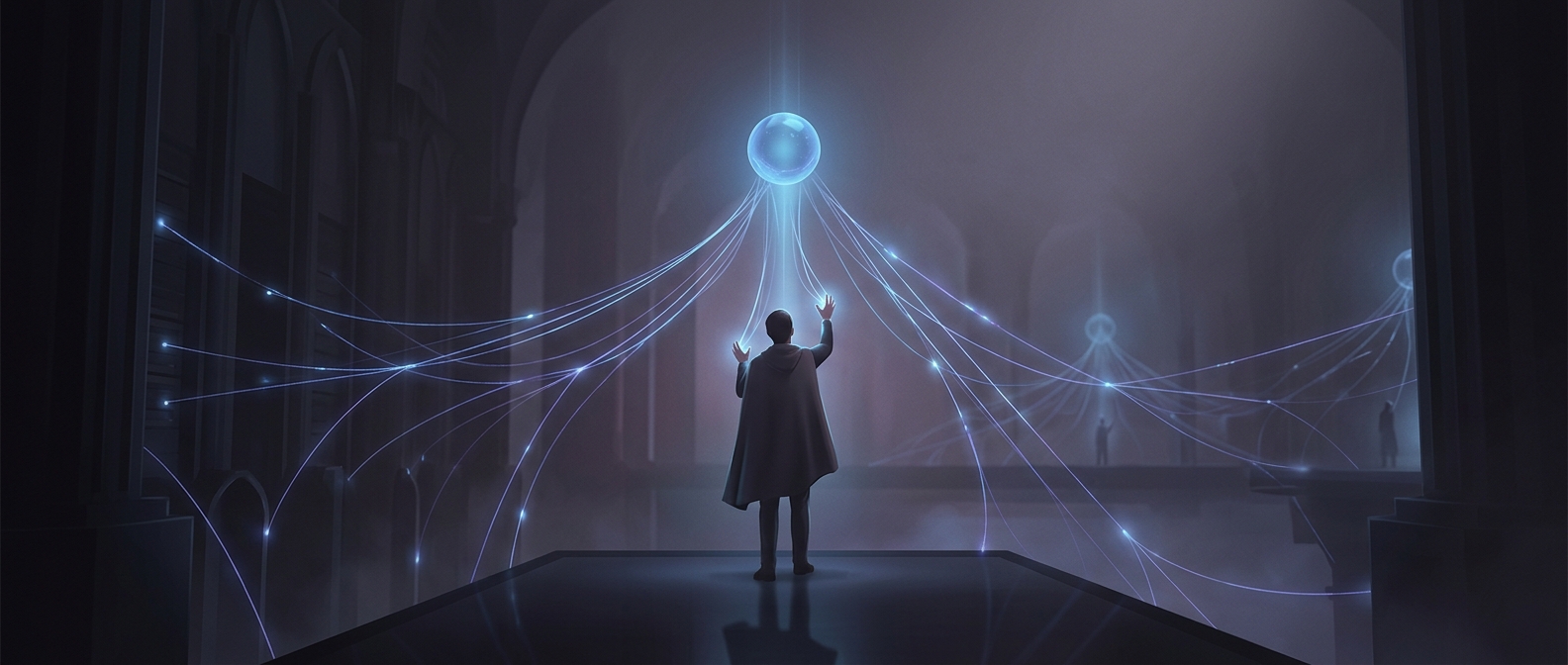
A multicast video is addressed to a group, rather than to one viewer at a time. When a device or its local network asks to join that group, nearby network equipment records the request. Routers use those records to work out which directions lead to interested viewers—and avoid sending the feed down branches with no one watching.
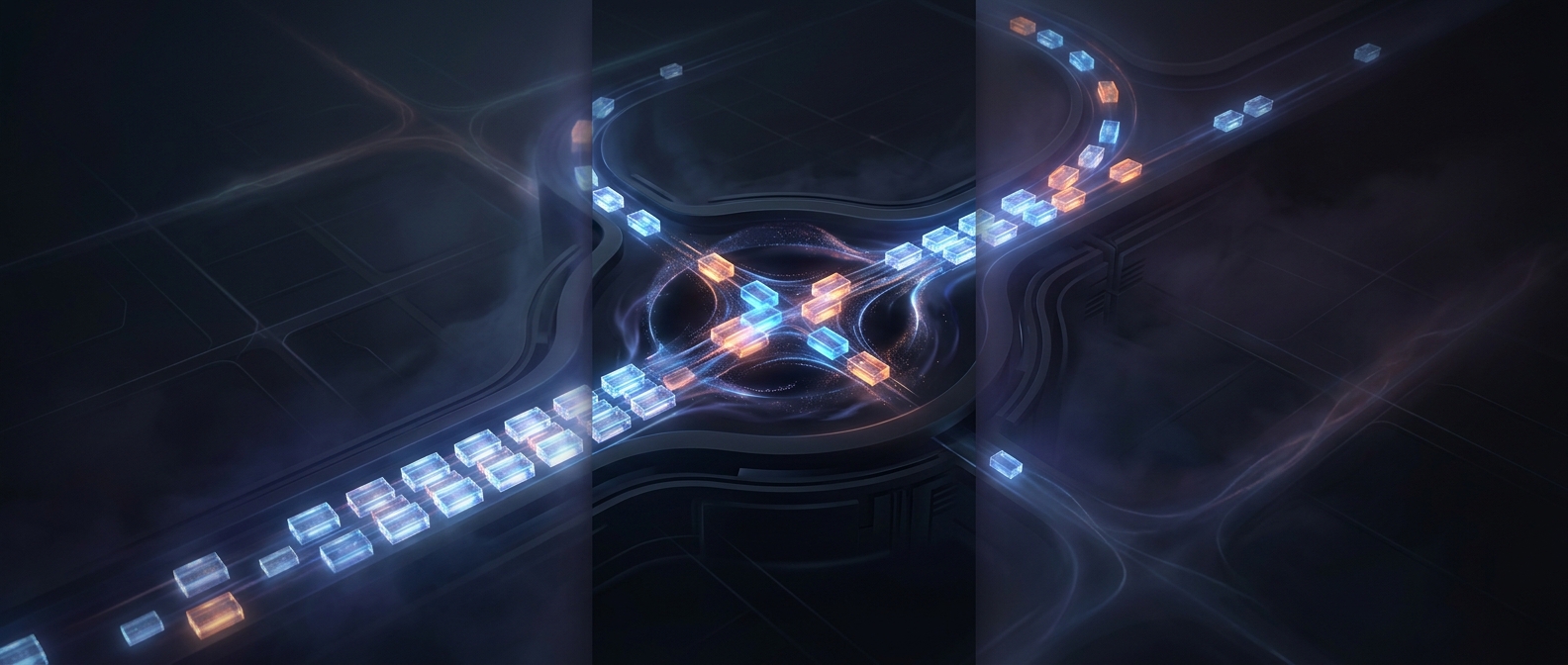
As packets travel outward, a router copies them only when the delivery path splits toward multiple subscribed networks. This is called network-layer replication: the shared stream stays shared across common stretches of the route, while separate copies are made only where they are needed.
The tradeoff behind the savings
Multicast is especially useful when many people watch the same live channel at once. A broadcaster can inject one feed into a distribution network, and each shared link carries it once, even if many viewers lie beyond that link. With ordinary one-to-one delivery, the same link may have to carry a separate copy for each viewer.
That efficiency depends on the network supporting multicast and keeping track of group membership. It also fits a common feed better than a personalized one: viewers can still choose when to join or leave, but a stream tailored separately for each person—such as one with a unique camera angle or delivery rate—may require distinct traffic. The key payoff is therefore not that every viewer receives one universal copy everywhere, but that shared parts of the route need not carry thousands of identical copies.