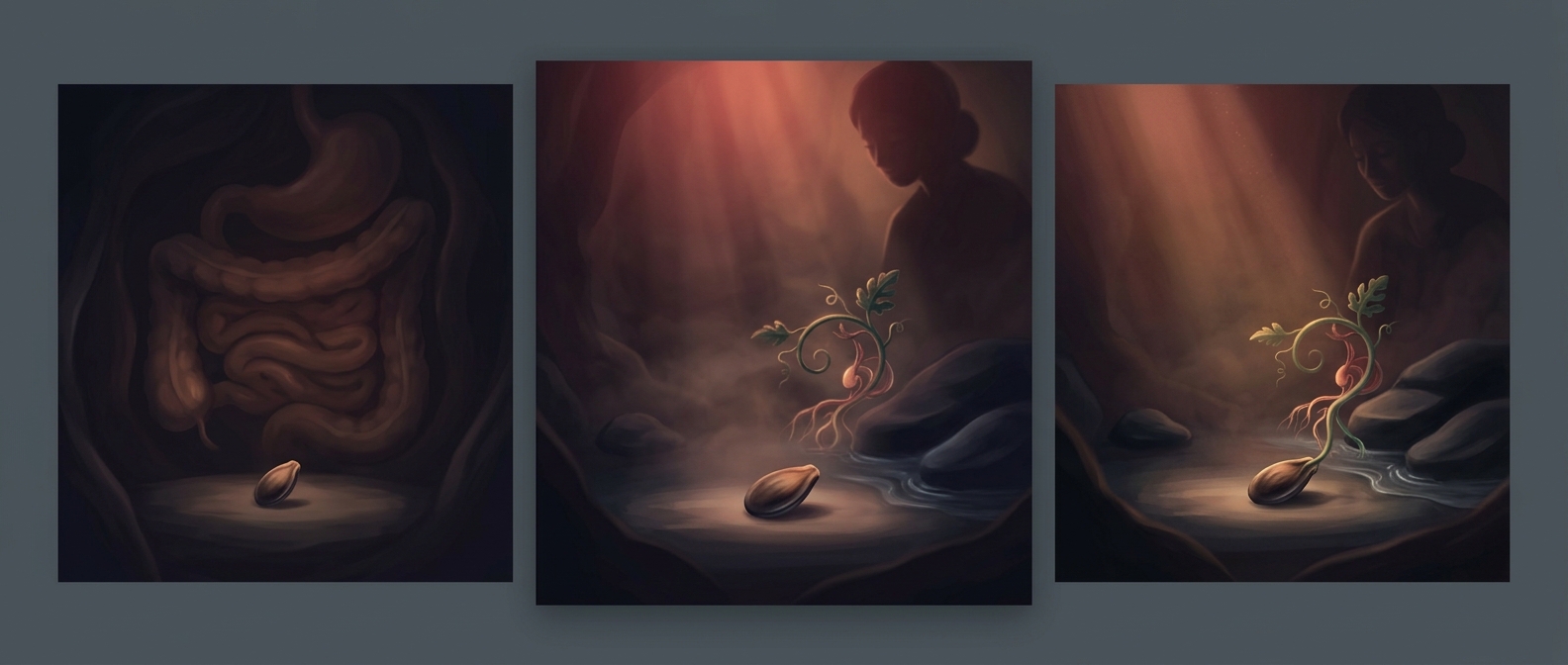
How less microbial exposure may affect a child’s immune system
The habit often blamed is keeping children and their surroundings exceptionally clean—limiting contact with dirt and everyday microbes. The idea behind the blame is known as the hygiene hypothesis: early encounters with a variety of microbes may help an immature immune system learn which things are harmless and which require a defense.
That learning happens as microbes interact with the body, especially in the gut, airways, and on the skin. A diverse community of microbes can help shape immune responses and support tolerance—the ability to encounter substances such as pollen or food proteins without treating them as threats. If that training is altered, the theory goes, the immune system may be more prone to allergic reactions.
Cleanliness is not the same as a lack of exposure
The hypothesis does not mean that washing hands, treating infections, or maintaining clean homes causes allergies. Nor does it mean children should be deliberately exposed to dangerous germs. The proposed issue is a broader shift in early-life environments: less contact with some ordinary microbes, alongside changes in diet, antibiotic use, family size, time outdoors, and other features of modern life.
Allergies have also risen for reasons that cannot be reduced to one parenting choice. Genes, air pollution, housing, and other environmental influences may contribute, and researchers continue to study how these factors interact. The hygiene hypothesis is best understood as an explanation for one possible part of that change—not a proven verdict on parents’ cleaning habits.
The practical implication
The useful distinction is between preventing infection and trying to eliminate every trace of ordinary microbial life. Good hygiene protects children from harmful pathogens; the hypothesis asks whether a childhood with fewer routine microbial encounters may also change how the immune system develops. It is the balance of exposures, not dirtiness itself, that makes the idea compelling.