Real screen activity made the office feel lived in
A computer monitor can give away a fake workplace. If an actor merely pretends to type—or stares at a blank screen—the gestures can look stiff, especially in a show filmed in a documentary style, where the camera may linger on people who are not part of the main conversation.
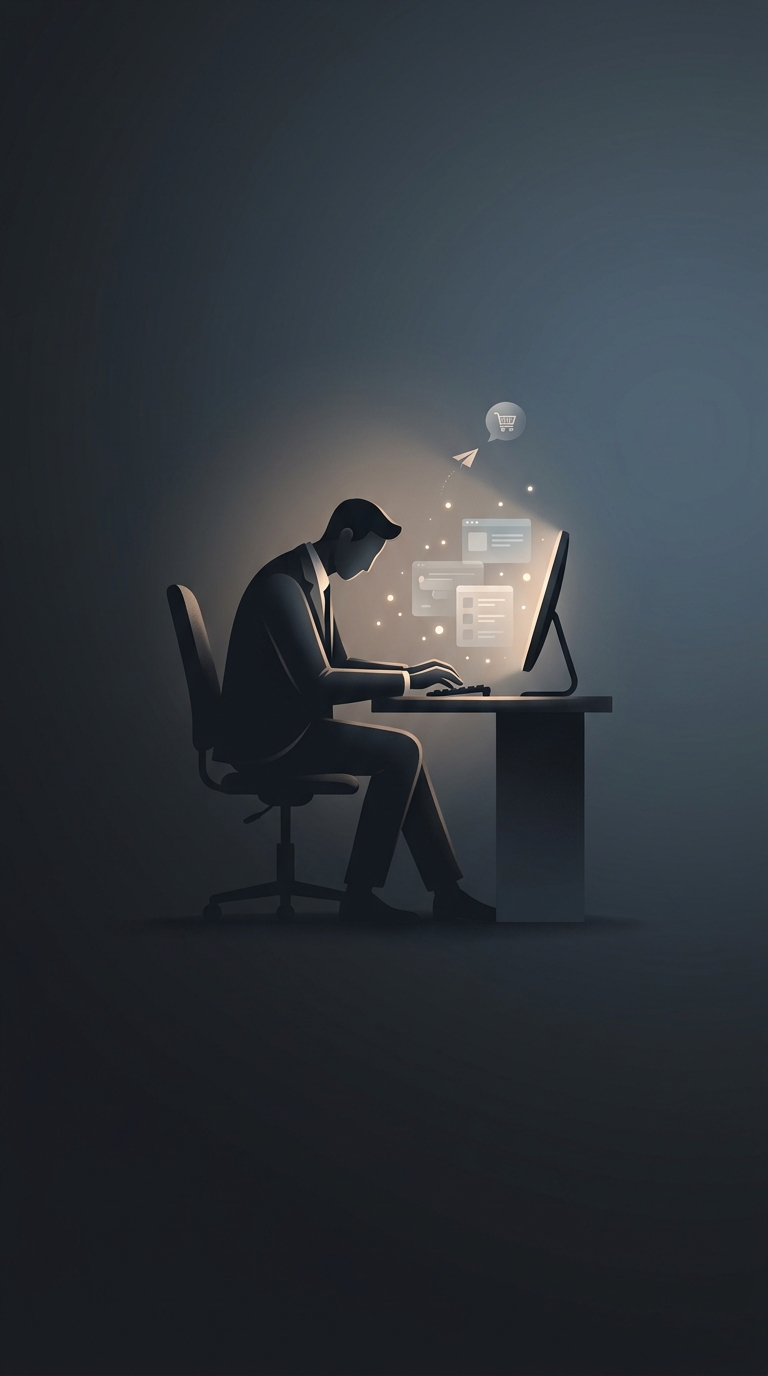
On The Office, working computers gave cast members something ordinary to do. Browsing, replying to personal email, or shopping online supplied natural pauses, glances, and small movements that made the bullpen feel like a place where people were actually spending the workday. The difference was not just what appeared on the monitors; it was that the performers could react to something real rather than mime an invisible task.
Everyday behavior kept the background from feeling staged
That detail suited the show’s mock-documentary approach. In a conventional sitcom, background performers often function mainly as visual scenery. Here, the camera’s attention could shift unexpectedly, so even a person at a desk needed to look plausibly occupied. Real internet access provided an easy source of unscripted, low-key activity without requiring every background moment to become a joke or a plot point.
It also created a useful contrast: the office could be full of ordinary, private distractions while the main characters carried on with their absurd workplace dramas. A cast member quietly checking email behind a scene did not need to be funny on its own. It helped make the setting convincing enough that the comedy could take center stage.